What does Hebrews 9:6 mean?
"Now when these things were thus ordained, the priests went always into the first tabernacle, accomplishing the service of God." - Hebrews 9:6
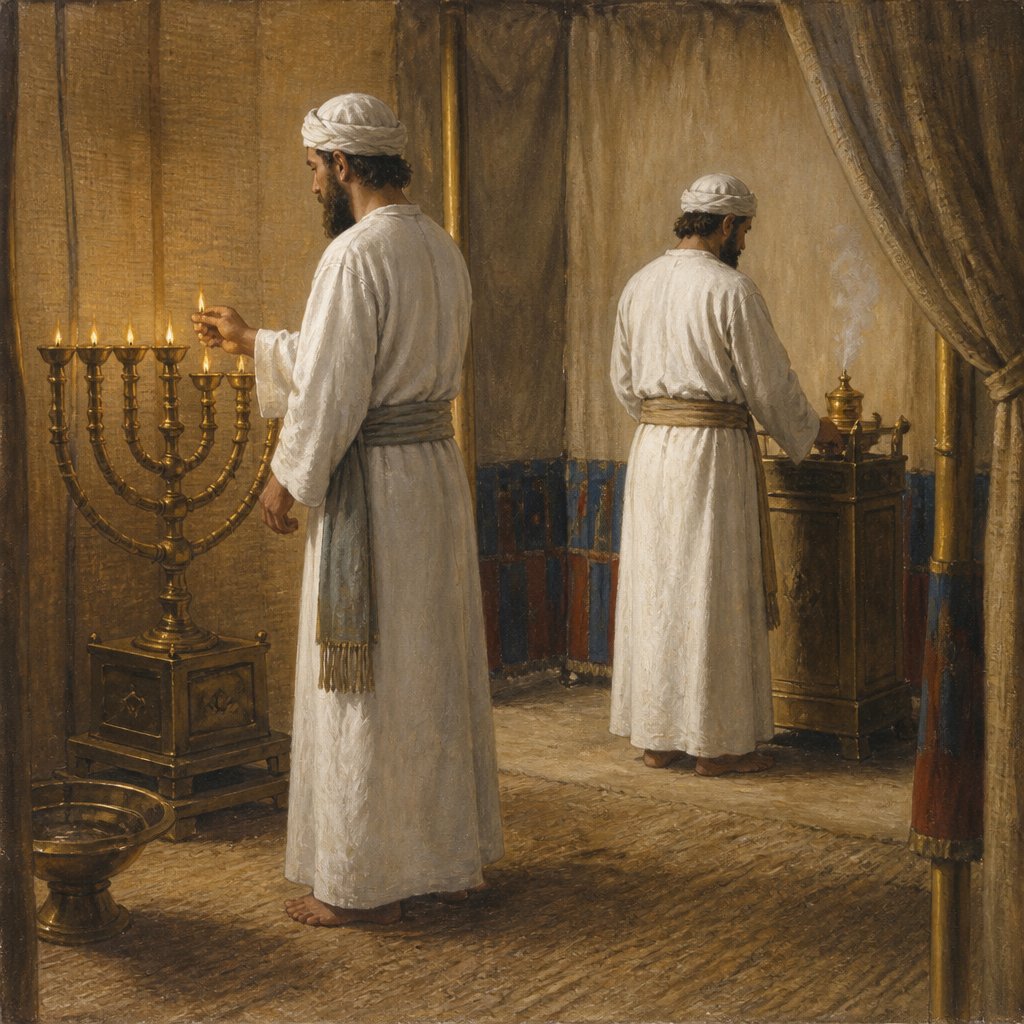
Hebrews 9:6 in the King James Version of the Bible reads: "Now when these things were thus ordained, the priests went always into the first tabernacle, accomplishing the service of God." This verse is part of a larger passage that discusses the Old Testament tabernacle and its significance in relation to the new covenant established by Jesus Christ.
The book of Hebrews is a letter written to a group of Jewish Christians who were facing persecution and temptation to return to Judaism. The author of Hebrews seeks to demonstrate the superiority of Jesus Christ and the new covenant over the old covenant and the rituals of the Jewish faith. This verse is situated within a larger discussion about the limitations of the old covenant and the temporary nature of the earthly tabernacle.
The tabernacle was a portable sanctuary that the Israelites used during their wilderness wanderings. It consisted of two main areas: the Holy Place and the Most Holy Place. The "first tabernacle" mentioned in Hebrews 9:6 refers to the Holy Place, where the priests would regularly enter to carry out their duties of offering sacrifices and incense to God. These rituals were essential for maintaining the ceremonial purity of the people and for seeking forgiveness of sins.
In this verse, the author of Hebrews is highlighting the regularity and predictability of the priests' service in the tabernacle. The use of the word "always" emphasizes the repetitive nature of the ritual activities and the limited access to the presence of God. The priests were required to continually offer sacrifices and perform rituals in order to maintain the temporary forgiveness of sins for the people.
However, the author of Hebrews goes on to explain that this system was ultimately insufficient and imperfect. In verses 9:7-10, he contrasts the limitations of the old covenant with the perfect and eternal nature of the new covenant established by Christ. The temporary nature of the tabernacle and its rituals symbolize the temporary nature of the old covenant and its inability to provide lasting forgiveness and reconciliation with God.
The theme of the old versus the new is a central theme in the book of Hebrews, and it encompasses the concepts of law versus grace, ritual versus faith, and the earthly versus the heavenly. The old covenant relied on external rituals and the work of human priests to achieve temporary forgiveness, while the new covenant offers eternal forgiveness and reconciliation through the once-for-all sacrifice of Jesus Christ on the cross.
The context of Hebrews 9:6 challenges the readers to consider the implications of the old covenant system and the superiority of the new covenant in Christ. The repetitive and temporary nature of the priests' service in the tabernacle serves as a contrast to the eternal and perfect sacrifice of Jesus Christ, who mediates the new covenant and grants believers access to the presence of God.
In summary, Hebrews 9:6 and the surrounding passage emphasize the limitations of the old covenant system and the insufficiency of the tabernacle rituals to provide lasting forgiveness and reconciliation with God. This verse points to the temporary nature of the old covenant and prepares the readers to consider the superiority of the new covenant established by Jesus Christ. The themes of law versus grace, ritual versus faith, and the earthly versus the heavenly are underscored in this passage, inviting readers to embrace the eternal and perfect sacrifice of Jesus Christ as the ultimate means of access to God.
Have questions about Hebrews 9:6?
Dive deeper into this scripture with Bible Chat — an AI-powered tool for exploring God's Word through conversation. Ask questions, get context, and grow in your understanding of the Bible.
Get Our Apps


Hebrews 9:6 Artwork

Hebrews 9:6 - "Now when these things were thus ordained, the priests went always into the first tabernacle, accomplishing the service of God."
"Now when these things were thus ordained, the priests went always into the first tabernacle, accomplishing the service of God." - Hebrews 9:6

Hebrews 6:9 - "But, beloved, we are persuaded better things of you, and things that accompany salvation, though we thus speak."

Hebrews 6:1

Hebrews 6:1
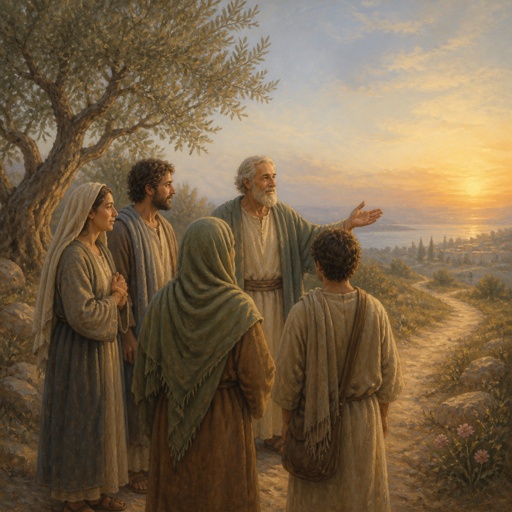
"But, beloved, we are persuaded better things of you, and things that accompany salvation, though we thus speak." - Hebrews 6:9

Hebrews 4:9 - "There remaineth therefore a rest to the people of God."

Hebrews 6:3 - "And this will we do, if God permit."

Hebrews 9:16 - "For where a testament is, there must also of necessity be the death of the testator."

Hebrews 9:18 - "Whereupon neither the first testament was dedicated without blood."

Hebrews 9:27 - "And as it is appointed unto men once to die, but after this the judgment:"

Hebrews 6:2 - "Of the doctrine of baptisms, and of laying on of hands, and of resurrection of the dead, and of eternal judgment."

Hebrews 6:5 - "And have tasted the good word of God, and the powers of the world to come,"

Hebrews 10:6 - "In burnt offerings and sacrifices for sin thou hast had no pleasure."

Hebrews 9:3 - "And after the second veil, the tabernacle which is called the Holiest of all;"

Hebrews 9:9 - "Which was a figure for the time then present, in which were offered both gifts and sacrifices, that could not make him that did the service perfect, as pertaining to the conscience;"

Hebrews 9:13 - "For if the blood of bulls and of goats, and the ashes of an heifer sprinkling the unclean, sanctifieth to the purifying of the flesh:"

Hebrews 9:20 - "Saying, This is the blood of the testament which God hath enjoined unto you."

Hebrews 9:21 - "Moreover he sprinkled with blood both the tabernacle, and all the vessels of the ministry."

"And this will we do, if God permit." - Hebrews 6:3

Hebrews 9:17 - "For a testament is of force after men are dead: otherwise it is of no strength at all while the testator liveth."

Hebrews 6:15 - "And so, after he had patiently endured, he obtained the promise."

Hebrews 9:2 - "For there was a tabernacle made; the first, wherein was the candlestick, and the table, and the shewbread; which is called the sanctuary."

Hebrews 9:1 - "Then verily the first covenant had also ordinances of divine service, and a worldly sanctuary."

Hebrews 9:22 - "And almost all things are by the law purged with blood; and without shedding of blood is no remission."

Hebrews 6:6 - "If they shall fall away, to renew them again unto repentance; seeing they crucify to themselves the Son of God afresh, and put him to an open shame."

Hebrews 3:9 - "When your fathers tempted me, proved me, and saw my works forty years."

Hebrews 12:6 - "For whom the Lord loveth he chasteneth, and scourgeth every son whom he receiveth."

Hebrews 6:8 - "But that which beareth thorns and briers is rejected, and is nigh unto cursing; whose end is to be burned."

Hebrews 6:12 - "That ye be not slothful, but followers of them who through faith and patience inherit the promises."