What does Hebrews 9:27 mean?
"And as it is appointed unto men once to die, but after this the judgment:" - Hebrews 9:27
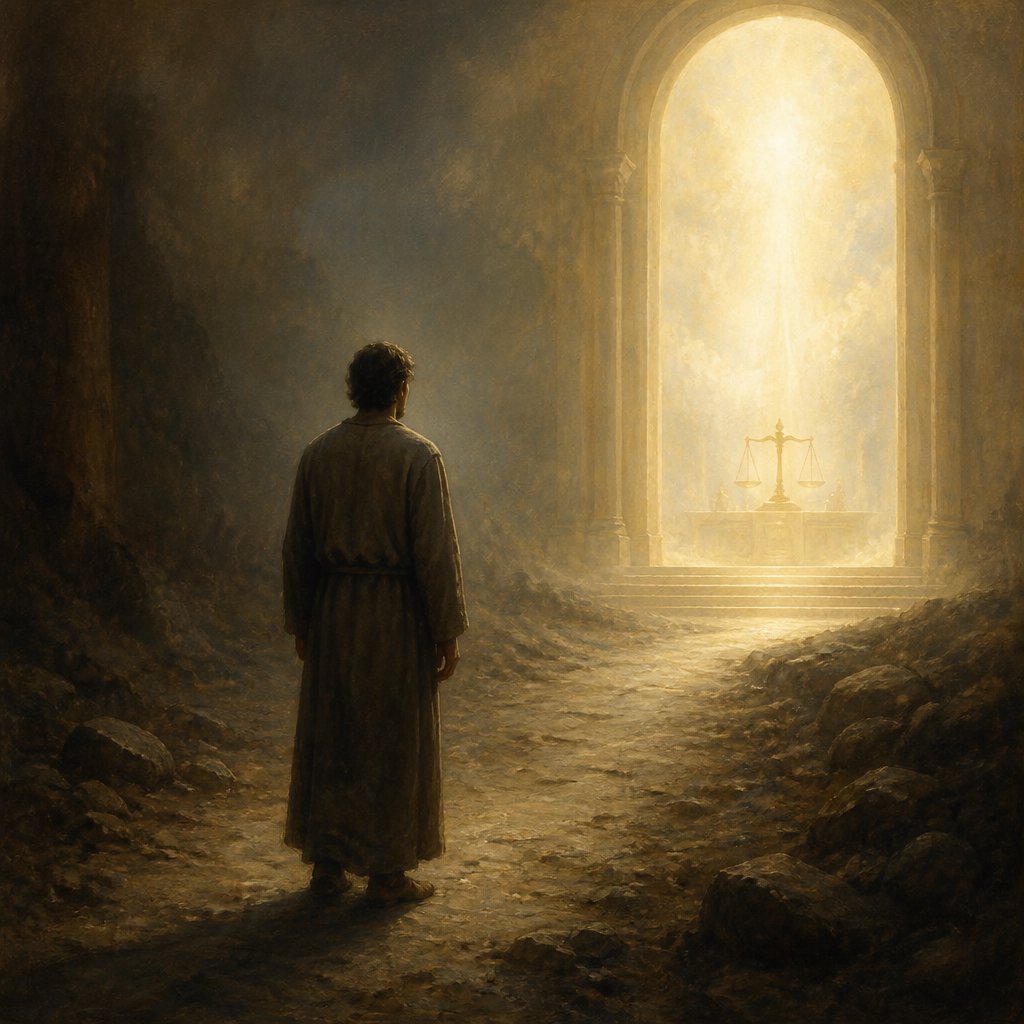
Hebrews 9:27 in the King James Version of the Bible states, "And as it is appointed unto men once to die, but after this the judgment."
This verse speaks to the inevitability of death and the subsequent judgment that awaits each person. It is a reminder of the universal experience of mortality and the accountability that is inherent in the human condition.
This verse is found in the book of Hebrews, which was written by an anonymous author to Jewish Christians who were facing persecution and were considering returning to their old Jewish religious practices. The book of Hebrews seeks to affirm the superiority of Jesus Christ and the new covenant that was established through his sacrifice. The author emphasizes the unique and unrepeatable nature of Christ's atoning work, contrasting it with the temporary and symbolic nature of the sacrificial system of the Old Testament.
In the context of Hebrews 9:27, the author is discussing the high priestly ministry of Jesus and the ultimate sacrifice that he offered for the forgiveness of sins. The verse serves as a solemn reminder that death is a reality that all people must face, regardless of their religious beliefs or practices. It highlights the fundamental truth that every person will one day stand before God to give an account of their lives.
The theme of mortality and judgment is a significant and weighty topic within the Christian faith. The verse speaks to the universal experience of death and the reality of the afterlife. It underscores the certainty of divine judgment and the accountability that each person will face for their actions and choices. This verse serves as a sobering reminder of the seriousness of human existence and the eternal consequences of one's life.
The concept of judgment in Hebrews 9:27 is closely tied to the broader theological themes of justice, righteousness, and divine retribution. The verse points to the belief in a final reckoning where individuals will be held accountable for their thoughts, words, and deeds. It reflects the Christian understanding of God as a just and righteous judge who will ultimately render decisions based on the moral actions of each person.
The phrase "appointed unto men once to die" conveys the certainty and inevitability of death as a universal experience. It recognizes the limits of human life and the finite nature of existence. This acknowledgment of mortality serves as a poignant reminder of the brevity and fragility of life, prompting reflection on the value and purpose of human existence.
Additionally, the verse suggests that death is not the end of human consciousness or existence. The reference to "the judgment" indicates the belief in an afterlife where individuals will be held accountable for their actions. This concept of divine judgment underscores the eternal significance of human choices and the enduring consequences of one's moral decisions.
In conclusion, Hebrews 9:27 is a profound and thought-provoking verse that addresses the fundamental realities of human existence, mortality, and divine judgment. It serves as a sobering reminder of the inevitability of death and the accountability that awaits each person. The verse emphasizes the theological themes of justice, righteousness, and the eternal consequences of one's choices. It prompts contemplation on the value and purpose of life, as well as the ultimate significance of personal morality.
Have questions about Hebrews 9:27?
Dive deeper into this scripture with Bible Chat — an AI-powered tool for exploring God's Word through conversation. Ask questions, get context, and grow in your understanding of the Bible.
Get Our Apps


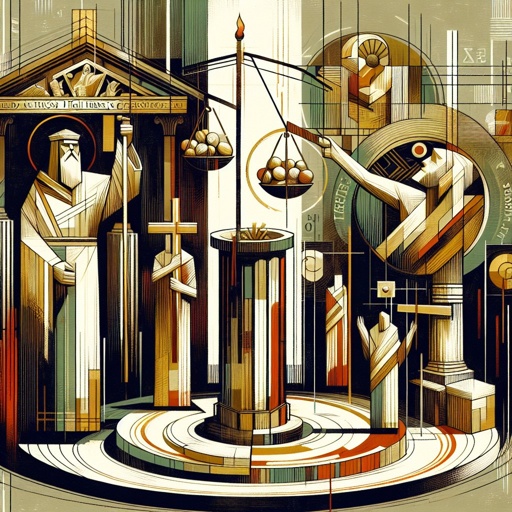
Hebrews 9:27 Artwork

Hebrews 9:27 - "And as it is appointed unto men once to die, but after this the judgment:"
"And as it is appointed unto men once to die, but after this the judgment:" - Hebrews 9:27

Hebrews 10:27 - "But a certain fearful looking for of judgment and fiery indignation, which shall devour the adversaries."

Exodus 9:27 - "¶ And Pharaoh sent, and called for Moses and Aaron, and said unto them, I have sinned this time: the LORD is righteous, and I and my people are wicked."

Hebrews 4:9 - "There remaineth therefore a rest to the people of God."

Hebrews 11:27 - "By faith he forsook Egypt, not fearing the wrath of the king: for he endured, as seeing him who is invisible."

Hebrews 9:16 - "For where a testament is, there must also of necessity be the death of the testator."

Hebrews 9:18 - "Whereupon neither the first testament was dedicated without blood."

Hebrews 9:3 - "And after the second veil, the tabernacle which is called the Holiest of all;"

Hebrews 9:9 - "Which was a figure for the time then present, in which were offered both gifts and sacrifices, that could not make him that did the service perfect, as pertaining to the conscience;"

Hebrews 9:13 - "For if the blood of bulls and of goats, and the ashes of an heifer sprinkling the unclean, sanctifieth to the purifying of the flesh:"

Hebrews 9:20 - "Saying, This is the blood of the testament which God hath enjoined unto you."

Hebrews 9:21 - "Moreover he sprinkled with blood both the tabernacle, and all the vessels of the ministry."

Hebrews 12:27 - "And this word, Yet once more, signifieth the removing of those things that are shaken, as of things that are made, that those things which cannot be shaken may remain."

Hebrews 9:17 - "For a testament is of force after men are dead: otherwise it is of no strength at all while the testator liveth."

Hebrews 9:2 - "For there was a tabernacle made; the first, wherein was the candlestick, and the table, and the shewbread; which is called the sanctuary."

Hebrews 9:1 - "Then verily the first covenant had also ordinances of divine service, and a worldly sanctuary."

Hebrews 9:22 - "And almost all things are by the law purged with blood; and without shedding of blood is no remission."

1 Corinthians 9:25-27

1 Corinthians 9:25-27

1 Corinthians 9:25-27

1 Corinthians 9:25-27

Hebrews 3:9 - "When your fathers tempted me, proved me, and saw my works forty years."

Hebrews 9:5 - "And over it the cherubims of glory shadowing the mercyseat; of which we cannot now speak particularly."
"There remaineth therefore a rest to the people of God." - Hebrews 4:9
"And if he have no daughter, then ye shall give his inheritance unto his brethren." - Numbers 27:9

Hebrews 6:9 - "But, beloved, we are persuaded better things of you, and things that accompany salvation, though we thus speak."

Hebrews 7:9 - "And as I may so say, Levi also, who receiveth tithes, payed tithes in Abraham."
Hebrews 7:27 - "Who needeth not daily, as those high priests, to offer up sacrifice, first for his own sins, and then for the people's: for this he did once, when he offered up himself."

Hebrews 9:8 - "The Holy Ghost this signifying, that the way into the holiest of all was not yet made manifest, while as the first tabernacle was yet standing:"