What does Hebrews 9:25 mean?
"Nor yet that he should offer himself often, as the high priest entereth into the holy place every year with blood of others;" - Hebrews 9:25
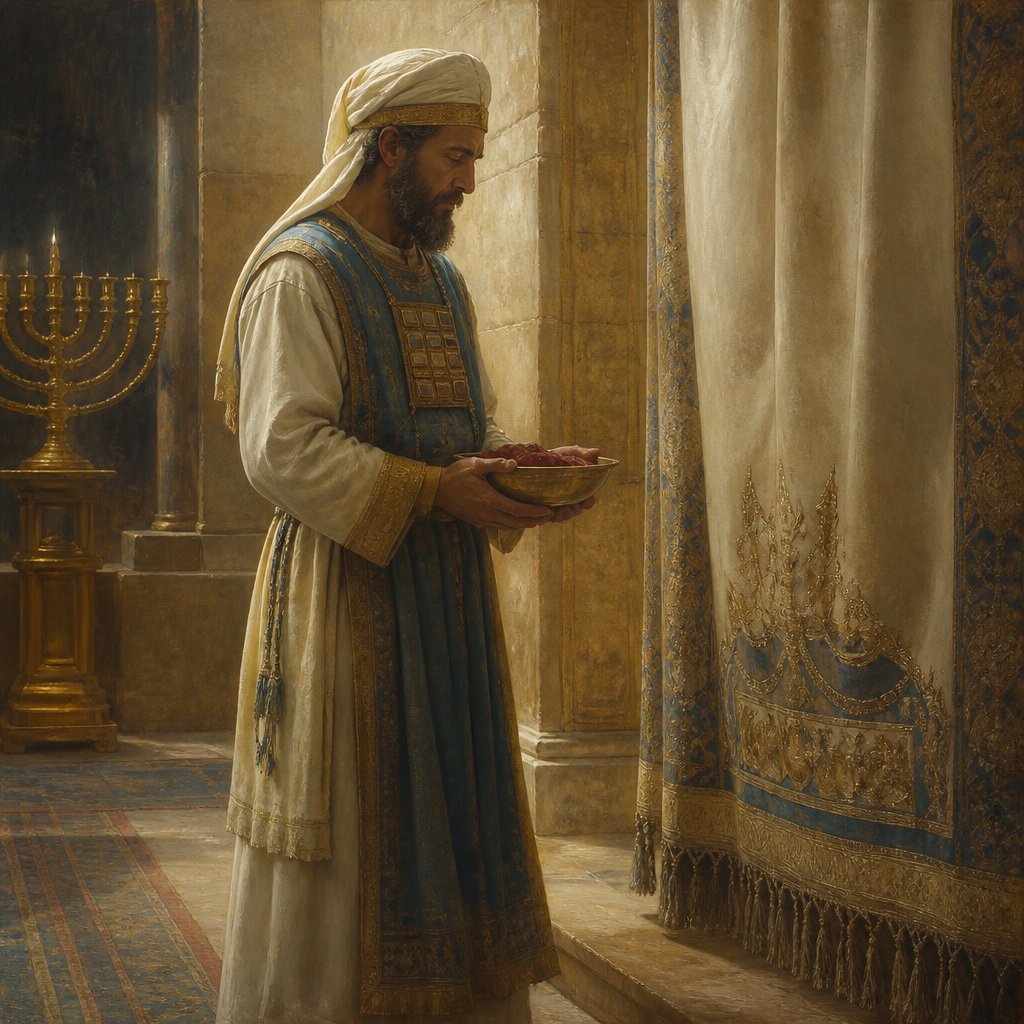
Hebrews 9:25 in the King James Version of the Bible states, "Nor yet that he should offer himself often, as the high priest entereth into the holy place every year with blood of others."
This verse is part of the larger context of the Book of Hebrews, which is considered one of the most theologically profound letters in the New Testament. The author of Hebrews, often attributed to Paul but debated by scholars, wrote this letter to Jewish Christians who were facing persecution and were struggling to integrate their Jewish heritage with their new Christian faith. The writer of Hebrews presents Jesus as the ultimate high priest and mediator between God and humanity, and seeks to show the superiority of Christ's sacrifice over the Levitical priesthood and the Old Testament sacrificial system.
In Hebrews 9:25, the author is contrasting the high priest of the Old Testament, who entered the Most Holy Place once a year with the blood of animals, with Jesus, who offers Himself as a sacrifice once for all. The implication is that Christ's sacrifice on the cross is sufficient and does not need to be repeated, unlike the annual sacrifices of the Old Testament system. This verse underscores the power and efficacy of Christ's atoning work and the finality of His sacrifice, which brings eternal redemption.
One of the central themes of Hebrews 9:25 is the concept of atonement and reconciliation. The reference to the high priest entering the Most Holy Place with the blood of animals alludes to the Day of Atonement, when the high priest would offer sacrifices for the sins of the people. This ritual was a temporary and provisional method of atonement, providing a covering for sin but not a permanent solution. In contrast, Jesus, as the true high priest, offers Himself as the perfect and once-for-all sacrifice, providing full and permanent atonement for sins. This verse underscores the sufficiency and finality of Christ's atoning work on the cross, highlighting the central Christian belief in salvation through the sacrifice of Jesus Christ.
Another significant theme in this verse is the contrast between the old covenant and the new covenant. The Old Testament sacrificial system, with its recurring rituals and animal sacrifices, was a shadow or foreshadowing of the ultimate sacrifice of Christ. The high priest's annual entrance into the Most Holy Place with the blood of animals symbolized the ongoing need for atonement and the separation between God and humanity. In contrast, Christ's sacrifice inaugurates a new and better covenant, in which sin is fully and finally dealt with, and believers have direct access to God through Jesus Christ. This verse emphasizes the superiority and finality of the new covenant in Christ, in which believers are redeemed and reconciled to God through faith in His sacrifice.
The symbolism in Hebrews 9:25 is rich and profound. The image of the high priest entering the Most Holy Place with the blood of animals serves as a vivid contrast to the self-offering of Christ on the cross. The blood of animals was unable to cleanse sin completely and merely served as a temporary covering, whereas the blood of Christ, as the spotless Lamb of God, provides full and permanent atonement for sin. This symbolism points to the centrality of the cross in the Christian faith and underscores the unique and unparalleled nature of Christ's sacrifice.
In conclusion, Hebrews 9:25 in the King James Version of the Bible encapsulates significant theological themes such as atonement, the new covenant, and the superiority of Christ's sacrifice. The verse serves as a reminder of the power and efficacy of Christ's atoning work on the cross, offering a profound understanding of redemption and reconciliation. This verse highlights the central Christian belief in salvation through the sacrifice of Jesus Christ, emphasizing the sufficiency and finality of His atoning work, and providing a powerful and enduring message of hope and assurance for believers.
Have questions about Hebrews 9:25?
Dive deeper into this scripture with Bible Chat — an AI-powered tool for exploring God's Word through conversation. Ask questions, get context, and grow in your understanding of the Bible.
Get Our Apps


Hebrews 9:25 Artwork

Hebrews 9:25 - "Nor yet that he should offer himself often, as the high priest entereth into the holy place every year with blood of others;"
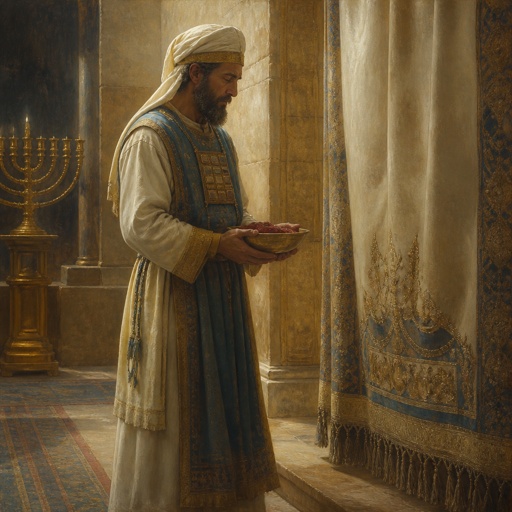
"Nor yet that he should offer himself often, as the high priest entereth into the holy place every year with blood of others;" - Hebrews 9:25

Hebrews 13:25 - "Grace be with you all. Amen."

"Grace be with you all. Amen." - Hebrews 13:25

Hebrews 11:25 - "Choosing rather to suffer affliction with the people of God, than to enjoy the pleasures of sin for a season;"

Hebrews 4:9 - "There remaineth therefore a rest to the people of God."

Hebrews 9:16 - "For where a testament is, there must also of necessity be the death of the testator."

Hebrews 9:18 - "Whereupon neither the first testament was dedicated without blood."

Hebrews 9:27 - "And as it is appointed unto men once to die, but after this the judgment:"

Hebrews 9:3 - "And after the second veil, the tabernacle which is called the Holiest of all;"

Hebrews 9:9 - "Which was a figure for the time then present, in which were offered both gifts and sacrifices, that could not make him that did the service perfect, as pertaining to the conscience;"

Hebrews 10:25 - "Not forsaking the assembling of ourselves together, as the manner of some is; but exhorting one another: and so much the more, as ye see the day approaching."

Hebrews 9:13 - "For if the blood of bulls and of goats, and the ashes of an heifer sprinkling the unclean, sanctifieth to the purifying of the flesh:"

Hebrews 9:20 - "Saying, This is the blood of the testament which God hath enjoined unto you."

Hebrews 9:21 - "Moreover he sprinkled with blood both the tabernacle, and all the vessels of the ministry."

Hebrews 7:25 - "Wherefore he is able also to save them to the uttermost that come unto God by him, seeing he ever liveth to make intercession for them."

Hebrews 9:17 - "For a testament is of force after men are dead: otherwise it is of no strength at all while the testator liveth."

Hebrews 9:2 - "For there was a tabernacle made; the first, wherein was the candlestick, and the table, and the shewbread; which is called the sanctuary."

Hebrews 9:1 - "Then verily the first covenant had also ordinances of divine service, and a worldly sanctuary."

Hebrews 9:22 - "And almost all things are by the law purged with blood; and without shedding of blood is no remission."

Hebrews 3:9 - "When your fathers tempted me, proved me, and saw my works forty years."

Hebrews 9:5 - "And over it the cherubims of glory shadowing the mercyseat; of which we cannot now speak particularly."
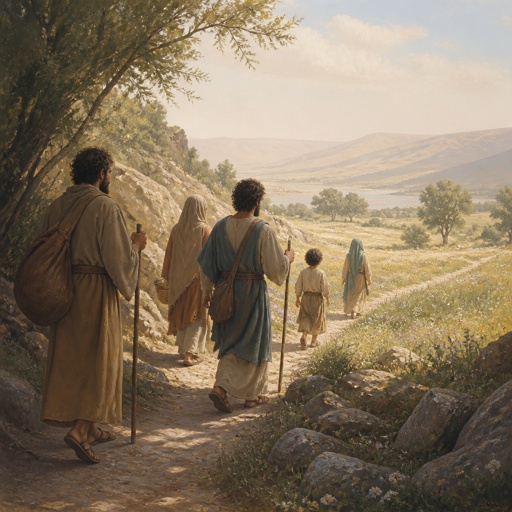
"There remaineth therefore a rest to the people of God." - Hebrews 4:9

Hebrews 6:9 - "But, beloved, we are persuaded better things of you, and things that accompany salvation, though we thus speak."
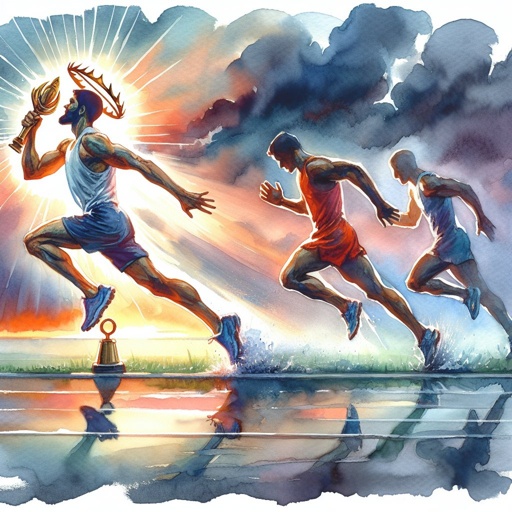
1 Corinthians 9:25-27

1 Corinthians 9:25-27

1 Corinthians 9:25-27

1 Corinthians 9:25-27

Genesis 25-9

Hebrews 7:9 - "And as I may so say, Levi also, who receiveth tithes, payed tithes in Abraham."