What does Hebrews 8:11 mean?
"And they shall not teach every man his neighbour, and every man his brother, saying, Know the Lord: for all shall know me, from the least to the greatest." - Hebrews 8:11
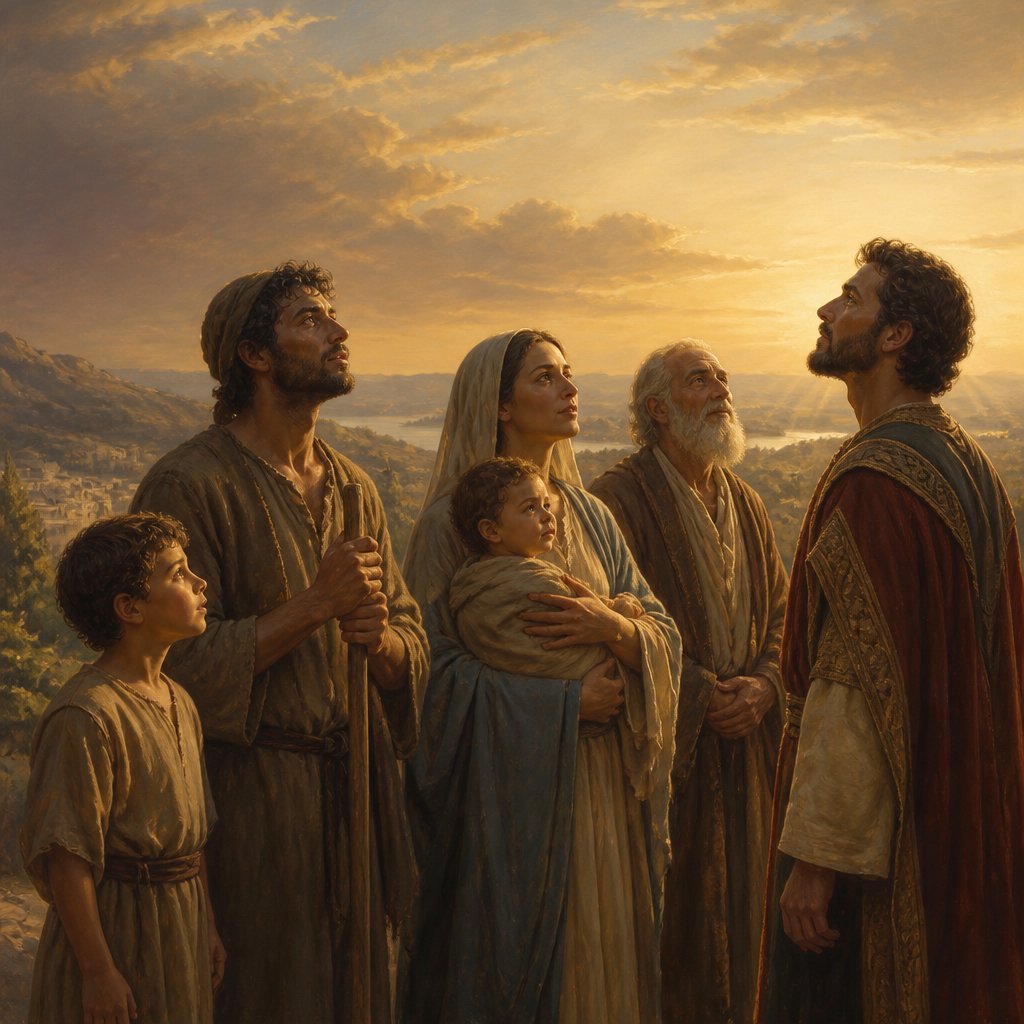
Hebrews 8:11 (KJV) states, "And they shall not teach every man his neighbour, and every man his brother, saying, Know the Lord: for all shall know me, from the least to the greatest."
The Book of Hebrews is a significant biblical text in the New Testament, often attributed to the Apostle Paul or one of his close companions. This verse is found within a passage that reflects on the Old Covenant and the New Covenant, particularly highlighting the superiority of the latter. The verse speaks to the intimacy and accessibility of knowing the Lord under the New Covenant.
The theme of knowledge and relationship with the Lord is central to this verse. It emphasizes that under the New Covenant, there is a universal and personal knowledge of God that will be inherent to all believers. This understanding goes beyond a mere intellectual awareness of God's existence and character; it speaks to an intimate and personal knowledge of God. This kind of knowledge is not reliant on human instruction or teaching, but is a result of an inward transformation and divine revelation.
The verse also emphasizes the accessibility of this knowledge to all people, regardless of their social status or background. It speaks to the democratizing nature of the New Covenant, where the revelation of God is not limited to a select group of individuals such as the priests or prophets, but is available to all believers. This universal availability of knowledge of God emphasizes his impartiality and love for all people.
There is also a sense of fulfillment of prophecy in this verse. The prophet Jeremiah spoke of a time when the law of God would be written on the hearts of his people (Jeremiah 31:33). This verse in Hebrews echoes that prophecy, highlighting that the knowledge of God will be internalized within each believer, making it a deeply personal and transformative experience.
The context of this verse is crucial to understanding its depth and significance. In the preceding verses, the writer of Hebrews cites the prophecy of Jeremiah and contrasts the Old Covenant, based on the law given through Moses, with the New Covenant established by Jesus Christ. The Old Covenant was characterized by external regulations and a system of priests who mediated between God and the people. However, the New Covenant brings a direct and personal relationship with God, allowing believers to know him intimately.
In terms of symbolism, this verse portrays the spiritual transformation that occurs through the New Covenant. It symbolizes the internalization of the knowledge of God within the hearts of believers, a transformation brought about by the Holy Spirit. The emphasis on "from the least to the greatest" symbolizes the inclusivity and universality of the New Covenant, where all believers, regardless of their status or background, have access to a personal and intimate knowledge of God.
Overall, Hebrews 8:11 (KJV) encompasses themes of intimacy, accessibility, fulfillment of prophecy, and spiritual transformation under the New Covenant. It emphasizes the personal and universal knowledge of God available to all believers, transcending the limitations of the Old Covenant. This verse serves as a reminder of the profound privilege and responsibility of knowing and walking with the Lord under the New Covenant, made possible through the sacrifice and mediation of Jesus Christ.
Have questions about Hebrews 8:11?
Dive deeper into this scripture with Bible Chat — an AI-powered tool for exploring God's Word through conversation. Ask questions, get context, and grow in your understanding of the Bible.
Get Our Apps


Hebrews 8:11 Artwork

Hebrews 8:11 - "And they shall not teach every man his neighbour, and every man his brother, saying, Know the Lord: for all shall know me, from the least to the greatest."
"And they shall not teach every man his neighbour, and every man his brother, saying, Know the Lord: for all shall know me, from the least to the greatest." - Hebrews 8:11
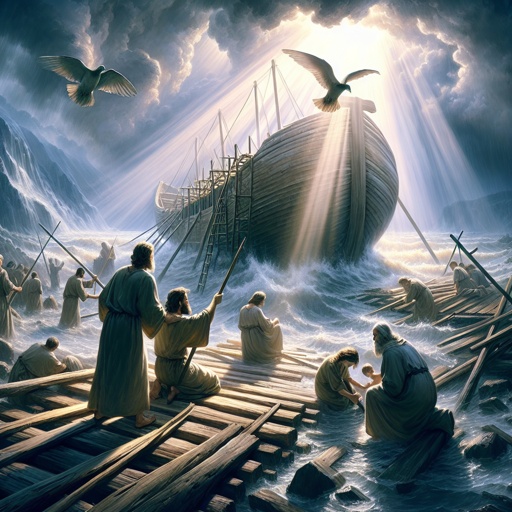
Hebrews 11:8 It was by faith that Noah built a large boat to save his family from the flood. He obeyed God…
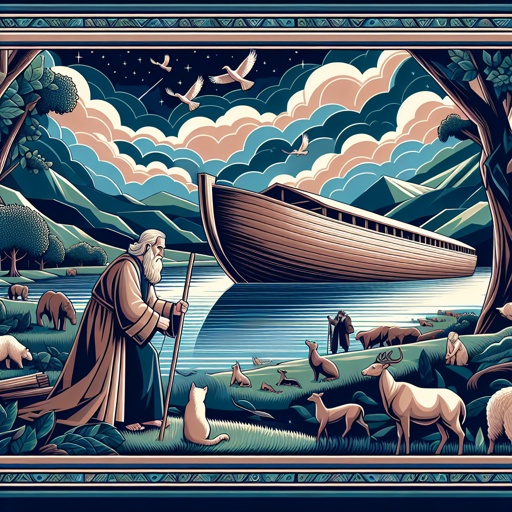
Hebrews 11:8 It was by faith that Noah built a large boat to save his family from the flood. He obeyed God…
Hebrews 11:8 It was by faith that Noah built a large boat to save his family from the flood. He obeyed God…

Hebrews 11:8 - "By faith Abraham, when he was called to go out into a place which he should after receive for an inheritance, obeyed; and he went out, not knowing whither he went."

Hebrews 11:8 It was by faith that Noah built a large boat to save his family from the flood. He obeyed God…
Hebrews 11:8 It was by faith that Abraham obeyed when God called him to leave home and go to another land that God would give him

Hebrews 11:16

Hebrews 11:16
Hebrews 11:8 It was by faith that Abraham obeyed when God called him to leave home and go to another land that God would give him

Hebrews 12:8

Hebrews 8:5

Hebrews 8:1-5

Romans 8:11

Hebrews 11 the faith hall of fame

Hebrews 11:2 - "For by it the elders obtained a good report."

Hebrews 11 the faith hall of fame

Hebrews 11 the faith hall of fame

Psalm 80:8-11

Hebrews 13:8 - "Jesus Christ the same yesterday, and to day, and for ever."

Hebrews 11:18 - "Of whom it was said, That in Isaac shall thy seed be called:"

Hebrews 11:14 - "For they that say such things declare plainly that they seek a country."

Hebrews 3:8 - "Harden not your hearts, as in the provocation, in the day of temptation in the wilderness:"

Hebrews 11:1 - "Now faith is the substance of things hoped for, the evidence of things not seen."

Hebrews 3:11 - "So I sware in my wrath, They shall not enter into my rest.)"

Hebrews 11:20 - "By faith Isaac blessed Jacob and Esau concerning things to come."

"For by it the elders obtained a good report." - Hebrews 11:2

Hebrews 8:12 - "For I will be merciful to their unrighteousness, and their sins and their iniquities will I remember no more."

Hebrews 8:2 - "A minister of the sanctuary, and of the true tabernacle, which the Lord pitched, and not man."