What does Hebrews 6:6 mean?
"If they shall fall away, to renew them again unto repentance; seeing they crucify to themselves the Son of God afresh, and put him to an open shame." - Hebrews 6:6
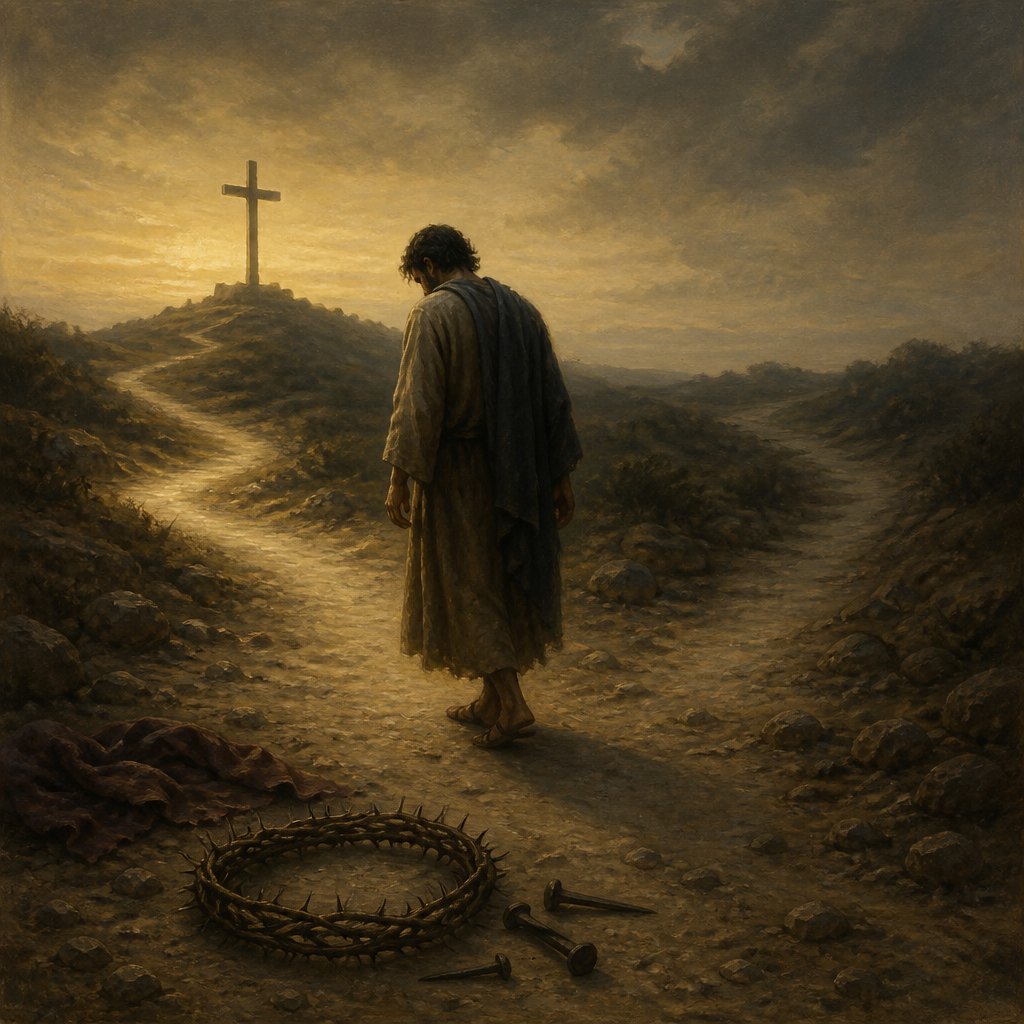
The Bible verse Hebrews 6:6 in the King James Version (KJV) states, "If they shall fall away, to renew them again unto repentance; seeing they crucify to themselves the Son of God afresh, and put him to an open shame." This verse is part of a larger passage in the book of Hebrews that addresses the dangers of falling away from the faith and the consequences of rejecting Christ after having experienced His grace.
The context of Hebrews 6:6 is important to fully understand its meaning. In the preceding verses, the author of Hebrews warns against the possibility of "impossible to renew to repentance those who were once enlightened, who have tasted the heavenly gift, who have become partakers of the Holy Spirit, and have tasted the good word of God and the powers of the age to come – if they fall away." This passage is specifically addressing believers who have experienced the blessings and power of the Holy Spirit and have knowingly turned away from it. The author is highlighting the severity of rejecting Christ after having a deep understanding and experience of His grace.
The key theme of Hebrews 6:6 is the unwavering commitment and faithfulness to Christ. The verse speaks to the irreversible consequences of willfully turning away from the truth of the Gospel and rejecting the saving grace that comes through Christ. It emphasizes the seriousness of apostasy, indicating that those who fall away and reject Christ after having a personal encounter with Him face a severe judgment. The imagery of crucifying the Son of God afresh and putting Him to an open shame vividly conveys the magnitude of this offense and the dishonor it brings to Christ's sacrifice on the cross.
The symbolism in Hebrews 6:6 is profound and deeply impactful. The act of crucifying the Son of God afresh represents a deliberate and willful rejection of Christ's sacrificial death on the cross. It signifies a complete disregard for His redemptive work and a return to the state of spiritual death from which believers have been freed. This imagery serves as a powerful warning against the grave consequences of abandoning the faith and turning away from the truth of the Gospel.
Furthermore, the notion of putting Christ to an open shame underscores the public nature of this rejection. It highlights the dishonor and disgrace that comes with openly renouncing the faith and discrediting the name of Christ. This imagery serves as a stark reminder of the weighty responsibility that comes with professing belief in Christ and the importance of remaining steadfast in the face of opposition and hardship.
In conclusion, Hebrews 6:6 in the King James Version of the Bible conveys a sobering message about the implications of falling away from the faith and rejecting Christ after having experienced His grace. It serves as a profound reminder of the seriousness of apostasy and the irreversible consequences of turning away from the truth of the Gospel. The verse emphasizes the unwavering commitment and faithfulness to Christ, warning believers against the devastating effects of willfully rejecting His redemptive work. The powerful themes, context, and symbolism in this verse provide a compelling exhortation for believers to remain steadfast in their faith and to uphold the honor and glory of Christ in all they do.
Have questions about Hebrews 6:6?
Dive deeper into this scripture with Bible Chat — an AI-powered tool for exploring God's Word through conversation. Ask questions, get context, and grow in your understanding of the Bible.
Get Our Apps


Hebrews 6:6 Artwork

Hebrews 6:6 - "If they shall fall away, to renew them again unto repentance; seeing they crucify to themselves the Son of God afresh, and put him to an open shame."
"If they shall fall away, to renew them again unto repentance; seeing they crucify to themselves the Son of God afresh, and put him to an open shame." - Hebrews 6:6

Hebrews 6:1

Hebrews 6:1

Hebrews 6:3 - "And this will we do, if God permit."

Hebrews 6:2 - "Of the doctrine of baptisms, and of laying on of hands, and of resurrection of the dead, and of eternal judgment."

Hebrews 6:5 - "And have tasted the good word of God, and the powers of the world to come,"

Hebrews 10:6 - "In burnt offerings and sacrifices for sin thou hast had no pleasure."

"And this will we do, if God permit." - Hebrews 6:3

Hebrews 6:15 - "And so, after he had patiently endured, he obtained the promise."

Hebrews 6:12 - "That ye be not slothful, but followers of them who through faith and patience inherit the promises."

Hebrews 6:14 - "Saying, Surely blessing I will bless thee, and multiplying I will multiply thee."

Hebrews 6:16 - "For men verily swear by the greater: and an oath for confirmation is to them an end of all strife."

Hebrews 12:6 - "For whom the Lord loveth he chasteneth, and scourgeth every son whom he receiveth."

Hebrews 6:8 - "But that which beareth thorns and briers is rejected, and is nigh unto cursing; whose end is to be burned."

Hebrews 5:6 - "As he saith also in another place, Thou art a priest for ever after the order of Melchisedec."

Hebrews 6:9 - "But, beloved, we are persuaded better things of you, and things that accompany salvation, though we thus speak."

Hebrews 6:20 - "Whither the forerunner is for us entered, even Jesus, made an high priest for ever after the order of Melchisedec."

Hebrews 6:13 - "For when God made promise to Abraham, because he could swear by no greater, he sware by himself,"

Hebrews 6:19 - "Which hope we have as an anchor of the soul, both sure and stedfast, and which entereth into that within the veil;"

Hebrews 7:6 - "But he whose descent is not counted from them received tithes of Abraham, and blessed him that had the promises."

Hebrews 4:6 - "Seeing therefore it remaineth that some must enter therein, and they to whom it was first preached entered not in because of unbelief:"

Hebrews 6:11 - "And we desire that every one of you do shew the same diligence to the full assurance of hope unto the end:"

Hebrews 9:6 - "Now when these things were thus ordained, the priests went always into the first tabernacle, accomplishing the service of God."

Hebrews 6:17 - "Wherein God, willing more abundantly to shew unto the heirs of promise the immutability of his counsel, confirmed it by an oath:"

Hebrews 1:6 - "And again, when he bringeth in the firstbegotten into the world, he saith, And let all the angels of God worship him."

Hebrews 6:4 - "For it is impossible for those who were once enlightened, and have tasted of the heavenly gift, and were made partakers of the Holy Ghost,"

Hebrews 13:6 - "So that we may boldly say, The Lord is my helper, and I will not fear what man shall do unto me."
Hebrews 2:6 - "But one in a certain place testified, saying, What is man, that thou art mindful of him? or the son of man, that thou visitest him?"

Acts 6:1 - "And in those days, when the number of the disciples was multiplied, there arose a murmuring of the Grecians against the Hebrews, because their widows were neglected in the daily ministration."