What does Hebrews 3:10 mean?
"Wherefore I was grieved with that generation, and said, They do alway err in their heart; and they have not known my ways." - Hebrews 3:10
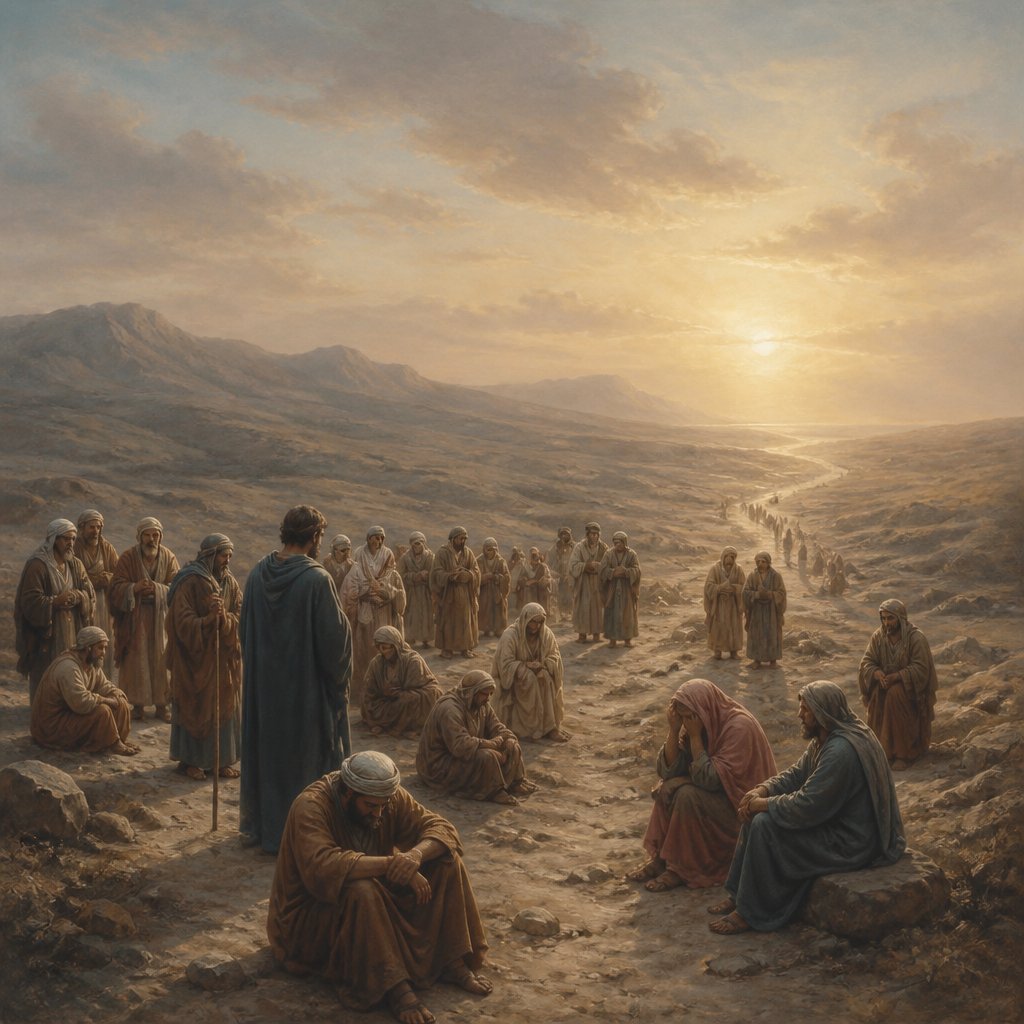
Hebrews 3:10 in the King James Version of the Bible reads: "Wherefore I was grieved with that generation, and said, They do alway err in their heart; and they have not known my ways."
This verse is part of a larger passage in the book of Hebrews where the author is exhorting and warning the Hebrew Christians about the dangers of unbelief and disobedience. The author uses the example of the Israelites in the wilderness as a cautionary tale, highlighting their failures and the consequences they faced as a result.
In this particular verse, the focus is on God's response to the Israelites' behavior during their time in the wilderness. The language used conveys a sense of disappointment and sorrow on God's part. The phrase "I was grieved with that generation" indicates that God's heart was saddened by the actions of the Israelites. This highlights God's deeply personal and emotional investment in his relationship with humanity.
The verse then goes on to quote God as saying, "They do alway err in their heart; and they have not known my ways." This statement reveals the root of the problem - the Israelites' hearts were continually led astray, and they lacked true understanding of God's ways. Their disobedience and unbelief were ultimately a result of their internal spiritual condition.
The theme of unbelief and disobedience is central to this verse and the larger passage in Hebrews. The author is urging the readers to learn from the mistakes of the Israelites and to take heed of the consequences of unbelief. The Israelites' failure to enter the promised land serves as a sobering example of the perils of straying from God's ways.
The context of this verse is also important to consider. The author of Hebrews is writing to a predominantly Jewish audience who would have been familiar with the history of the Israelites and their time in the wilderness. By referencing this history, the author is able to make a compelling argument for the superiority of Jesus and the importance of holding fast to the faith. The warning against unbelief and disobedience is meant to serve as a call to action for the readers to remain steadfast in their faith and not repeat the mistakes of the past.
Symbolism can also be found in this verse, particularly in the language used to describe God's response to the Israelites. The idea of God being "grieved" with the Israelite generation humanizes the divine and underscores the depth of God's emotional investment in his people. Additionally, the emphasis on the condition of the heart as the source of the Israelites' error serves as a symbolic reminder of the importance of internal spiritual alignment and obedience to God.
In conclusion, Hebrews 3:10 offers a poignant reminder of the consequences of unbelief and disobedience, as seen through the lens of the Israelites' experience in the wilderness. The verse conveys a sense of God's heartfelt disappointment in response to the failures of his people. The themes of faithfulness, obedience, and spiritual condition are central to this passage, and the context of the larger letter to the Hebrews underscores the urgency of the author's exhortation. The symbolic language used further highlights the profound nature of God's relationship with humanity and the importance of aligning one's heart with God's ways.
Have questions about Hebrews 3:10?
Dive deeper into this scripture with Bible Chat — an AI-powered tool for exploring God's Word through conversation. Ask questions, get context, and grow in your understanding of the Bible.
Get Our Apps


Hebrews 3:10 Artwork

Hebrews 3:10 - "Wherefore I was grieved with that generation, and said, They do alway err in their heart; and they have not known my ways."
"Wherefore I was grieved with that generation, and said, They do alway err in their heart; and they have not known my ways." - Hebrews 3:10

Hebrews 10:3 - "But in those sacrifices there is a remembrance again made of sins every year."
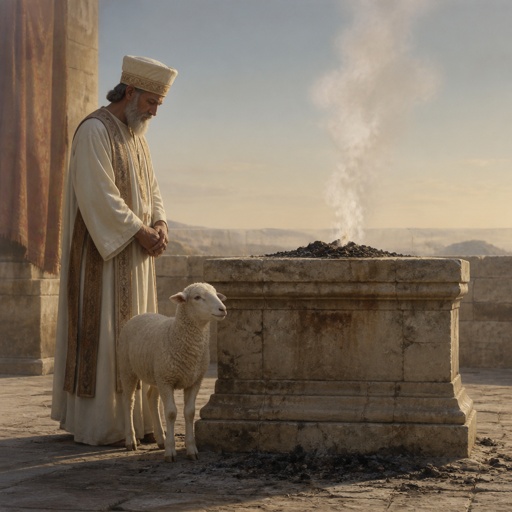
"But in those sacrifices there is a remembrance again made of sins every year." - Hebrews 10:3

Hebrews 10:5-10

Hebrews 10:5-10

Hebrews 10:22

Hebrews 10:20

Hebrews 10:10 - "By the which will we are sanctified through the offering of the body of Jesus Christ once for all."

Hebrews 13:3

Hebrews 10:17 - "And their sins and iniquities will I remember no more."

Exodus 10:3 - "And Moses and Aaron came in unto Pharaoh, and said unto him, Thus saith the LORD God of the Hebrews, How long wilt thou refuse to humble thyself before me? let my people go, that they may serve me."

Hebrews 10:21 - "And having an high priest over the house of God;"

Hebrews 10:31 - "It is a fearful thing to fall into the hands of the living God."

Hebrews 5:10 - "Called of God an high priest after the order of Melchisedec."

Hebrews 10:18 - "Now where remission of these is, there is no more offering for sin."

Hebrews 6:3 - "And this will we do, if God permit."

Hebrews 10:14 - "For by one offering he hath perfected for ever them that are sanctified."

Hebrews 10:37 - "For yet a little while, and he that shall come will come, and will not tarry."

Hebrews (10:37) For just a little longer and he who is coming will arrive and not delay.

Hebrews 10:6 - "In burnt offerings and sacrifices for sin thou hast had no pleasure."

Hebrews 10:4 - "For it is not possible that the blood of bulls and of goats should take away sins."

Hebrews (10:37) For just a little longer and he who is coming will arrive and not delay.

Hebrews (10:37) For just a little longer and he who is coming will arrive and not delay.

Hebrews (10:37) For just a little longer and he who is coming will arrive and not delay.

Hebrews (10:37) For just a little longer and he who is coming will arrive and not delay.

Hebrews (10:37) For just a little longer and he who is coming will arrive and not delay.

Hebrews (10:37) For just a little longer and he who is coming will arrive and not delay.

Hebrews (10:37) For just a little longer and he who is coming will arrive and not delay.

Hebrews 7:10 - "For he was yet in the loins of his father, when Melchisedec met him."