What does Hebrews 1:8 mean?
"But unto the Son he saith, Thy throne, O God, is for ever and ever: a sceptre of righteousness is the sceptre of thy kingdom." - Hebrews 1:8
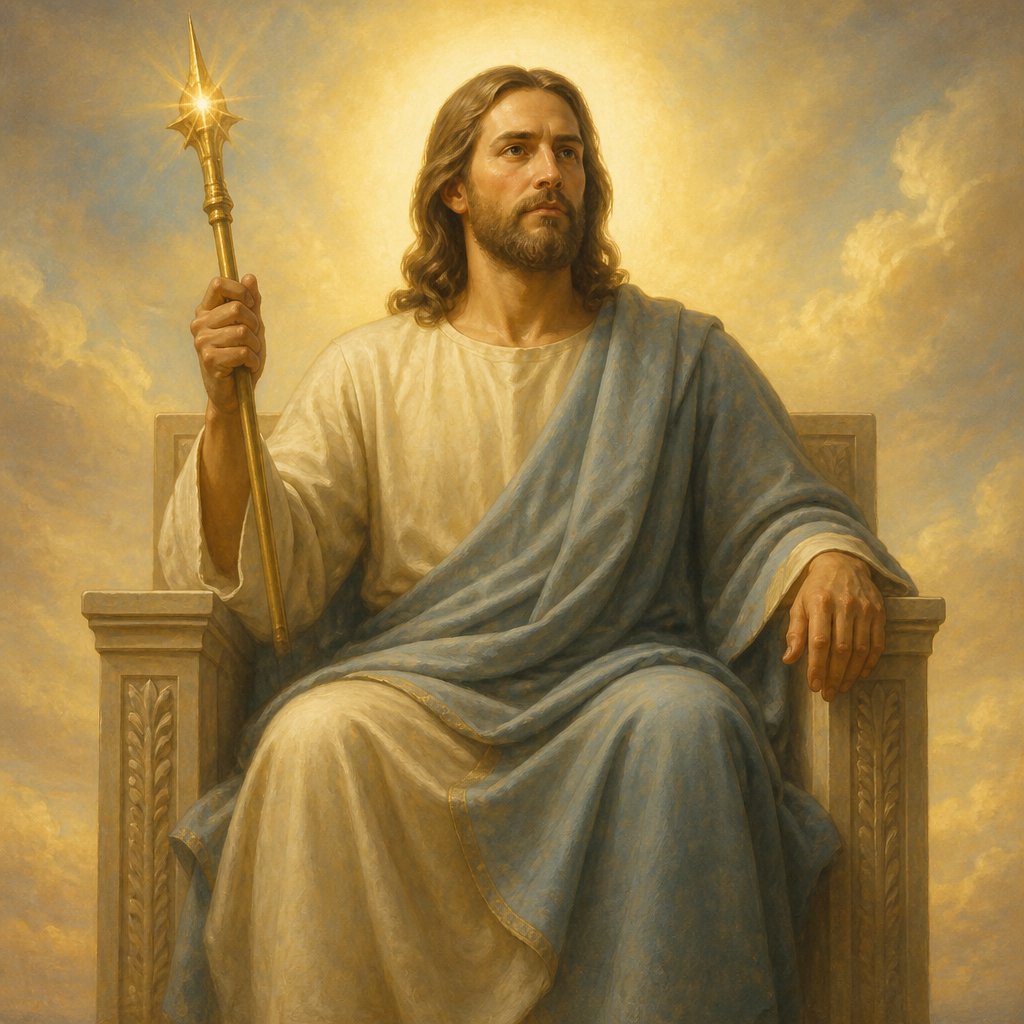
Hebrews 1:8 in the King James Version of the Bible reads, "But unto the Son he saith, Thy throne, O God, is for ever and ever: a sceptre of righteousness is the sceptre of thy kingdom." This verse is highly significant in Christian theology and has been interpreted and analyzed for centuries by scholars, theologians, and believers.
In this verse, the author of Hebrews is quoting from an Old Testament passage, specifically Psalm 45:6-7. The author uses this passage to illustrate the superiority of Jesus Christ over the angels. The verse emphasizes the eternal nature of Christ's reign and his righteousness as the king of the kingdom of God.
One of the key themes in this verse is the divine nature of Christ. The phrase "Thy throne, O God" explicitly refers to Jesus as God, affirming his deity. This is a central tenet of Christian faith, as Jesus is considered to be fully divine and fully human. The verse also underscores the eternal and everlasting nature of Christ's reign, highlighting his authority and sovereignty over all creation.
The concept of the "sceptre of righteousness" further emphasizes the righteous and just rule of Christ. In ancient Near Eastern culture, a scepter was a symbol of royal authority and power. By describing Christ's scepter as one of righteousness, the verse emphasizes his moral authority and the fairness of his rule. This portrayal of Christ as a just and righteous king aligns with the biblical understanding of God's character and the expectation of justice in his kingdom.
The context of Hebrews 1:8 is important for understanding its significance. The author of Hebrews is writing to a predominantly Jewish audience, using a highly literary and theological approach to connect the Old Testament with the person and work of Jesus Christ. Throughout the entire chapter, the author highlights Christ's superiority over the angels, the prophets, and all other figures in Jewish tradition. This verse serves as a climax to the argument, affirming the deity, eternal nature, and righteousness of Christ as the ultimate fulfillment of God's plan for redemption.
In addition to its theological and doctrinal significance, Hebrews 1:8 also holds symbolic value. The image of the throne is a powerful symbol of authority and rulership, and by referencing the throne of Christ, the verse emphasizes his preeminence and dominion. The scepter, as mentioned earlier, symbolizes justice and righteousness, reflecting the moral character of Christ's rule. These symbols serve to convey the majestic and regal nature of Christ as the King of kings.
Overall, Hebrews 1:8 is a profound and spiritually rich verse that encapsulates key aspects of Christian belief. It affirms the divine nature of Christ, emphasizes his eternal and righteous rule, and serves as a powerful declaration of his kingship. The verse is rooted in the Old Testament and is used by the author of Hebrews to demonstrate the fulfillment of God's promises in Jesus Christ. It continues to be a foundational text for understanding the person and work of Christ within the Christian tradition.
Have questions about Hebrews 1:8?
Dive deeper into this scripture with Bible Chat — an AI-powered tool for exploring God's Word through conversation. Ask questions, get context, and grow in your understanding of the Bible.
Get Our Apps


Hebrews 1:8 Artwork

Hebrews 1:8 - "But unto the Son he saith, Thy throne, O God, is for ever and ever: a sceptre of righteousness is the sceptre of thy kingdom."
"But unto the Son he saith, Thy throne, O God, is for ever and ever: a sceptre of righteousness is the sceptre of thy kingdom." - Hebrews 1:8

Hebrews 8:1-5

Hebrews 8:1 - "Now of the things which we have spoken this is the sum: We have such an high priest, who is set on the right hand of the throne of the Majesty in the heavens;"

Hebrews 12:8

Hebrews 8:5

Hebrews 13:8 - "Jesus Christ the same yesterday, and to day, and for ever."

Hebrews 3:8 - "Harden not your hearts, as in the provocation, in the day of temptation in the wilderness:"

1 Chronicles 6:8 - "And Ahitub begat Zadok, and Zadok begat Ahimaaz,"

Hebrews 8:12 - "For I will be merciful to their unrighteousness, and their sins and their iniquities will I remember no more."

Hebrews 8:2 - "A minister of the sanctuary, and of the true tabernacle, which the Lord pitched, and not man."

Hebrews 1:14

Hebrews 1:14

Hebrews 8:7 - "For if that first covenant had been faultless, then should no place have been sought for the second."

Hebrews 6:8 - "But that which beareth thorns and briers is rejected, and is nigh unto cursing; whose end is to be burned."

Hebrews 7:8 - "And here men that die receive tithes; but there he receiveth them, of whom it is witnessed that he liveth."

Hebrews 6:1

Hebrews 8:8 - "For finding fault with them, he saith, Behold, the days come, saith the Lord, when I will make a new covenant with the house of Israel and with the house of Judah:"

Hebrews 8:4 - "For if he were on earth, he should not be a priest, seeing that there are priests that offer gifts according to the law:"

Hebrews 6:1

"Jesus Christ the same yesterday, and to day, and for ever." - Hebrews 13:8

Hebrews 5:8 - "Though he were a Son, yet learned he obedience by the things which he suffered;"

Hebrews 4:8 - "For if Jesus had given them rest, then would he not afterward have spoken of another day."

Hebrews 9:8 - "The Holy Ghost this signifying, that the way into the holiest of all was not yet made manifest, while as the first tabernacle was yet standing:"

"Jesus Christ the same yesterday, and to day, and for ever." - Hebrews 13:8

Hebrews 8:3 - "For every high priest is ordained to offer gifts and sacrifices: wherefore it is of necessity that this man have somewhat also to offer."
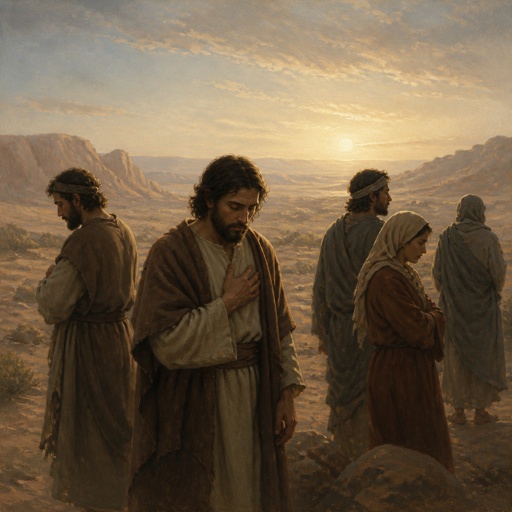
"Harden not your hearts, as in the provocation, in the day of temptation in the wilderness:" - Hebrews 3:8

Hebrews 13:1 - "Let brotherly love continue."

Hebrews 8:13 - "In that he saith, A new covenant, he hath made the first old. Now that which decayeth and waxeth old is ready to vanish away."
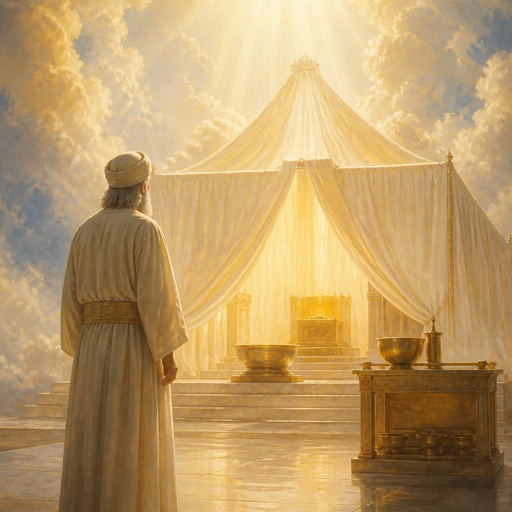
"A minister of the sanctuary, and of the true tabernacle, which the Lord pitched, and not man." - Hebrews 8:2