What does Hebrews 1:6 mean?
"And again, when he bringeth in the firstbegotten into the world, he saith, And let all the angels of God worship him." - Hebrews 1:6
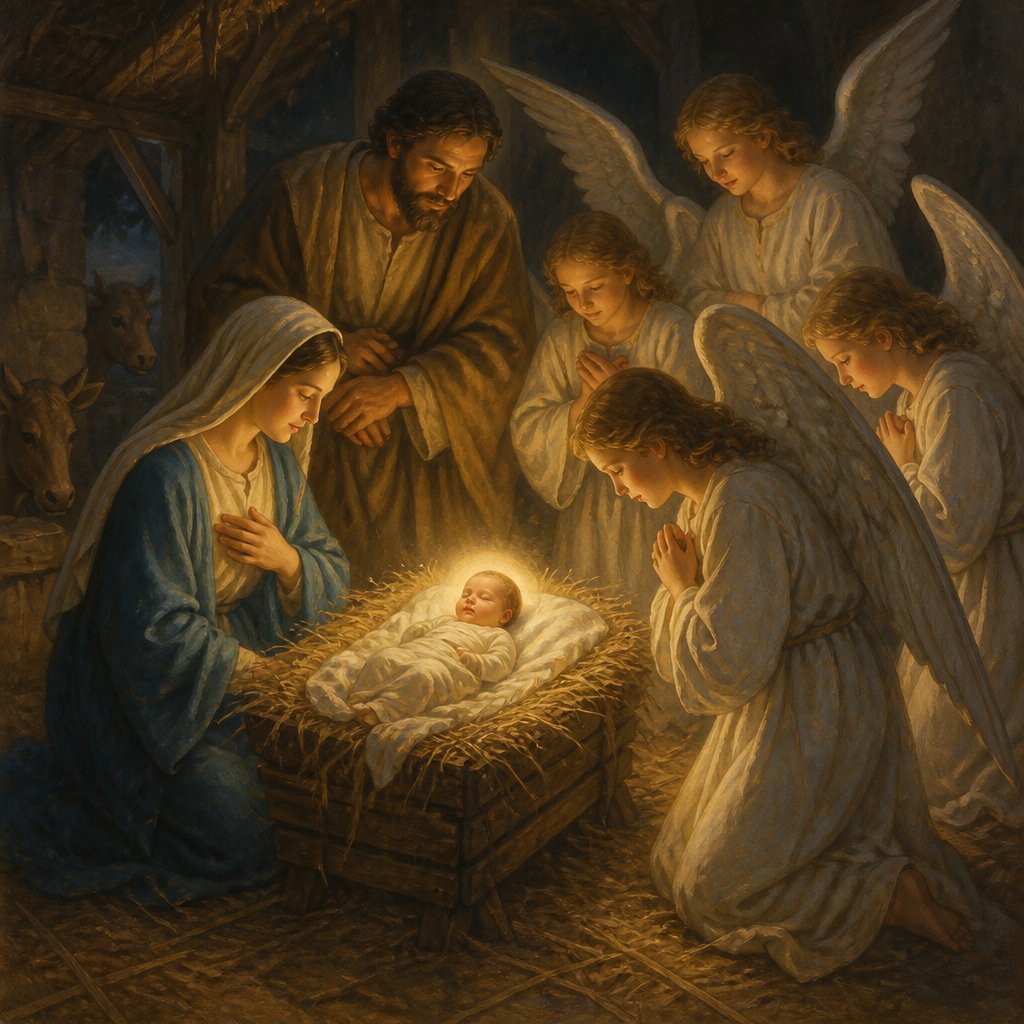
Hebrews 1:6 in the King James Version (KJV) of the Bible reads, "And again, when he bringeth in the firstbegotten into the world, he saith, And let all the angels of God worship him."
This verse is an excerpt from the first chapter of the book of Hebrews in the New Testament. The author of Hebrews is unknown, but it is traditionally attributed to the apostle Paul. The book of Hebrews is often regarded as a complex and deeply theological text, and this verse is no exception.
In this verse, the author is drawing attention to the superiority of Jesus Christ over the angels. The phrase "firstbegotten" refers to Jesus as the Son of God, emphasizing His preeminence and position as the heir of all things. The author is asserting that, despite the exalted status of the angels, even they are called to worship Jesus.
The theme of the superiority of Christ is a central focus of the book of Hebrews. Throughout the book, the author presents a series of comparisons between Jesus and various aspects of the Jewish religious system, including the angels, Moses, and the Levitical priesthood. The overarching message is that Jesus is the ultimate fulfillment of God's plan for salvation, and His role as the high priest and mediator between God and humanity is far greater than any that came before Him.
The context of this verse within the broader book of Hebrews is crucial to understanding its significance. The audience of Hebrews was likely a group of Jewish Christians who were experiencing persecution and pressure to revert to Judaism. The author's purpose is to encourage these believers to remain steadfast in their faith in Christ and not to abandon their confession. By emphasizing the supremacy of Jesus over the angels, the author is affirming the deity and authority of Christ and reinforcing the importance of remaining faithful to Him.
Additionally, the verse carries deep theological significance regarding the nature of Christ. The idea that all the angels of God should worship Jesus implies His divine nature and the exalted position He holds in the spiritual realm. This aligns with other New Testament passages that affirm the deity of Christ, such as John 1:1, which states, "In the beginning was the Word, and the Word was with God, and the Word was God."
Symbolically, this verse represents the fulfillment of Old Testament prophecies and the culmination of God's redemptive plan. In the Old Testament, there are many instances where angels are depicted as messengers of God, delivering His word and fulfilling His will. However, in the New Testament, Jesus is presented as the ultimate divine messenger and the embodiment of God's will. By commanding all the angels to worship Jesus, God is demonstrating the unparalleled significance of His Son in the divine order.
In conclusion, Hebrews 1:6 in the KJV of the Bible encapsulates profound theological truths about the preeminence of Jesus Christ over the angels, the deity of Christ, and the fulfillment of God's redemptive plan. It serves as a powerful reminder for believers to maintain their faith in Christ and to recognize His supreme authority. The verse reinforces the central theme of the book of Hebrews – the superiority and sufficiency of Jesus Christ for salvation – and it offers profound insight into the nature of Christ as the Son of God and the ultimate object of worship.
Have questions about Hebrews 1:6?
Dive deeper into this scripture with Bible Chat — an AI-powered tool for exploring God's Word through conversation. Ask questions, get context, and grow in your understanding of the Bible.
Get Our Apps


Hebrews 1:6 Artwork

Hebrews 1:6 - "And again, when he bringeth in the firstbegotten into the world, he saith, And let all the angels of God worship him."

"And again, when he bringeth in the firstbegotten into the world, he saith, And let all the angels of God worship him." - Hebrews 1:6

Hebrews 6:1

Hebrews 6:1

Acts 6:1 - "And in those days, when the number of the disciples was multiplied, there arose a murmuring of the Grecians against the Hebrews, because their widows were neglected in the daily ministration."

1 Samuel 4:6 - "And when the Philistines heard the noise of the shout, they said, What meaneth the noise of this great shout in the camp of the Hebrews? And they understood that the ark of the LORD was come into the camp."

Hebrews 6:1 - "Therefore leaving the principles of the doctrine of Christ, let us go on unto perfection; not laying again the foundation of repentance from dead works, and of faith toward God,"

Hebrews 6:3 - "And this will we do, if God permit."

Hebrews 6:2 - "Of the doctrine of baptisms, and of laying on of hands, and of resurrection of the dead, and of eternal judgment."

Hebrews 6:5 - "And have tasted the good word of God, and the powers of the world to come,"

Hebrews 10:6 - "In burnt offerings and sacrifices for sin thou hast had no pleasure."

1 Chronicles 6:8 - "And Ahitub begat Zadok, and Zadok begat Ahimaaz,"

"And this will we do, if God permit." - Hebrews 6:3

Hebrews 1:14

Hebrews 1:14

Hebrews 6:15 - "And so, after he had patiently endured, he obtained the promise."

Hebrews 6:6 - "If they shall fall away, to renew them again unto repentance; seeing they crucify to themselves the Son of God afresh, and put him to an open shame."

Hebrews 12:6 - "For whom the Lord loveth he chasteneth, and scourgeth every son whom he receiveth."

Hebrews 6:8 - "But that which beareth thorns and briers is rejected, and is nigh unto cursing; whose end is to be burned."

Hebrews 6:12 - "That ye be not slothful, but followers of them who through faith and patience inherit the promises."

Hebrews 6:14 - "Saying, Surely blessing I will bless thee, and multiplying I will multiply thee."

Hebrews 6:16 - "For men verily swear by the greater: and an oath for confirmation is to them an end of all strife."

Hebrews 6:9 - "But, beloved, we are persuaded better things of you, and things that accompany salvation, though we thus speak."

Hebrews 6:20 - "Whither the forerunner is for us entered, even Jesus, made an high priest for ever after the order of Melchisedec."

Hebrews 6:13 - "For when God made promise to Abraham, because he could swear by no greater, he sware by himself,"

Hebrews 5:6 - "As he saith also in another place, Thou art a priest for ever after the order of Melchisedec."

Hebrews 8:1-5

Hebrews 6:11 - "And we desire that every one of you do shew the same diligence to the full assurance of hope unto the end:"

Hebrews 9:6 - "Now when these things were thus ordained, the priests went always into the first tabernacle, accomplishing the service of God."

Hebrews 7:6 - "But he whose descent is not counted from them received tithes of Abraham, and blessed him that had the promises."