What does Hebrews 1:5 mean?
"For unto which of the angels said he at any time, Thou art my Son, this day have I begotten thee? And again, I will be to him a Father, and he shall be to me a Son?" - Hebrews 1:5
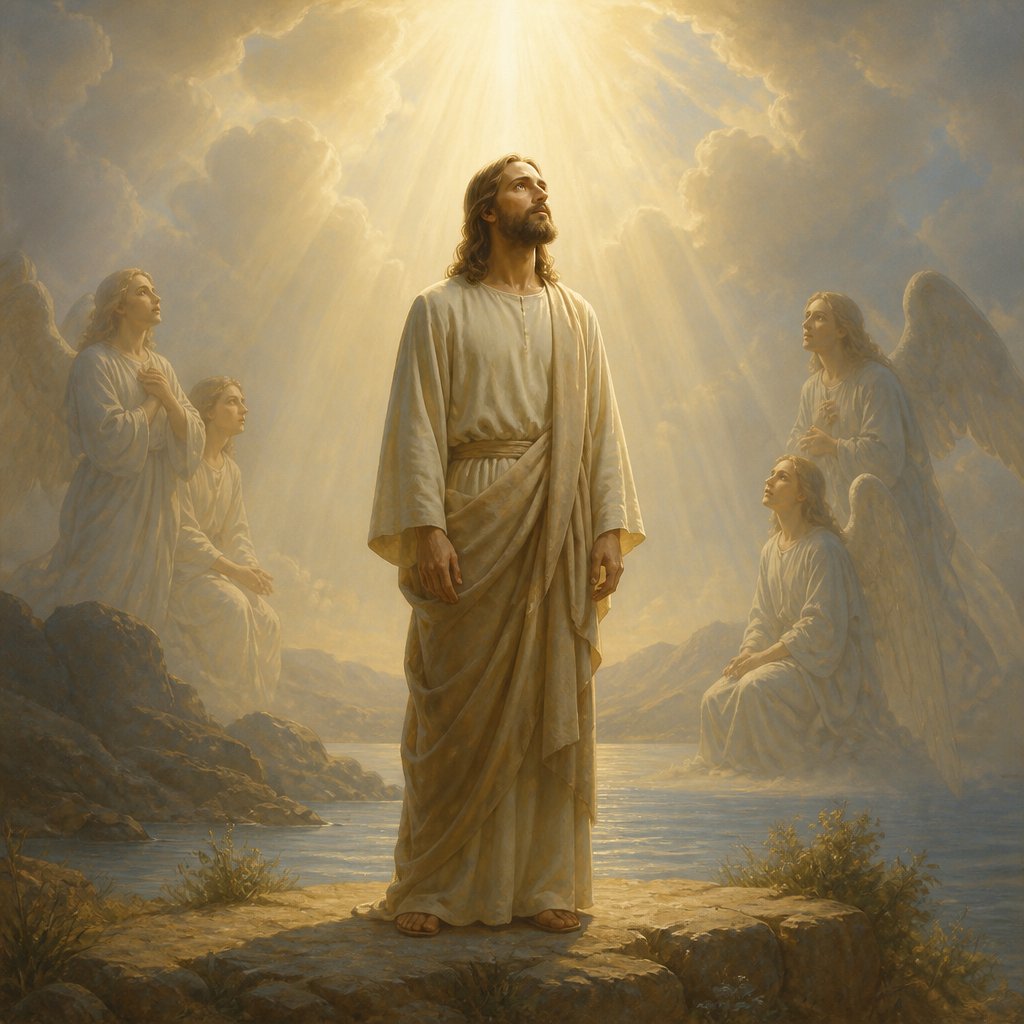
Hebrews 1:5 in the King James Version of the Bible states: "For unto which of the angels said he at any time, Thou art my Son, this day have I begotten thee? And again, I will be to him a Father, and he shall be to me a Son?"
This verse is part of the opening chapter of the book of Hebrews, which was written to Jewish Christians in the first century. The author of Hebrews is not explicitly identified, but many scholars believe it was written by the apostle Paul or one of his close associates. The book of Hebrews is unique in the New Testament in that it is not a letter or a gospel, but rather a sermon or a treatise that expounds on the superiority of Christ and the new covenant over the old covenant and the Mosaic law.
In Hebrews 1:5, the author is making the case for the superiority of Jesus Christ over the angels. The verse poses a rhetorical question, asking which of the angels God has ever called "Son" or promised to be a father to. This rhetorical question is a way of emphasizing the special relationship and authority that Jesus has as the Son of God.
The verse also includes a quotation from the Old Testament, specifically from Psalm 2:7 and 2 Samuel 7:14. These scriptures were originally spoken in the context of the Davidic covenant, in which God promised that one of David's descendants would fulfill a special role as the Messiah and the eternal king. The author of Hebrews is drawing on these Old Testament passages to show that Jesus is the fulfillment of these promises and that he holds a unique and exalted position as the Son of God.
The themes and context of Hebrews 1:5 are significant in understanding the overall message of the book of Hebrews. The author is writing to Jewish Christians who were facing persecution and pressure to renounce their faith in Christ and return to the Mosaic law. The book of Hebrews seeks to encourage them to hold fast to their faith in Christ and to show them the superiority of the new covenant over the old covenant.
The verse also addresses the theological significance of the relationship between Jesus Christ and the angels. In Jewish tradition, angels were often seen as mediators between God and humanity, and they were highly revered and respected. By asserting the superiority of Jesus over the angels, the author of Hebrews is emphasizing the unique and unparalleled role of Jesus as the mediator between God and humanity, the perfect sacrifice for sin, and the high priest who intercedes on behalf of believers.
Moreover, symbolism is also present in Hebrews 1:5. The imagery of God being a father to Jesus and Jesus being a son to God carries significant symbolism. It speaks to the intimate and loving relationship between the Father and the Son within the Godhead. It also signifies the unique authority and position that Jesus holds as the Son of God, and the special privilege that believers have to be adopted as children of God through their faith in Christ.
In conclusion, Hebrews 1:5 is a pivotal verse in the book of Hebrews, as it sets the stage for the overarching theme of the superiority of Christ and the new covenant. It emphasizes the unique and exalted position of Jesus as the Son of God, and it encourages believers to hold fast to their faith in him. The verse draws on Old Testament scriptures to demonstrate Jesus' fulfillment of Messianic promises and his unparalleled status as the Son of God. The imagery of God as a father and Jesus as a son also carries deep theological and symbolic significance, speaking to the loving and intimate relationship within the Godhead and the believers' adoption as children of God.
Have questions about Hebrews 1:5?
Dive deeper into this scripture with Bible Chat — an AI-powered tool for exploring God's Word through conversation. Ask questions, get context, and grow in your understanding of the Bible.
Get Our Apps


Hebrews 1:5 Artwork

Hebrews 1:5 - "For unto which of the angels said he at any time, Thou art my Son, this day have I begotten thee? And again, I will be to him a Father, and he shall be to me a Son?"
"For unto which of the angels said he at any time, Thou art my Son, this day have I begotten thee? And again, I will be to him a Father, and he shall be to me a Son?" - Hebrews 1:5

Hebrews 8:1-5

Hebrews 8:5

Hebrews 5:1 - "For every high priest taken from among men is ordained for men in things pertaining to God, that he may offer both gifts and sacrifices for sins:"

Hebrews 10:5-10

Hebrews 10:5-10

Hebrews 4:5 - "And in this place again, If they shall enter into my rest."

Hebrews 5:10 - "Called of God an high priest after the order of Melchisedec."

Hebrews 6:5 - "And have tasted the good word of God, and the powers of the world to come,"

Philippians 3:5 - "Circumcised the eighth day, of the stock of Israel, of the tribe of Benjamin, an Hebrew of the Hebrews; as touching the law, a Pharisee;"

Hebrews 1:14

Hebrews 1:14

Hebrews 5:13 - "For every one that useth milk is unskilful in the word of righteousness: for he is a babe."

Hebrews 5:4 - "And no man taketh this honour unto himself, but he that is called of God, as was Aaron."

Hebrews 5:3 - "And by reason hereof he ought, as for the people, so also for himself, to offer for sins."

Hebrews 6:1

Hebrews 2:5 - "For unto the angels hath he not put in subjection the world to come, whereof we speak."

Hebrews 9:5 - "And over it the cherubims of glory shadowing the mercyseat; of which we cannot now speak particularly."

Hebrews 6:1

Hebrews 5:5 - "So also Christ glorified not himself to be made an high priest; but he that said unto him, Thou art my Son, to day have I begotten thee."

Hebrews 5:8 - "Though he were a Son, yet learned he obedience by the things which he suffered;"

Hebrews 5:6 - "As he saith also in another place, Thou art a priest for ever after the order of Melchisedec."

Hebrews 5:11 - "Of whom we have many things to say, and hard to be uttered, seeing ye are dull of hearing."

Hebrews 5:2 - "Who can have compassion on the ignorant, and on them that are out of the way; for that he himself also is compassed with infirmity."

Hebrews 5:9 - "And being made perfect, he became the author of eternal salvation unto all them that obey him;"

Hebrews 3:5 - "And Moses verily was faithful in all his house, as a servant, for a testimony of those things which were to be spoken after;"
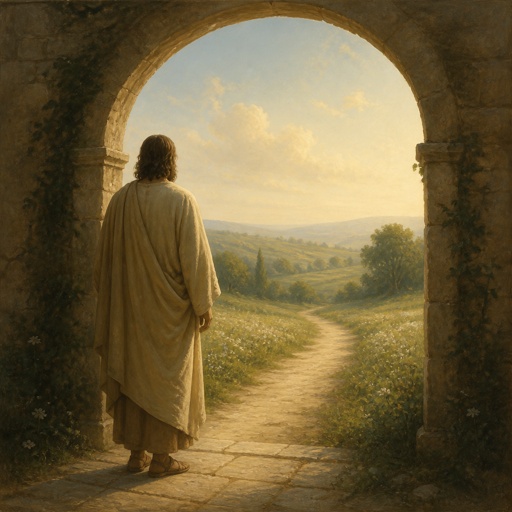
"And in this place again, If they shall enter into my rest." - Hebrews 4:5

Hebrews 13:1 - "Let brotherly love continue."

Hebrews 10:5 - "Wherefore when he cometh into the world, he saith, Sacrifice and offering thou wouldest not, but a body hast thou prepared me:"