What does Hebrews 12:9 mean?
"Furthermore we have had fathers of our flesh which corrected us, and we gave them reverence: shall we not much rather be in subjection unto the Father of spirits, and live?" - Hebrews 12:9
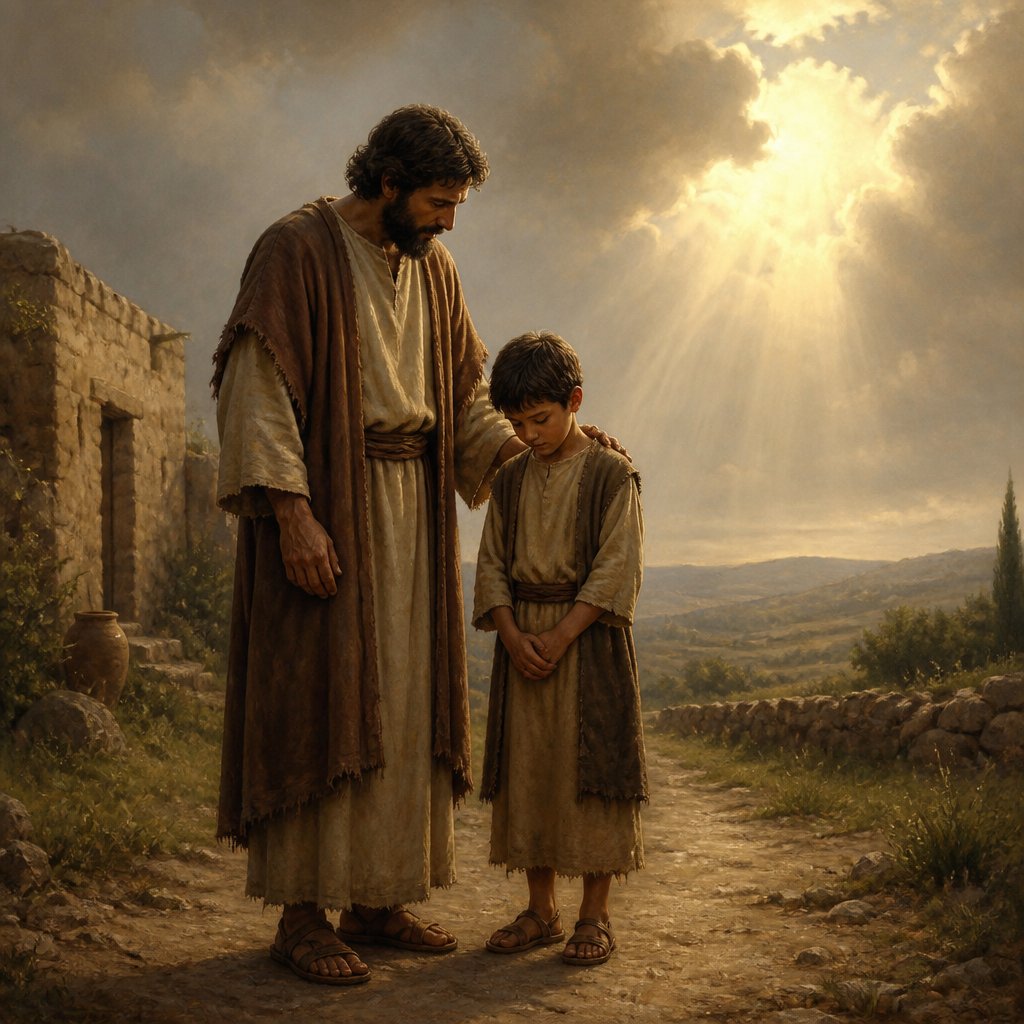
Hebrews 12:9 in the King James Version of the Bible reads, "Furthermore we have had fathers of our flesh which corrected us, and we gave them reverence: shall we not much rather be in subjection unto the Father of spirits, and live?"
This verse from the Book of Hebrews is a thought-provoking and instructive passage that delves into the concept of discipline and submission to God. The author of the Book of Hebrews addresses the early Christian community and encourages them to consider the discipline and correction they received from their earthly fathers. The comparison is made between the discipline of earthly fathers and the discipline of the heavenly Father, and how the latter should be regarded with much greater reverence and submission.
The verse begins by acknowledging the role of earthly fathers in the upbringing and correction of their children. The phrase "fathers of our flesh" refers to our biological fathers or the father figures in our lives who have disciplined and guided us. The author implies that these earthly fathers were deserving of respect and reverence for their actions of discipline and correction. This sets the stage for the comparison with the Father of spirits, who is God.
The second part of the verse poses a rhetorical question, "shall we not much rather be in subjection unto the Father of spirits, and live?" This question challenges the readers to consider the authority and discipline of God as being of greater significance and importance than that of their earthly fathers. The term "Father of spirits" emphasizes the nature of God as the creator and sustainer of all life, and the one who has ultimate authority over the spiritual realm.
The verse conveys the idea that just as children are expected to be in subjection to their earthly fathers, they should also demonstrate even greater reverence and submission to God, their spiritual Father. The word "subjection" suggests a willing and humble acknowledgment of God's authority and a readiness to yield to His guidance and correction. The phrase "and live" underscores the importance of this submission, implying that by being obedient to the Father of spirits, one can experience true spiritual life and fulfillment.
In a broader context, this verse is situated within the larger theme of discipline and endurance in the Christian life. The preceding verses in Hebrews 12 speak about the discipline of the Lord and how it is a demonstration of His love for His children. The author exhorts the readers to endure hardship as discipline, for it is a means of spiritual growth and maturity. This verse, therefore, emphasizes the importance of submitting to God's discipline as a way of embracing His fatherly care and guidance.
Furthermore, the verse also touches on the spiritual nature of humanity. The mention of the "Father of spirits" alludes to the spiritual dimension of human existence and underscores the idea that God is intimately concerned with the well-being of our innermost selves. It points to the notion that our relationship with God extends beyond the physical realm and encompasses the spiritual aspect of our being.
Symbolically, the verse presents the analogy of earthly fatherhood as a reflection of the divine Fatherhood. The discipline and correction provided by earthly fathers serve as a tangible example of the love and care that God extends to His children. It conveys the timeless truth that God's discipline, though sometimes challenging, is rooted in His deep love and desire for our spiritual growth and well-being.
In conclusion, Hebrews 12:9 offers a profound meditation on the nature of discipline, fatherhood, and submission to God. It challenges believers to recognize the ultimate authority and care of the Father of spirits and to embrace His discipline as a means of spiritual growth and life. The verse serves as a reminder of the profound love and concern that God has for His children, and the importance of willingly submitting to His guidance and correction.
Have questions about Hebrews 12:9?
Dive deeper into this scripture with Bible Chat — an AI-powered tool for exploring God's Word through conversation. Ask questions, get context, and grow in your understanding of the Bible.
Get Our Apps


Hebrews 12:9 Artwork

Hebrews 12:9 - "Furthermore we have had fathers of our flesh which corrected us, and we gave them reverence: shall we not much rather be in subjection unto the Father of spirits, and live?"
"Furthermore we have had fathers of our flesh which corrected us, and we gave them reverence: shall we not much rather be in subjection unto the Father of spirits, and live?" - Hebrews 12:9

Hebrews 9:12 - "Neither by the blood of goats and calves, but by his own blood he entered in once into the holy place, having obtained eternal redemption for us."

Hebrews 12:8

Hebrews 12:12 - "Wherefore lift up the hands which hang down, and the feeble knees;"

Hebrews 12:29 - "For our God is a consuming fire."

Hebrews 4:9 - "There remaineth therefore a rest to the people of God."

Hebrews 9:16 - "For where a testament is, there must also of necessity be the death of the testator."

Hebrews 7:12 - "For the priesthood being changed, there is made of necessity a change also of the law."

The Plague of Boils - Exodus 9:8-12.

Hebrews 9:18 - "Whereupon neither the first testament was dedicated without blood."

Hebrews 9:27 - "And as it is appointed unto men once to die, but after this the judgment:"
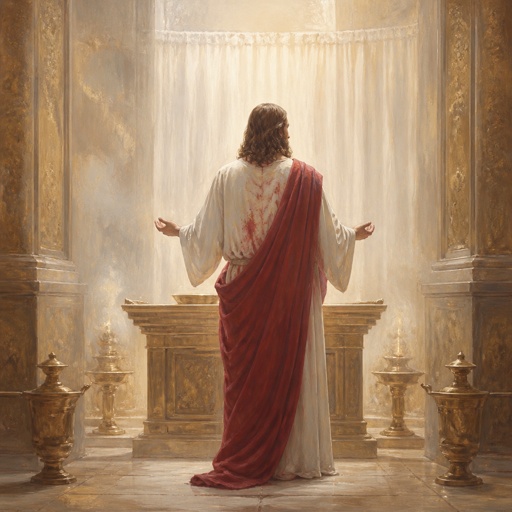
"Neither by the blood of goats and calves, but by his own blood he entered in once into the holy place, having obtained eternal redemption for us." - Hebrews 9:12

Hebrews 12:21 - "And so terrible was the sight, that Moses said, I exceedingly fear and quake:)"

Hebrews 12:4 - "Ye have not yet resisted unto blood, striving against sin."

Hebrews 4:12 – "For the word of God is alive and active. Sharper than any double-edged sword."

Hebrews 8:12 - "For I will be merciful to their unrighteousness, and their sins and their iniquities will I remember no more."

"For our God is a consuming fire." - Hebrews 12:29

Hebrews 9:3 - "And after the second veil, the tabernacle which is called the Holiest of all;"

Hebrews 9:9 - "Which was a figure for the time then present, in which were offered both gifts and sacrifices, that could not make him that did the service perfect, as pertaining to the conscience;"

Hebrews 4:12 – "For the word of God is alive and active. Sharper than any double-edged sword."
!["For our God [is] a consuming fire." - Hebrews 12:29](https://media.bible.art/d7477ab1-fc4c-4821-93d4-74621f3df94b-thumbnail.jpg)
"For our God [is] a consuming fire." - Hebrews 12:29

Hebrews 9:13 - "For if the blood of bulls and of goats, and the ashes of an heifer sprinkling the unclean, sanctifieth to the purifying of the flesh:"

Hebrews 9:20 - "Saying, This is the blood of the testament which God hath enjoined unto you."

Hebrews 9:21 - "Moreover he sprinkled with blood both the tabernacle, and all the vessels of the ministry."
!["For the word of God [is] quick, and powerful, and sharper than any twoedged sword, piercing even to the dividing asunder of soul and spirit, and of the joints and marrow, and [is] a discerner of the thoughts and intents of the heart." - Hebrews 4:12](https://media.bible.art/0705b859-7ae8-4ac8-9dce-49043e2ec43b-thumbnail.jpg)
"For the word of God [is] quick, and powerful, and sharper than any twoedged sword, piercing even to the dividing asunder of soul and spirit, and of the joints and marrow, and [is] a discerner of the thoughts and intents of the heart." - Hebrews 4:12

Hebrews 12:6 - "For whom the Lord loveth he chasteneth, and scourgeth every son whom he receiveth."

Hebrews 6:12 - "That ye be not slothful, but followers of them who through faith and patience inherit the promises."

Hebrews 9:17 - "For a testament is of force after men are dead: otherwise it is of no strength at all while the testator liveth."

Hebrews 9:2 - "For there was a tabernacle made; the first, wherein was the candlestick, and the table, and the shewbread; which is called the sanctuary."