What does Haggai 1:7 mean?
"¶ Thus saith the LORD of hosts; Consider your ways." - Haggai 1:7
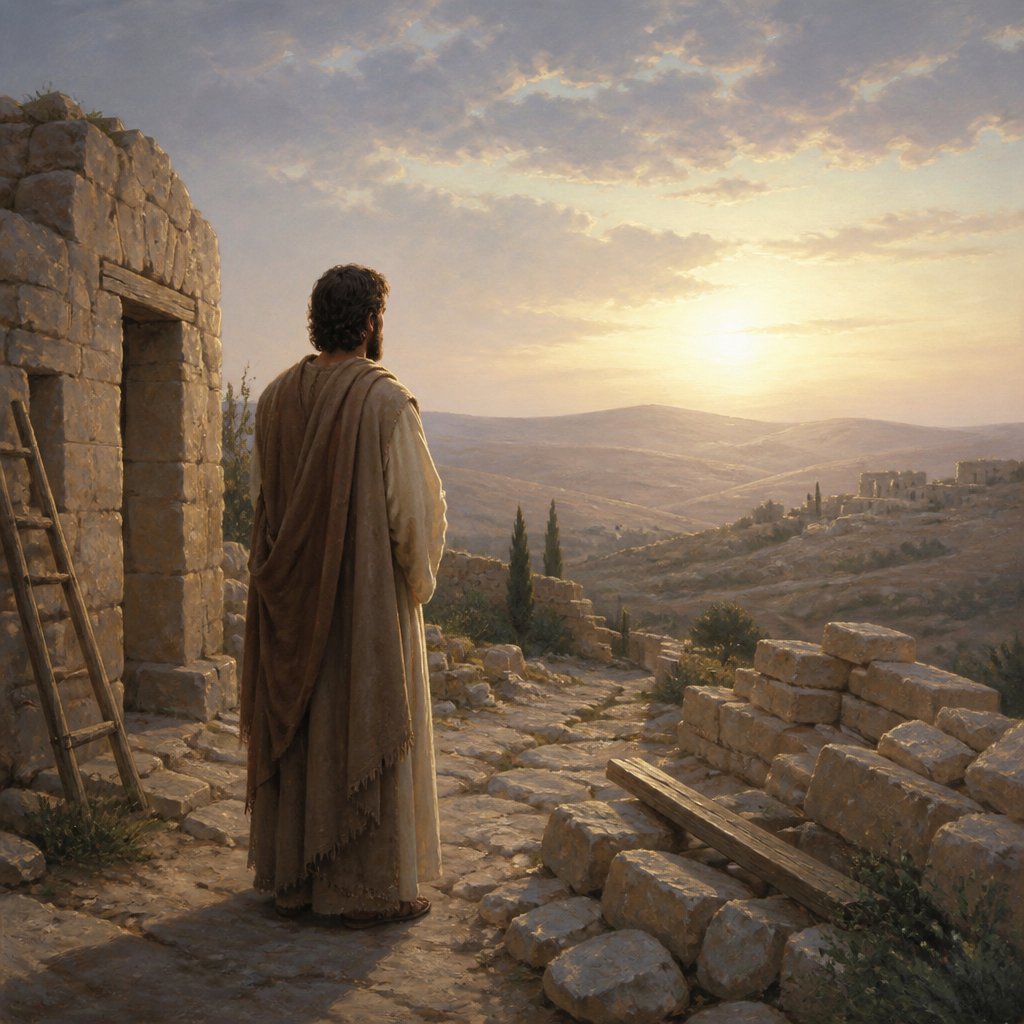
The verse Haggai 1:7 in the King James Version (KJV) of the Bible reads, "Thus saith the Lord of hosts; Consider your ways." This verse is taken from the book of Haggai in the Old Testament. To truly understand the meaning and importance of this verse, it is crucial to delve into the context in which it was spoken and the message it conveys.
The book of Haggai was written during a time of great turmoil and upheaval in the history of Israel. The Israelites had returned from exile in Babylon and were tasked with rebuilding their temple in Jerusalem. However, they became distracted and neglected this important task, choosing instead to focus on their own homes and personal gain. In response to this neglect, the prophet Haggai is sent by the Lord to rebuke the people and urge them to prioritize the rebuilding of the temple.
In Haggai 1:7, the Lord of hosts implores the people to "consider their ways." This is a poignant and powerful call to self-reflection and introspection. The Israelites are being asked to examine their conduct and choices, and to recognize the consequences of their actions. The Lord is challenging them to take a hard look at themselves and the path they have chosen, and to understand the reasons behind their current hardships and difficulties.
This verse serves as a reminder that our actions have consequences, and that we must be mindful of the way we live our lives. The Lord is urging the Israelites, and us by extension, to consider the path they have taken and to reevaluate their priorities. In doing so, they will come to understand the root cause of their troubles and will be able to make the necessary changes to rectify their situation.
The phrase "the Lord of hosts" used in this verse is significant as well. It emphasizes the authority and power of God. By invoking this title, the Lord is making it clear that His words are not to be taken lightly. His command for the people to consider their ways is not a mere suggestion, but a directive from the almighty God.
The theme of self-reflection and accountability runs deep in this verse. It serves as a timeless and universal message that is relevant to people of all times and places. It reminds us that we are responsible for our actions and choices, and that we must carefully consider the paths we take in life. Just as the Israelites were called to evaluate their priorities and realign them with the will of God, we too are urged to examine our own ways and ensure they are in line with His teachings.
In addition to its thematic significance, this verse also holds symbolic value. The call to "consider your ways" is symbolic of the need for spiritual renewal and revival. It signifies a turning point for the Israelites, a moment for them to reorient themselves towards God and His purposes. This symbol of self-examination and redirection is meaningful for all believers, as it prompts us to assess our spiritual walk and make any necessary adjustments to align ourselves more closely with God.
In conclusion, Haggai 1:7 is a powerful and compelling verse that carries a message of self-reflection, accountability, and spiritual renewal. It serves as a crucial reminder of the importance of prioritizing God and His will in our lives, and the need to regularly assess our conduct and choices. The directive to "consider your ways" remains relevant and impactful today, urging us to continually evaluate and realign our lives with the teachings of the Lord.
Have questions about Haggai 1:7?
Dive deeper into this scripture with Bible Chat — an AI-powered tool for exploring God's Word through conversation. Ask questions, get context, and grow in your understanding of the Bible.
Get Our Apps


Haggai 1:7 Artwork

Haggai 1:7 - "¶ Thus saith the LORD of hosts; Consider your ways."
"¶ Thus saith the LORD of hosts; Consider your ways." - Haggai 1:7

Haggai 1:3 - "Then came the word of the LORD by Haggai the prophet, saying,"

Haggai 2:1 - "In the seventh month, in the one and twentieth day of the month, came the word of the LORD by the prophet Haggai, saying,"
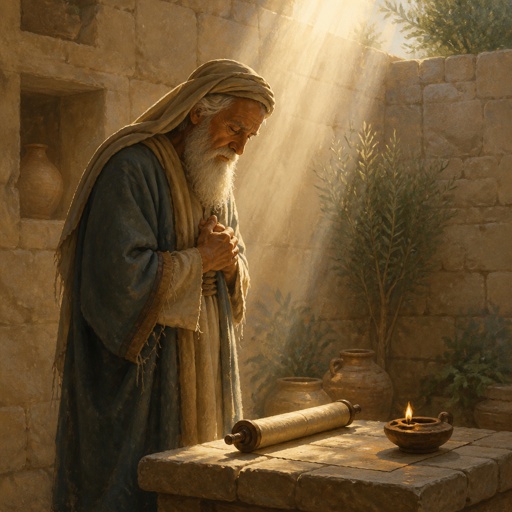
"Then came the word of the LORD by Haggai the prophet, saying," - Haggai 1:3

Haggai 1:13 - "Then spake Haggai the LORD'S messenger in the LORD'S message unto the people, saying, I am with you, saith the LORD."

Haggai 1:1 - "In the second year of Darius the king, in the sixth month, in the first day of the month, came the word of the LORD by Haggai the prophet unto Zerubbabel the son of Shealtiel, governor of Judah, and to Joshua the son of Josedech, the high priest, saying,"

Haggai 2:9

Flow chart of Haggai 1:1-15

Haggai 1:5 - "Now therefore thus saith the LORD of hosts; Consider your ways."
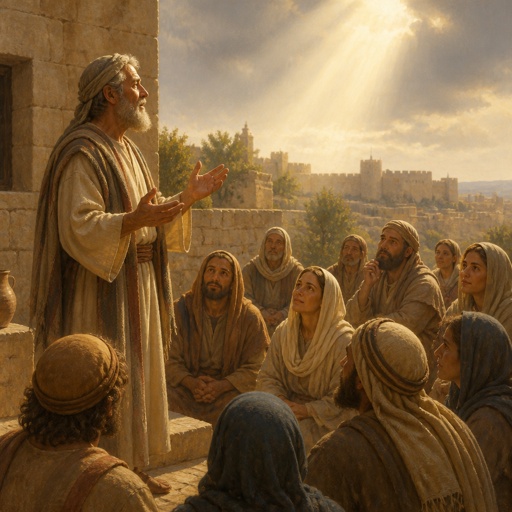
"Then spake Haggai the LORD'S messenger in the LORD'S message unto the people, saying, I am with you, saith the LORD." - Haggai 1:13

Haggai 2:6-7 – "This is what the Lord Almighty says: 'In a little while I will once more shake the heavens and the earth, the sea and the dry land.'"
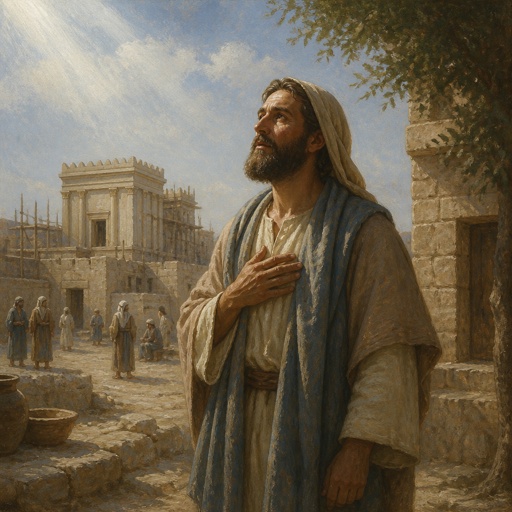
"In the seventh month, in the one and twentieth day of the month, came the word of the LORD by the prophet Haggai, saying," - Haggai 2:1

Haggai 2:7 - "And I will shake all nations, and the desire of all nations shall come: and I will fill this house with glory, saith the LORD of hosts."

Haggai 1:4 - "Is it time for you, O ye, to dwell in your cieled houses, and this house lie waste?"

Haggai 1:12 - "¶ Then Zerubbabel the son of Shealtiel, and Joshua the son of Josedech, the high priest, with all the remnant of the people, obeyed the voice of the LORD their God, and the words of Haggai the prophet, as the LORD their God had sent him, and the people did fear before the LORD."
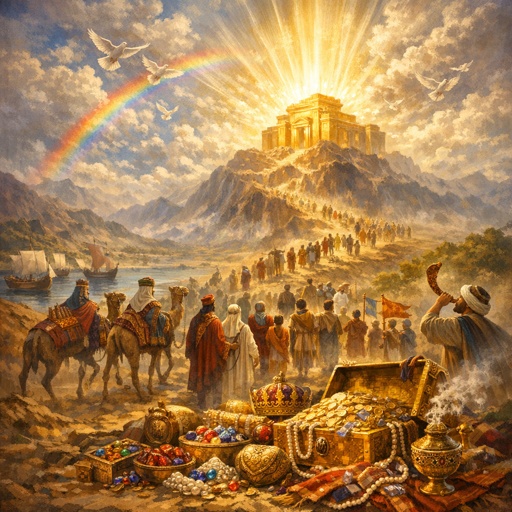
"And I will shake all nations, and the desire of all nations shall come: and I will fill this house with glory, saith the LORD of hosts." - Haggai 2:7

Haggai 1:10 - "Therefore the heaven over you is stayed from dew, and the earth is stayed from her fruit."

Haggai 1:15 - "In the four and twentieth day of the sixth month, in the second year of Darius the king."

Haggai 1:8 - "Go up to the mountain, and bring wood, and build the house; and I will take pleasure in it, and I will be glorified, saith the LORD."

Haggai 1:2 - "Thus speaketh the LORD of hosts, saying, This people say, The time is not come, the time that the LORD'S house should be built."

Ezra 5:1 - "Then the prophets, Haggai the prophet, and Zechariah the son of Iddo, prophesied unto the Jews that were in Judah and Jerusalem in the name of the God of Israel, even unto them."
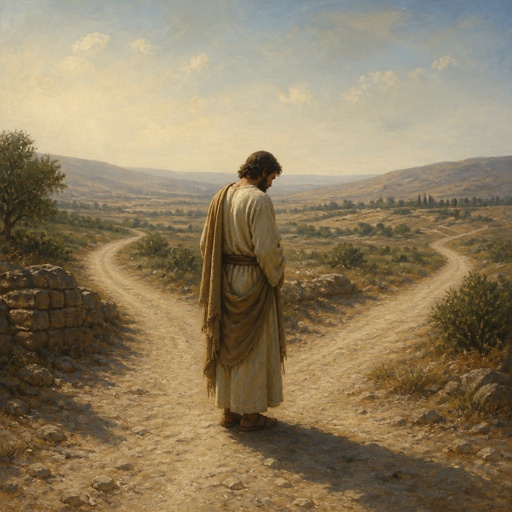
"Now therefore thus saith the LORD of hosts; Consider your ways." - Haggai 1:5
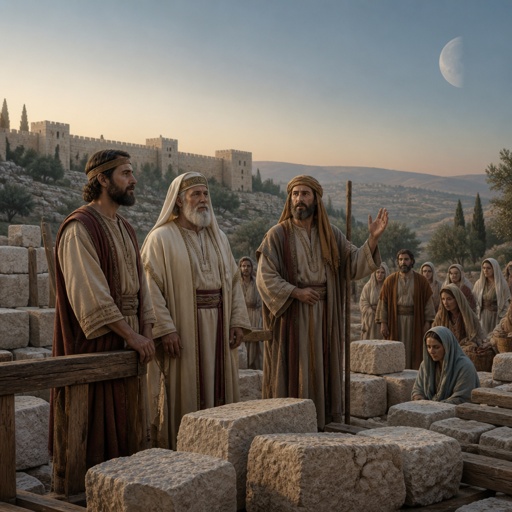
"In the four and twentieth day of the sixth month, in the second year of Darius the king." - Haggai 1:15
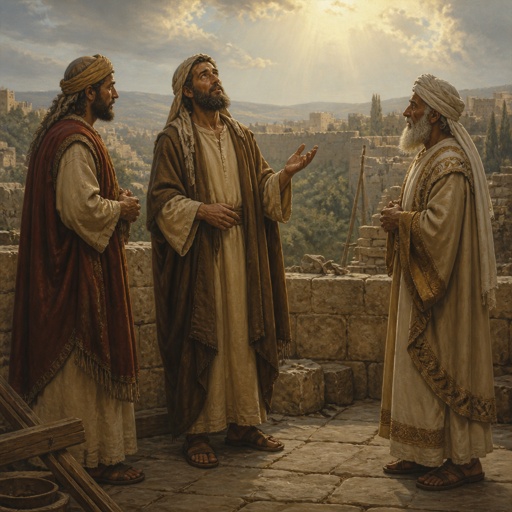
"In the second year of Darius the king, in the sixth month, in the first day of the month, came the word of the LORD by Haggai the prophet unto Zerubbabel the son of Shealtiel, governor of Judah, and to Joshua the son of Josedech, the high priest, saying," - Haggai 1:1
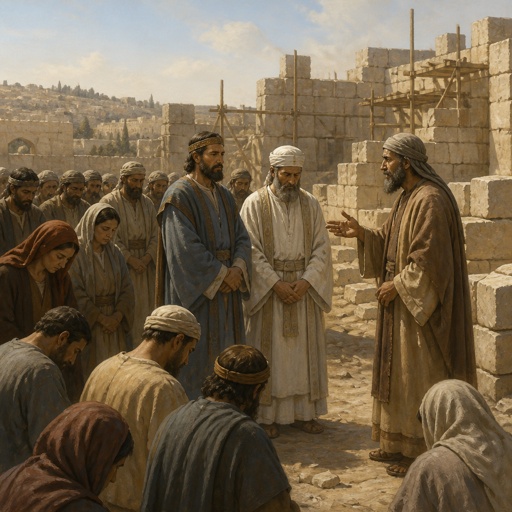
"¶ Then Zerubbabel the son of Shealtiel, and Joshua the son of Josedech, the high priest, with all the remnant of the people, obeyed the voice of the LORD their God, and the words of Haggai the prophet, as the LORD their God had sent him, and the people did fear before the LORD." - Haggai 1:12
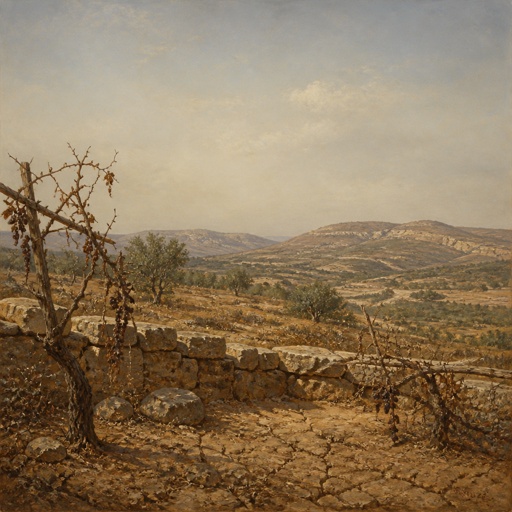
"Therefore the heaven over you is stayed from dew, and the earth is stayed from her fruit." - Haggai 1:10
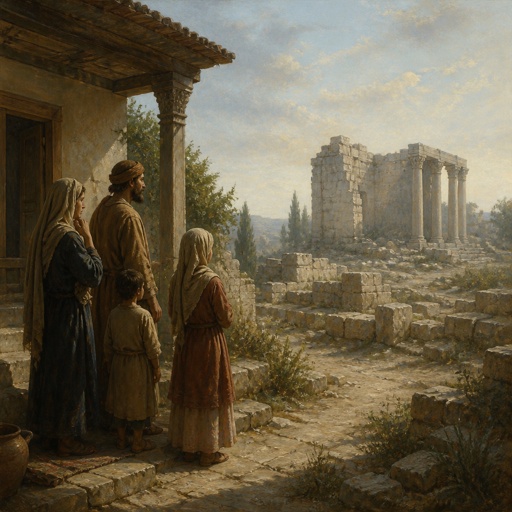
"Is it time for you, O ye, to dwell in your cieled houses, and this house lie waste?" - Haggai 1:4
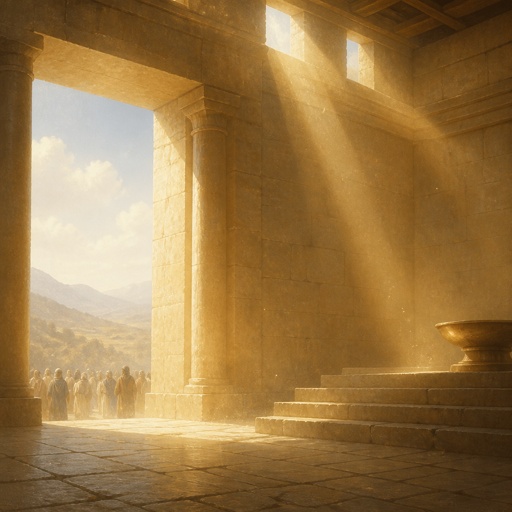
"And I will shake all nations, and the desire of all nations shall come: and I will fill this house with glory, saith the LORD of hosts." - Haggai 2:7

Haggai 1:14 - "And the LORD stirred up the spirit of Zerubbabel the son of Shealtiel, governor of Judah, and the spirit of Joshua the son of Josedech, the high priest, and the spirit of all the remnant of the people; and they came and did work in the house of the LORD of hosts, their God,"