What does Habakkuk 3:17 mean?
"¶ Although the fig tree shall not blossom, neither shall fruit be in the vines; the labour of the olive shall fail, and the fields shall yield no meat; the flock shall be cut off from the fold, and there shall be no herd in the stalls:" - Habakkuk 3:17
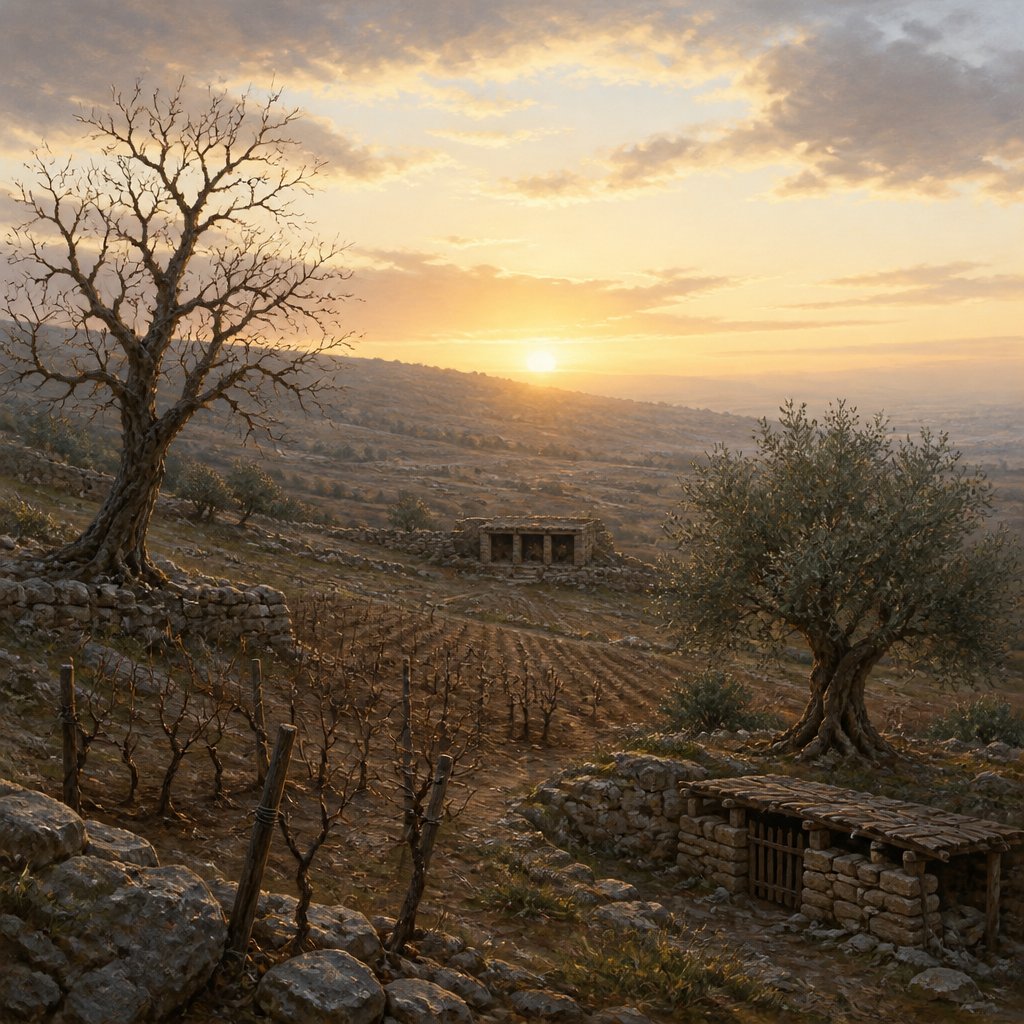
Habakkuk 3:17 in the King James Version of the Bible states, "Although the fig tree shall not blossom, neither shall fruit be in the vines; the labour of the olive shall fail, and the fields shall yield no meat; the flock shall be cut off from the fold, and there shall be no herd in the stalls." This verse comes from the Book of Habakkuk in the Old Testament, which is a collection of prophecies and prayers. The book is named after its author, Habakkuk, who was a prophet in ancient Israel.
The verse comes at the conclusion of a prayer in which Habakkuk, in the midst of turmoil and impending destruction, chooses to trust in God's sovereignty and goodness. The verse paints a picture of utter desolation and scarcity. The fig tree, vines, and olive trees are all barren, and there is no produce from the fields. The flocks and herds are gone, and there is no sustenance to be found.
This verse reflects a theme of despair and hopelessness. In the face of such devastation, it can be easy to lose faith and succumb to despair. However, this verse also carries a powerful message of trust and reliance on God. Despite the bleak circumstances, Habakkuk's prayer demonstrates his unwavering faith that God will provide and sustain him.
The context of the verse is crucial to understanding its significance. The Book of Habakkuk was written during a tumultuous period in Israel's history. The nation was facing the imminent threat of invasion and destruction by the Babylonians. Habakkuk was grappling with the injustice and violence he witnessed, and he cried out to God for answers. The verse represents a turning point in Habakkuk's prayer, as he resolves to trust in God's faithfulness and sovereignty, even in the face of impending calamity.
The symbolism in this verse is rich and profound. The imagery of the barren fig tree, vines, and olive trees conveys a sense of desolation and hopelessness. These were symbols of prosperity and abundance in ancient Israel, and their barrenness represents the loss of God's blessings. The absence of fruit in the fields and the loss of the flocks and herds further emphasize the dire circumstances. However, in the midst of this despair, the verse also represents the promise of God's provision and sustenance. It points to the idea that even in the most desolate times, God is still present and able to provide for His people.
The message of this verse is timeless and universal. It speaks to the human experience of facing adversity and feeling overwhelmed by the trials of life. The verse challenges us to trust in God's sovereignty and goodness, even when the world around us seems to be falling apart. It reminds us that God's faithfulness is not dependent on our circumstances, but rather on His unchanging nature.
In conclusion, Habakkuk 3:17 is a powerful and poignant verse that captures the essence of faith in the midst of despair. It illustrates the unwavering trust of the prophet Habakkuk in the face of impending destruction and scarcity. The verse carries a message of hope and resilience, reminding us that even in the darkest times, God is still in control and able to provide for His people. It is a timeless expression of faith that continues to resonate with readers today.
Have questions about Habakkuk 3:17?
Dive deeper into this scripture with Bible Chat — an AI-powered tool for exploring God's Word through conversation. Ask questions, get context, and grow in your understanding of the Bible.
Get Our Apps


Habakkuk 3:17 Artwork

Habakkuk 3:17 - "¶ Although the fig tree shall not blossom, neither shall fruit be in the vines; the labour of the olive shall fail, and the fields shall yield no meat; the flock shall be cut off from the fold, and there shall be no herd in the stalls:"

Habakkuk 3:17-18 - "Though the fig tree does not bud and there are no grapes on the vines, though the olive crop fails and the fields produce no food, though there are no sheep in the pen and no cattle in the stalls, yet I will rejoice in the LORD, I will be joyful in God my Savior."
"¶ Although the fig tree shall not blossom, neither shall fruit be in the vines; the labour of the olive shall fail, and the fields shall yield no meat; the flock shall be cut off from the fold, and there shall be no herd in the stalls:" - Habakkuk 3:17
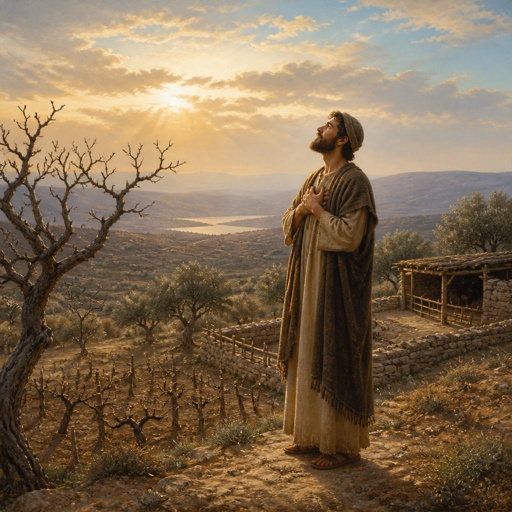
"Though the fig tree does not bud and there are no grapes on the vines, though the olive crop fails and the fields produce no food, though there are no sheep in the pen and no cattle in the stalls, yet I will rejoice in the LORD, I will be joyful in God my Savior." - Habakkuk 3:17-18

Habakkuk 3:1 - "A prayer of Habakkuk the prophet upon Shigionoth."

"A prayer of Habakkuk the prophet upon Shigionoth." - Habakkuk 3:1

"A prayer of Habakkuk the prophet upon Shigionoth." - Habakkuk 3:1

Habakkuk 2:1-3

Habakkuk 1:17 - "Shall they therefore empty their net, and not spare continually to slay the nations?"

Habakkuk 3:18 - "Yet I will rejoice in the LORD, I will joy in the God of my salvation."

Habakkuk 3:12 - "Thou didst march through the land in indignation, thou didst thresh the heathen in anger."

"God came from Teman, and the Holy One from mount Paran. Selah. His glory covered the heavens, and the earth was full of his praise." - Habakkuk 3:3

Habakkuk 3:5 - "Before him went the pestilence, and burning coals went forth at his feet."

Habakkuk 3:7 - "I saw the tents of Cushan in affliction: and the curtains of the land of Midian did tremble."

Habakkuk 3:11 - "The sun and moon stood still in their habitation: at the light of thine arrows they went, and at the shining of thy glittering spear."

Habakkuk 3:15 - "Thou didst walk through the sea with thine horses, through the heap of great waters."

Habakkuk 3:3 - "God came from Teman, and the Holy One from mount Paran. Selah. His glory covered the heavens, and the earth was full of his praise."
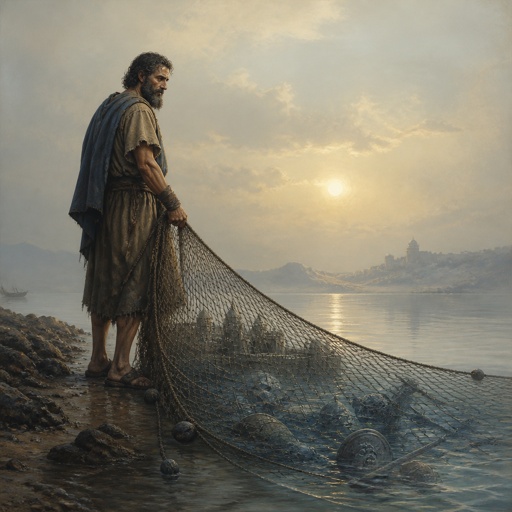
"Shall they therefore empty their net, and not spare continually to slay the nations?" - Habakkuk 1:17

Habakkuk 2:3 - "For the vision is yet for an appointed time, but at the end it shall speak, and not lie: though it tarry, wait for it; because it will surely come, it will not tarry."

Habakkuk 3:4 - "And his brightness was as the light; he had horns coming out of his hand: and there was the hiding of his power."
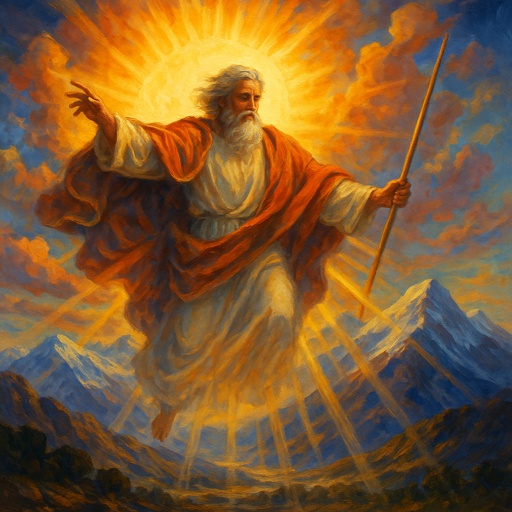
"God came from Teman, and the Holy One from mount Paran. Selah. His glory covered the heavens, and the earth was full of his praise." - Habakkuk 3:3

Habakkuk 3:10 - "The mountains saw thee, and they trembled: the overflowing of the water passed by: the deep uttered his voice, and lifted up his hands on high."

Habakkuk 2:17 - "For the violence of Lebanon shall cover thee, and the spoil of beasts, which made them afraid, because of men's blood, and for the violence of the land, of the city, and of all that dwell therein."

Habakkuk 3:9 - "Thy bow was made quite naked, according to the oaths of the tribes, even thy word. Selah. Thou didst cleave the earth with rivers."

habakkuk 3:15 You walked through the sea with Your horses, Through the heap of great waters.

"The sun and moon stood still in their habitation: at the light of thine arrows they went, and at the shining of thy glittering spear." - Habakkuk 3:11

"The sun and moon stood still in their habitation: at the light of thine arrows they went, and at the shining of thy glittering spear." - Habakkuk 3:11

Habakkuk 3:14 - "Thou didst strike through with his staves the head of his villages: they came out as a whirlwind to scatter me: their rejoicing was as to devour the poor secretly."

Habakkuk 1:3 - "Why dost thou shew me iniquity, and cause me to behold grievance? for spoiling and violence are before me: and there are that raise up strife and contention."

Habakkuk 3:6 - "He stood, and measured the earth: he beheld, and drove asunder the nations; and the everlasting mountains were scattered, the perpetual hills did bow: his ways are everlasting."