What does Genesis 6:4 mean?
"There were giants in the earth in those days; and also after that, when the sons of God came in unto the daughters of men, and they bare children to them, the same became mighty men which were of old, men of renown." - Genesis 6:4
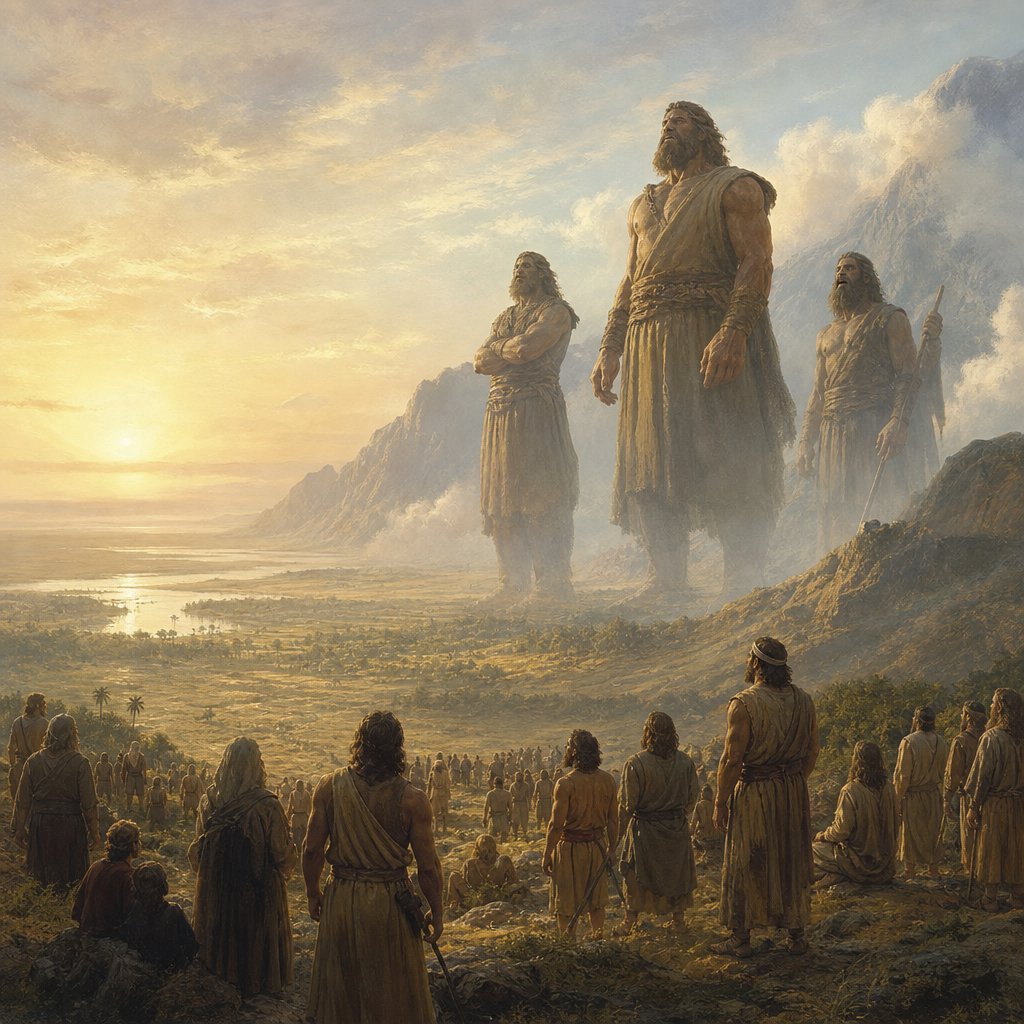
Genesis 6:4 (KJV) - "There were giants in the earth in those days; and also after that, when the sons of God came in unto the daughters of men, and they bare children to them, the same became mighty men which were of old, men of renown."
This particular verse from the Book of Genesis has sparked much debate and interpretation over the centuries due to its cryptic nature. The verse talks about the presence of giants on the earth during ancient times, and the intermingling of the "sons of God" with the "daughters of men," resulting in the birth of "mighty men" and "men of renown."
To understand the meaning and significance of Genesis 6:4, we must first look at the context in which it is situated. The preceding verses in Genesis 6 describe how the wickedness of mankind had increased on the earth, leading God to regret creating man and deciding to bring a flood to destroy all living creatures. However, Noah found favor in the eyes of the Lord and was instructed to build an ark to save himself, his family, and pairs of all living creatures.
The verse serves as a prelude to the story of the Great Flood, offering a glimpse into the state of the world before the catastrophic event. The mention of giants and the interbreeding of the "sons of God" with the "daughters of men" adds to the mysterious and otherworldly atmosphere of the narrative.
One interpretation of this verse is that it refers to a time when there were larger-than-life beings on the earth, commonly interpreted as physical giants. This has led to speculations about the existence of actual giants in the ancient world and has sparked debates about the historical accuracy of this claim. Some scholars and theologians argue that the mention of giants should be understood in a metaphorical or symbolic sense, representing powerful and influential figures in ancient times.
The phrase "sons of God" in the verse has also been a subject of debate. While some interpret it to mean angelic beings or divine entities, others argue that it refers to the descendants of Seth (the third son of Adam and Eve) or to righteous individuals who were faithful to God. The "daughters of men" are often seen as the female descendants of Cain, who had turned away from God's ways.
The intermingling of the "sons of God" with the "daughters of men" is a point of contention among scholars, with various interpretations put forward. Some believe it refers to angelic beings mating with human women, leading to the birth of powerful and renowned offspring. Others see it as a metaphor for the corruption of the godly line of Seth by the ungodly line of Cain, leading to a moral decline and the rise of powerful and boastful rulers.
The resultant offspring, described as "mighty men" and "men of renown," are seen as figures who possessed exceptional strength, skills, or leadership qualities, and who gained widespread fame and renown in the ancient world. This interpretation emphasizes the consequences of the intermingling and the rise of influential figures who played significant roles in shaping the course of human history.
The themes that emerge from Genesis 6:4 include the corruption of mankind, the consequences of moral decay, and the existence of powerful and influential figures in ancient times. The verse serves as a warning about the dangers of moral and spiritual compromise and the potential for great evil to arise from such compromise.
In a broader theological context, Genesis 6:4 can be seen as part of the larger narrative of God's judgment and mercy. The subsequent verses in Genesis describe the coming of the Great Flood as a response to the wickedness of mankind, while also highlighting God's grace in sparing Noah and his family. This sets the stage for the renewal of the earth and the establishment of a new covenant with humanity.
Symbolically, the presence of giants and the intermingling of the "sons of God" with the "daughters of men" can be interpreted as a reflection of the ongoing battle between good and evil, the corrupting influence of sin, and the enduring need for divine intervention and restoration.
In conclusion, Genesis 6:4 is a verse that has fascinated and intrigued readers for centuries. Its cryptic and enigmatic language has led to a variety of interpretations and debates about the presence of giants, the intermingling of divine and human beings, and the implications for the course of human history. Ultimately, the verse serves as a reminder of the consequences of moral compromise and the ongoing struggle between good and evil, while also pointing towards themes of judgment, mercy, and renewal in the larger biblical narrative.
Have questions about Genesis 6:4?
Dive deeper into this scripture with Bible Chat — an AI-powered tool for exploring God's Word through conversation. Ask questions, get context, and grow in your understanding of the Bible.
Get Our Apps


Genesis 6:4 Artwork

Genesis 6:4

Genesis 6: 4

Genesis 6:4 - "There were giants in the earth in those days; and also after that, when the sons of God came in unto the daughters of men, and they bare children to them, the same became mighty men which were of old, men of renown."

Genesis 6:4 - "There were giants in the earth in those days; and also after that, when the sons of God came in unto the daughters of men, and they bare children to them, the same became mighty men which were of old, men of renown."
"There were giants in the earth in those days; and also after that, when the sons of God came in unto the daughters of men, and they bare children to them, the same became mighty men which were of old, men of renown." - Genesis 6:4

Genesis 4:6 - "And the LORD said unto Cain, Why art thou wroth? and why is thy countenance fallen?"
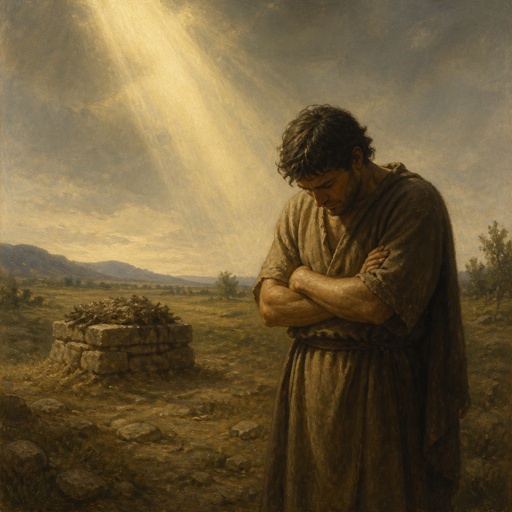
"And the LORD said unto Cain, Why art thou wroth? and why is thy countenance fallen?" - Genesis 4:6

Genesis 1:6-8

Genesis 1:6-8

Genesis 29-6

Genesis 18-6

Genesis 19-6

Genesis 17:6

Genesis 23-6

Genesis 18-6

Genesis 16:6

Genesis 25-6

Genesis 20-6

Genesis 21-6

genesis 22:6

Genesis chapter 6

Genesis 24-6

Genesis 22:6

Genesis 6:6 - "And it repented the LORD that he had made man on the earth, and it grieved him at his heart."

Genesis 23-4

Genesis 20-4

Genesis 21-4

Genesis 17:4

Genesis 22-4

Genesis 18-4