What does Genesis 5:28 mean?
"¶ And Lamech lived an hundred eighty and two years, and begat a son:" - Genesis 5:28
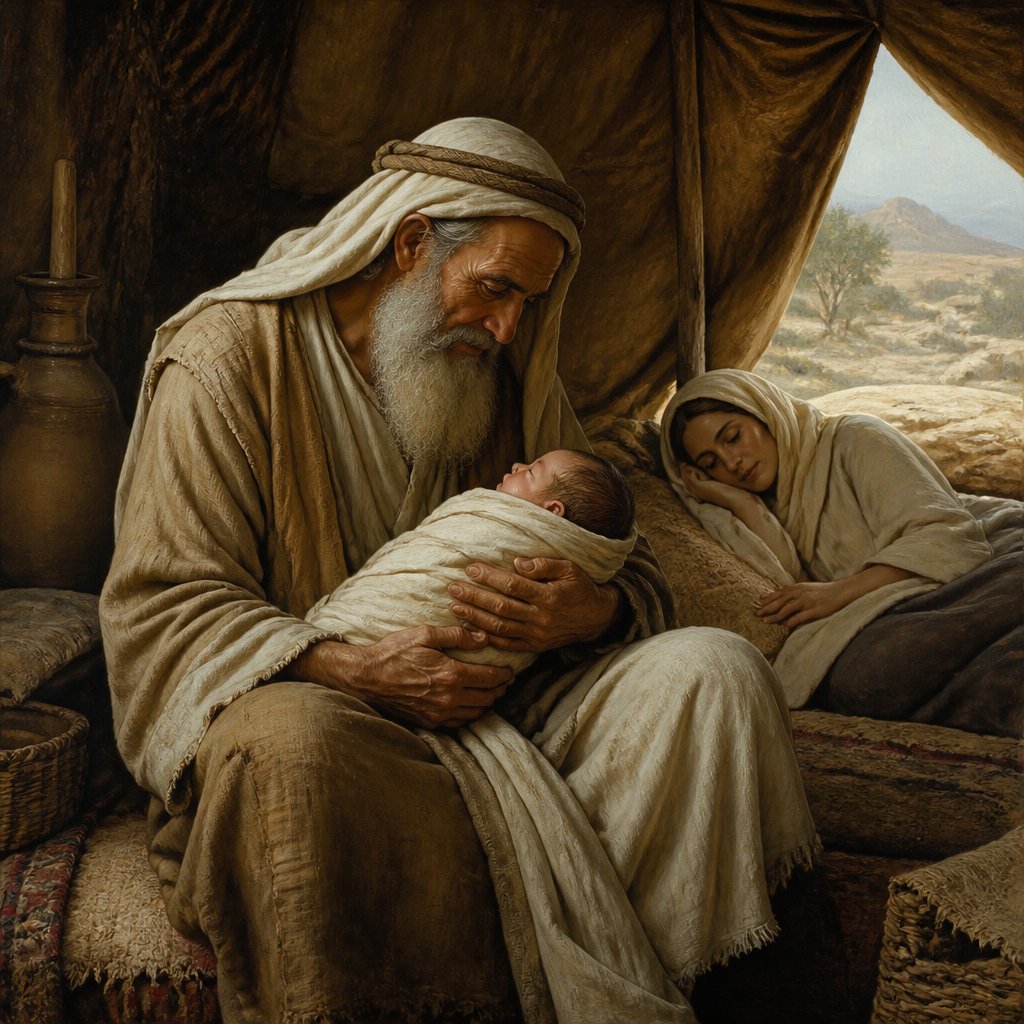
Genesis 5:28 in the King James Version of the Bible reads, "And Lamech lived an hundred eighty and two years, and begat a son." This verse is part of a genealogy recorded in Genesis 5, which traces the lineage of Adam, the first man, through his descendants.
The book of Genesis is the first book of the Bible and sets the stage for the rest of the biblical narrative. It begins with the creation of the world and the first humans, Adam and Eve. As the story unfolds, it addresses themes of human nature, sin, and redemption, as well as the establishment of covenants and the chosen people of God, which ultimately lead to the birth of Jesus Christ and the salvation of humanity.
The genealogy in Genesis 5 serves several important purposes within the larger context of the book and the biblical narrative as a whole. First, it establishes a link between the first humans and the subsequent generations, providing a sense of continuity and lineage. This highlights the idea of God's ongoing involvement in the lives of his people throughout history, creating a common thread that runs through the entire Bible.
Second, the genealogy serves as a historical record, preserving the names and ages of the individuals who played key roles in the unfolding of God's plan. This emphasis on history and lineage underscores the importance of remembering and honoring the past, recognizing the foundation upon which future generations will build.
In the specific context of Genesis 5:28, the focus is on Lamech, who is noted for living to the age of 182 and fathering a son. In the larger genealogy, Lamech is the son of Methuselah and the father of Noah, who will play a pivotal role in the story of the Great Flood. This verse serves as a pivotal moment in the genealogy, marking the passing of the torch from one generation to the next and setting the stage for the events that will follow.
One of the key themes that emerges from this verse and the surrounding genealogy is the passage of time and the continuity of life. Each individual mentioned in the genealogy is noted for the length of their life, providing a clear sense of the passage of time and the unfolding of generations. This highlights the idea of the interconnectedness of humanity and the way in which each generation builds upon the legacy of those who came before.
Furthermore, the genealogy in Genesis 5 serves as a reminder of the impact of individual choices on the course of history. Each of the individuals mentioned in the genealogy had a role to play in the broader narrative of God's plan, and their decisions and actions had far-reaching consequences. Lamech's decision to father a son, for example, sets in motion a chain of events that will ultimately lead to the salvation of humanity through the story of Noah and the Great Flood.
Symbolically, the genealogy in Genesis 5 can be seen as representing the persistence of God's plan throughout history, despite the flaws and failings of humanity. The ages of the individuals mentioned in the genealogy are a reminder of the enduring nature of God's promises and the way in which his plan unfolds over the course of generations. This serves as a source of hope and encouragement, reminding believers of the greater purpose at work in the world, even in the midst of challenging times.
In conclusion, Genesis 5:28 and the larger genealogy in which it is situated serve as a vital link in the broader narrative of the Bible, highlighting themes of continuity, history, and the enduring nature of God's plan. As part of the larger context of Genesis and the biblical narrative as a whole, this verse plays a crucial role in setting the stage for the events that will follow and in emphasizing the interconnectedness of humanity throughout history.
Have questions about Genesis 5:28?
Dive deeper into this scripture with Bible Chat — an AI-powered tool for exploring God's Word through conversation. Ask questions, get context, and grow in your understanding of the Bible.
Get Our Apps


Genesis 5:28 Artwork

Genesis 5:28 - "¶ And Lamech lived an hundred eighty and two years, and begat a son:"
"¶ And Lamech lived an hundred eighty and two years, and begat a son:" - Genesis 5:28

Genesis 28:5 - "And Isaac sent away Jacob: and he went to Padan-aram unto Laban, son of Bethuel the Syrian, the brother of Rebekah, Jacob's and Esau's mother."

Genesis 28:5 KJV And Isaac sent away Jacob: and he went to Padan–aram unto Laban, son of Bethuel the Syrian, the brother of Rebekah, Jacob's and Esau's mother.

Genesis 28-15

Genesis 28-12

Genesis 28-16

Genesis 28-21

Genesis 28-22

Genesis 28-17

Genesis 21:28

Genesis 28:18

Genesis 24:28

Genesis 28:18

Genesis 28-20

Genesis 28-13

Genesis 28-19

Genesis 28-14

Genesis 28-11

Genesis 19-28

Genesis 28:10

Genesis 18-28

Genesis 28:5 KJV And Isaac sent away Jacob: and he went to Padan–aram unto Laban, son of Bethuel the Syrian, the brother of Rebekah, Jacob's and Esau's mother.

Genesis 10:28 - "And Obal, and Abimael, and Sheba,"

Genesis 36:28 - "The children of Dishan are these; Uz, and Aran."

John 5:28

John 5:28

John 5:28

Genesis 35:28 - "And the days of Isaac were an hundred and fourscore years."

Genesis 21:28 - "And Abraham set seven ewe lambs of the flock by themselves."