What does Genesis 5:14 mean?
"And all the days of Cainan were nine hundred and ten years: and he died." - Genesis 5:14
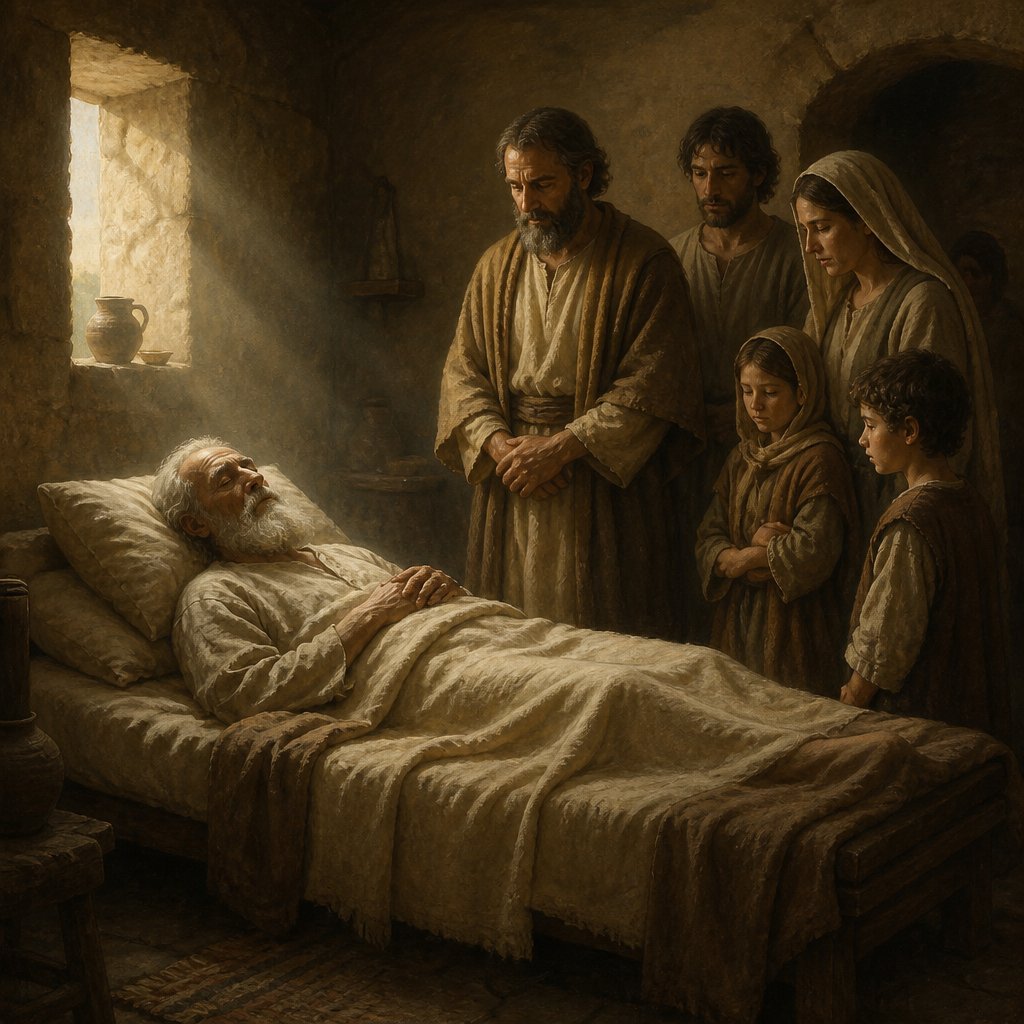
"Genesis 5:14 - And all the days of Cainan were nine hundred and ten years: and he died."
Genesis 5:14 is a brief verse in the Book of Genesis, which is the first book of the Bible. It is a part of the genealogy of Adam, the first man created by God. This verse specifically refers to the lineage of Cainan, who was the son of Enos, the grandson of Seth, and the great-grandson of Adam. The entire chapter of Genesis 5 provides a detailed account of the descendants of Adam through Seth, and the ages at which they lived and died.
The significance of this verse lies not only in the recording of the length of Cainan's life, but also in its contextual and symbolic meanings.
In the broader context of the Book of Genesis, the genealogy presented in chapter 5 serves as a bridge from the creation of the world to the account of Noah and the flood in chapter 6. It emphasizes the passing down of life and the continuation of the human race. Each name and the accompanying years of their lives represent the continuity and legacy of humanity, and ultimately connects to the fulfillment of God's promise to Abraham and the nation of Israel.
The specific mention of the age at which Cainan died, at nine hundred and ten years, may seem unusual or even unbelievable to a modern reader. However, in the context of Genesis and the early parts of the Bible, these long lifespans were not uncommon. The extended longevity of these early figures can be seen as a reflection of God's original design for humanity in the Garden of Eden, before sin and its consequences brought mortality and the eventual shortening of human lifespan.
From a symbolic perspective, the number nine hundred and ten holds significance in the Bible. The number nine is often associated with completeness and finality, while the number ten is representative of perfection and divine order. In the case of Cainan's lifespan, it can be seen as a statement of the fulfillment of his purpose and a completion of his earthly journey in the divine order of God's plan.
Furthermore, the mention of Cainan's death serves as a reminder of the inherent mortality of humanity. It prompts readers to reflect on the brevity and fragility of life, and the importance of living a life that is pleasing to God. This theme of mortality and the fleeting nature of life is a recurring motif throughout the Bible, serving as a reminder for individuals to seek a meaningful relationship with God and to live in accordance with His will.
In summary, Genesis 5:14, with its seemingly straightforward account of Cainan's lifespan and death, holds deeper significance within the broader context of the Bible. It connects the lineage of Adam to subsequent events in the Old Testament, and symbolically conveys themes of human mortality and the importance of living in accordance with God's will. Ultimately, this verse serves as a part of the rich tapestry of biblical narratives that provide insights into the nature of humanity and its relationship with the divine.
Have questions about Genesis 5:14?
Dive deeper into this scripture with Bible Chat — an AI-powered tool for exploring God's Word through conversation. Ask questions, get context, and grow in your understanding of the Bible.
Get Our Apps


Genesis 5:14 Artwork

Genesis 5:14 - "And all the days of Cainan were nine hundred and ten years: and he died."
"And all the days of Cainan were nine hundred and ten years: and he died." - Genesis 5:14

Genesis 14:5 - "And in the fourteenth year came Chedorlaomer, and the kings that were with him, and smote the Rephaims in Ashteroth Karnaim, and the Zuzims in Ham, and the Emims in Shaveh Kiriathaim,"
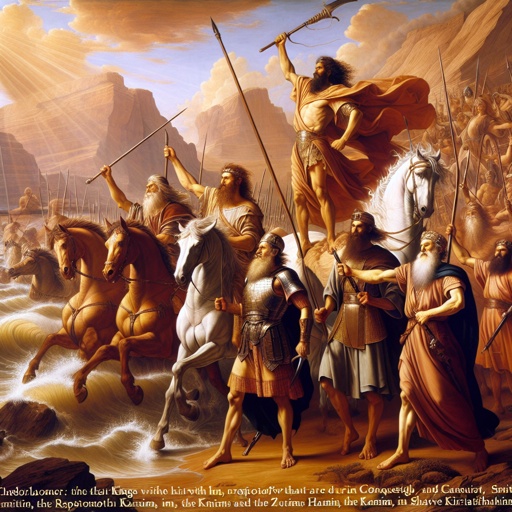
Genesis 14:5 And in the fourteenth year came Chedorlaomer, and the kings that were with him, and smote the Rephaims in Ashteroth Karnaim, and the Zuzims in Ham, and the Emims in Shaveh Kiriathaim,

Genesis 22 14

Genesis 19-14

Genesis 21:14

Genesis 15:14

Genesis 22-14

Genesis 25-14

Genesis 23-14

Genesis 24-14

Genesis 17-14

Genesis 16:14

Genesis 20-14

Genesis 28-14

Genesis 18-14

Genesis 25:14 - "And Mishma, and Dumah, and Massa,"

Genesis 18:9-14

Genesis 1:10-14

Genesis 18:1-14

Genesis 14:1-2

Genesis 18:11-14

Genesis 22:1-14

Genesis 24:5

Genesis 27:5

Genesis 17:5

Genesis 20-5

Genesis 11:5

Genesis 22-5