What does Genesis 5:1 mean?
"This is the book of the generations of Adam. In the day that God created man, in the likeness of God made he him;" - Genesis 5:1
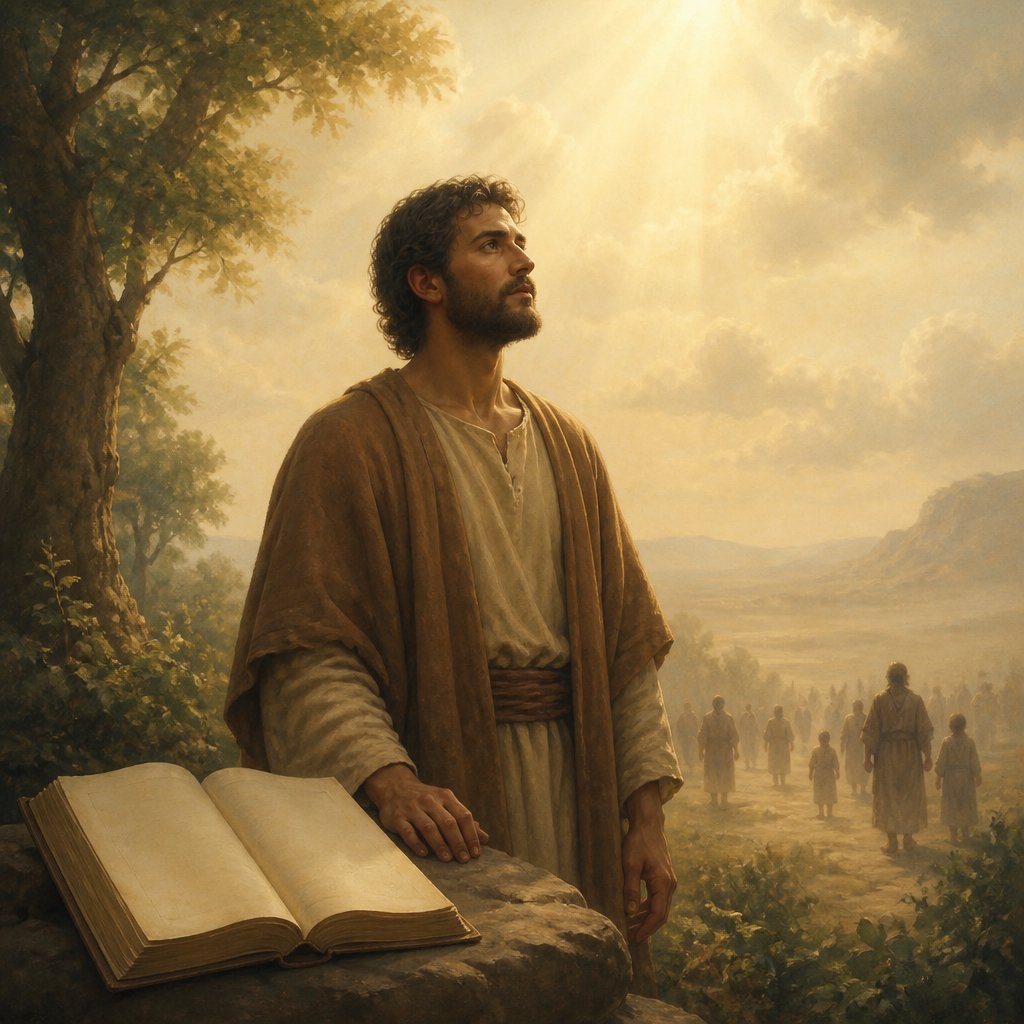
Genesis 5:1 (KJV) states: "This is the book of the generations of Adam. In the day that God created man, in the likeness of God made he him."
The book of Genesis is widely recognized as the first book of the Bible, and it sets the stage for the rest of the biblical narrative. Genesis 5:1 serves as a pivotal verse in this foundational book, as it begins to outline the genealogy of mankind and the divine image in which man was created.
The verse opens with the declaration, "This is the book of the generations of Adam." This phrase emphasizes the importance of lineage and ancestry. Throughout the Bible, genealogies are often used to trace the lineages of significant individuals and to establish the historical and spiritual continuity of God's chosen people. In this context, the "generations of Adam" refers to the descendants of Adam and Eve, the first man and woman created by God.
The verse also states, "In the day that God created man, in the likeness of God made he him." This draws attention to the unique relationship between God and humanity. The phrase "In the likeness of God" speaks to the sacredness of human life and the image of God that is reflected in each person. This idea is reiterated in the New Testament, particularly in the book of Colossians, where it is stated that Christ is "the image of the invisible God" (Colossians 1:15, KJV) and that believers are being renewed "in knowledge after the image of him that created him" (Colossians 3:10, KJV).
The theme of the divine image in Genesis 5:1 also carries profound implications for understanding the value and dignity of every individual. It underscores the inherent worth of every person, regardless of their background, ethnicity, or status. This message is particularly relevant in a world marked by division and inequality, as it affirms the fundamental equality and unity of all humanity.
Furthermore, the concept of being created "in the likeness of God" also speaks to the moral responsibility and potential of human beings. It implies that humans are called to reflect the character and attributes of God in their lives, embodying virtues such as love, compassion, justice, and holiness. This echoes the teachings of Jesus, who urged his followers to "be perfect, just as your Father in heaven is perfect" (Matthew 5:48, KJV) and to "love your enemies, bless them that curse you, do good to them that hate you, and pray for them which despitefully use you, and persecute you" (Matthew 5:44, KJV).
In a broader context, Genesis 5:1 also lays the groundwork for understanding the biblical narrative as a whole. It introduces the theme of creation and the divine purpose for humanity, which becomes a recurring motif throughout the Bible. The account of creation in Genesis establishes God as the ultimate Creator and Sovereign Ruler of the universe, and it sets the stage for the unfolding drama of redemption and restoration that unfolds in subsequent books of the Bible.
Symbolically, Genesis 5:1 can be seen as a proclamation of the inherent worth and potential of every human being, as well as a reminder of the divine image that humanity is called to embody. It serves as a foundational statement of identity and purpose, grounding the biblical narrative in the truth of God's creative design for humanity.
In conclusion, Genesis 5:1 is a verse that encapsulates fundamental themes of identity, value, and purpose in the biblical narrative. It lays the groundwork for understanding the genealogy of mankind and the divine image in which man was created, and it resonates with profound implications for understanding the nature of humanity and the moral responsibility and potential of every individual. In its rich symbolism and theological significance, Genesis 5:1 sets the stage for the unfolding drama of God's redemptive plan for humanity, inviting readers to reflect on the profound truth that they are created in the likeness of God.
Have questions about Genesis 5:1?
Dive deeper into this scripture with Bible Chat — an AI-powered tool for exploring God's Word through conversation. Ask questions, get context, and grow in your understanding of the Bible.
Get Our Apps


Genesis 5:1 Artwork

Genesis 5:1 - "This is the book of the generations of Adam. In the day that God created man, in the likeness of God made he him;"
"This is the book of the generations of Adam. In the day that God created man, in the likeness of God made he him;" - Genesis 5:1

Genesis 1:5

Genesis 1:5

Genesis 1:5

Genesis 1:5 - "And God called the light Day, and the darkness he called Night. And the evening and the morning were the first day."

Genesis 24:5

Genesis 27:5

Genesis 17:5

Genesis 20-5

Genesis 11:5

Genesis 22-5

Genesis 11:5

Genesis 11:5

Genesis 23-5

Genesis 25:5

Genesis 21-5

Genesis 16:5

Genesis 11:5

Genesis 19-5

Genesis 29-5

Genesis 18-5

Genesis 11:5

Genesis 5:5 - "And all the days that Adam lived were nine hundred and thirty years: and he died."

Genesis 30:5 - "And Bilhah conceived, and bare Jacob a son."
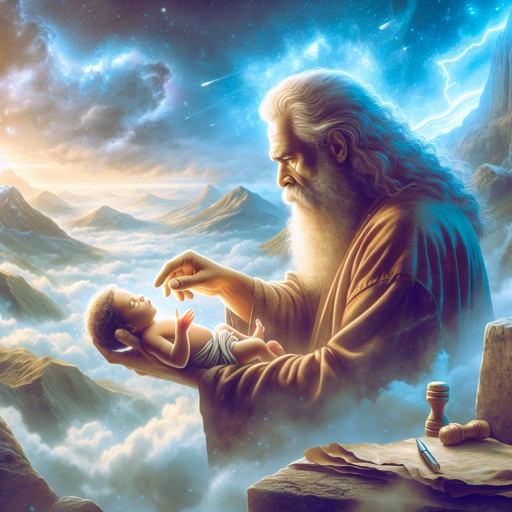
create image of Genesis 5:3

Genesis 5:9 - "¶ And Enos lived ninety years, and begat Cainan:"

Genesis 49:5 - "¶ Simeon and Levi are brethren; instruments of cruelty are in their habitations."

Genesis 5:12 - "¶ And Cainan lived seventy years, and begat Mahalaleel:"

Genesis 5:24 - "And Enoch walked with God: and he was not; for God took him."