What does Genesis 50:7 mean?
"¶ And Joseph went up to bury his father: and with him went up all the servants of Pharaoh, the elders of his house, and all the elders of the land of Egypt," - Genesis 50:7
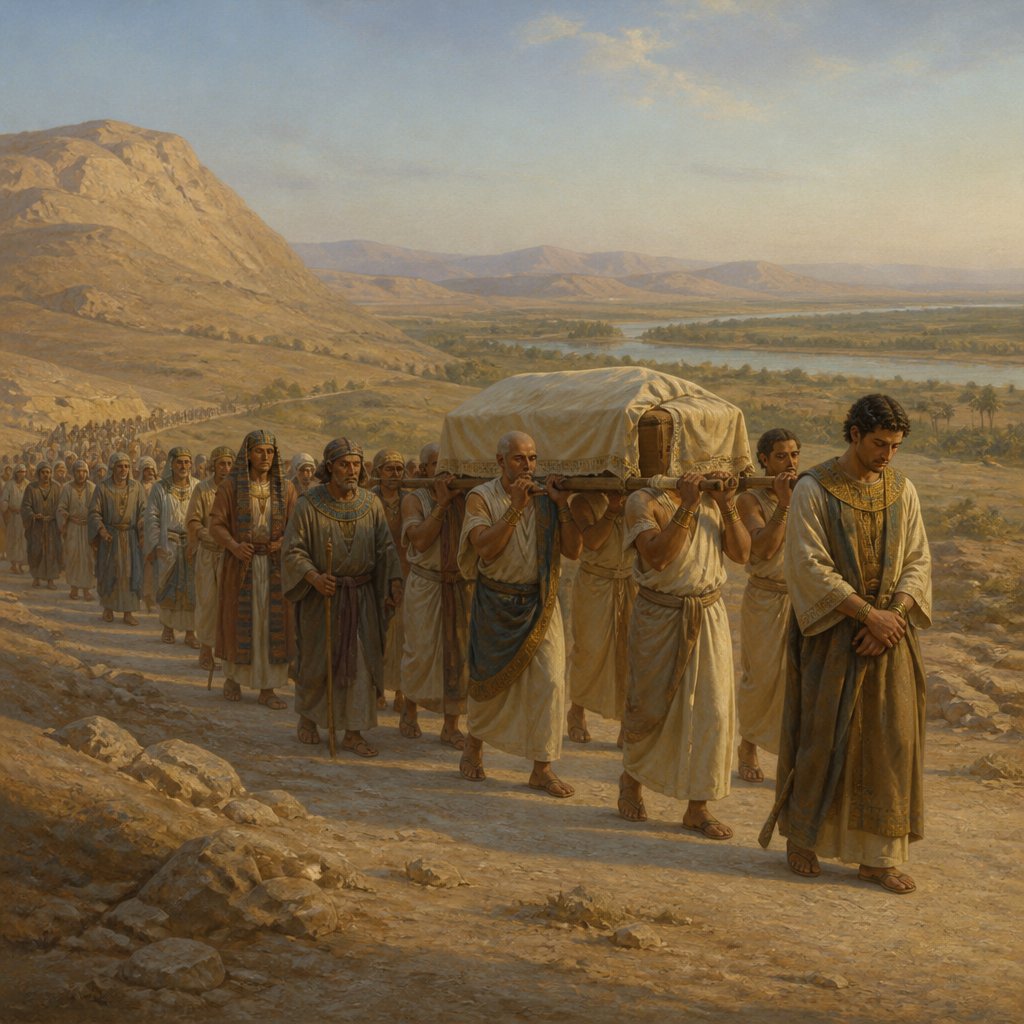
Genesis 50:7 from the King James Version of the Bible states, "And Joseph went up to bury his father: and with him went up all the servants of Pharaoh, the elders of his house, and all the elders of the land of Egypt."
This verse comes at the end of the book of Genesis, and it marks the culmination of the story of Joseph and his family. Joseph's father, Jacob, also known as Israel, has passed away, and Joseph is taking decisive action to ensure his father is properly honored and buried. This act of burying his father serves as a demonstration of Joseph's love and respect for his father, as well as his obedience to God's commandment to honor one's parents.
One of the prominent themes in this verse is the importance of honoring one's parents. In the Ten Commandments, God instructs His people to "Honor your father and your mother, so that you may live long in the land the Lord your God is giving you" (Exodus 20:12). Joseph's actions in burying his father align with this commandment, as he fulfills his duty to honor his father by giving him a proper burial and showing the respect he deserves.
Another significant theme in this verse is the concept of family unity and respect. As Joseph goes up to bury his father, he is accompanied by all the servants of Pharaoh, the elders of his house, and all the elders of the land of Egypt. This demonstrates the respect and honor that Joseph commands, as well as the unity and support of the community in honoring Jacob.
Furthermore, this verse emphasizes the cultural and societal importance of burying the dead. In ancient Egyptian culture, the proper burial of a deceased loved one was of utmost importance, as it was believed that the deceased would need their physical body in the afterlife. By ensuring that his father receives a proper burial, Joseph is adhering to the cultural and religious practices of the time.
Symbolically, the act of burying Jacob holds deep significance in the narrative of Joseph's life. Throughout the book of Genesis, Joseph's journey is marked by challenges, trials, and ultimately, triumph. His actions and choices have far-reaching consequences, and he navigates through a series of betrayals, hardships, and victories. The burial of his father represents a culmination of his personal journey, as he fulfills his duty to his father and honors his memory.
Additionally, the burial of Jacob also represents the closing of a chapter in the history of Israel. With the passing of Jacob, the patriarchal line is carried forward to the next generation, signaling a transition to a new era for the Israelites. The unity and support of the community in burying Jacob also symbolize the solidarity of the Israelite people, foreshadowing their future as a nation.
In conclusion, Genesis 50:7 carries profound themes of honoring parents, family unity and respect, cultural and societal practices, and the symbolic significance of burying the dead. Joseph's actions in this verse serve as a poignant reminder of the importance of fulfilling one's duties and honoring one's heritage, as well as the transition to a new chapter in the history of the Israelite people.
Have questions about Genesis 50:7?
Dive deeper into this scripture with Bible Chat — an AI-powered tool for exploring God's Word through conversation. Ask questions, get context, and grow in your understanding of the Bible.
Get Our Apps


Genesis 50:7 Artwork

Genesis 50:7 - "¶ And Joseph went up to bury his father: and with him went up all the servants of Pharaoh, the elders of his house, and all the elders of the land of Egypt,"
"¶ And Joseph went up to bury his father: and with him went up all the servants of Pharaoh, the elders of his house, and all the elders of the land of Egypt," - Genesis 50:7

Genesis 24-50

Genesis 50:26

Genesis 50:25

Genesis 50:26

Genesis 50:25

Genesis 50:26

Genesis 50:25

Genesis 50:26

Luke 7:50

Luke 7:50

Luke 7:36–50

Luke 7:36-50

Isaiah 50:7–9

Genesis 50:12 - "And his sons did unto him according as he commanded them:"

Genesis 50:19 - "And Joseph said unto them, Fear not: for am I in the place of God?"

Create a coffin for Joseph Genesis 50:26

Numbers 7:50 - "One golden spoon of ten shekels, full of incense:"

Genesis 50:1 - "And Joseph fell upon his father's face, and wept upon him, and kissed him."

Genesis 50:9 - "And there went up with him both chariots and horsemen: and it was a very great company."

Acts 7:50 - "Hath not my hand made all these things?"

Nehemiah 7:50 - "The children of Reaiah, the children of Rezin, the children of Nekoda,"

Genesis 50:22 - "¶ And Joseph dwelt in Egypt, he, and his father's house: and Joseph lived an hundred and ten years."

Genesis 50:2 - "And Joseph commanded his servants the physicians to embalm his father: and the physicians embalmed Israel."

Genesis 50:6 - "And Pharaoh said, Go up, and bury thy father, according as he made thee swear."

John 7:50 - "Nicodemus saith unto them, (he that came to Jesus by night, being one of them,)"

Genesis 50:16 - "And they sent a messenger unto Joseph, saying, Thy father did command before he died, saying,"

Luke 7:50 - "And he said to the woman, Thy faith hath saved thee; go in peace."

Genesis 50:18 - "And his brethren also went and fell down before his face; and they said, Behold, we be thy servants."