What does Genesis 4:7 mean?
"If thou doest well, shalt thou not be accepted? and if thou doest not well, sin lieth at the door. And unto thee shall be his desire, and thou shalt rule over him." - Genesis 4:7
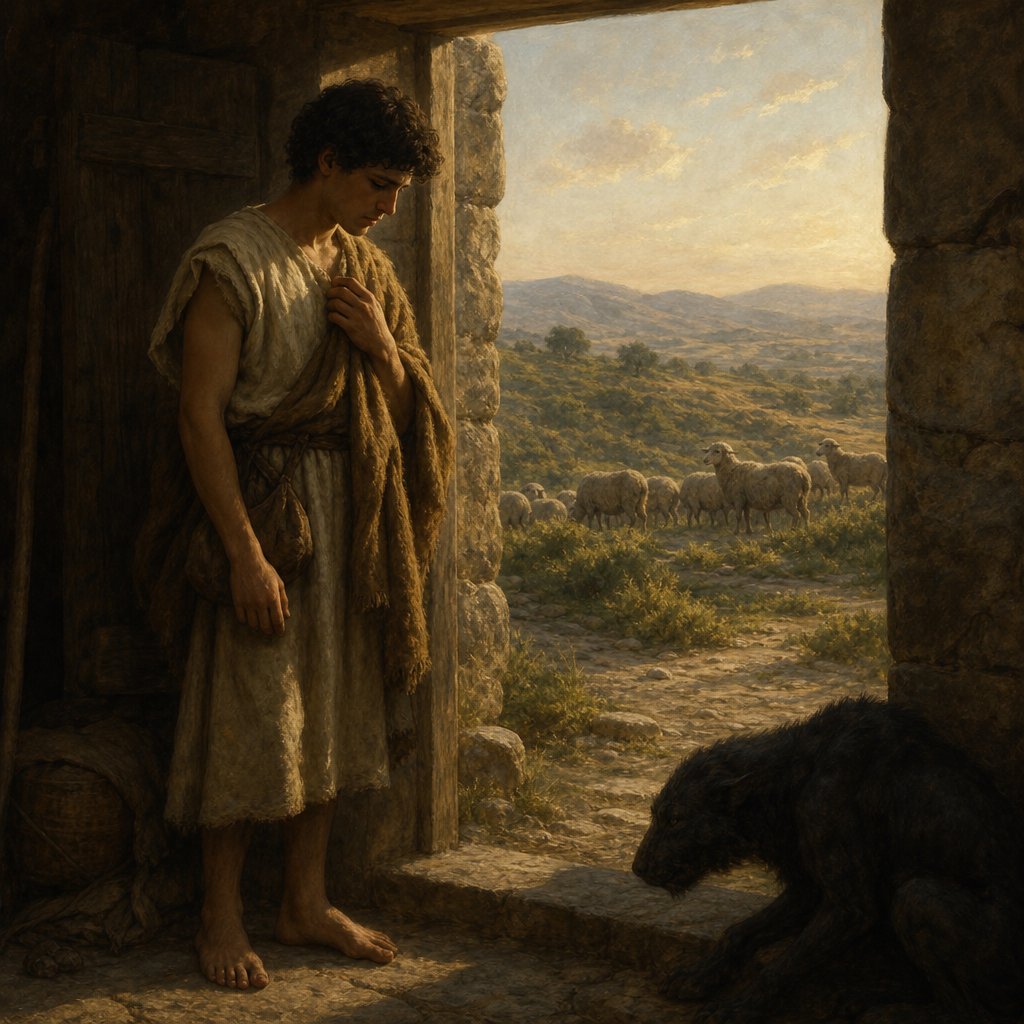
Genesis 4:7 (KJV) reads: "If thou doest well, shalt thou not be accepted? and if thou doest not well, sin lieth at the door. And unto thee shall be his desire, and thou shalt rule over him."
This verse comes from the story of Cain and Abel, the sons of Adam and Eve. After Cain's offering was not accepted by God, he becomes angry and jealous of his brother Abel, whose offering was accepted. God warns Cain to not let sin overtake him, but to instead do well and thereby be accepted.
The verse contains several key themes and concepts that are essential to understanding the broader context of the story, as well as significant symbolism. One of the central themes is the idea of acceptance by God, and the consequences of sin. This theme is universal and continues to be relevant to humanity today.
The context of the verse is essential to understanding its full meaning. The preceding verses describe how Cain and Abel brought offerings to God, and God accepted Abel's offering but not Cain's. This caused Cain to become angry and dejected. God speaks to Cain, asking him why he is angry and encouraging him to do what is right so that he will be accepted. The verse in question, Genesis 4:7, follows God's warning to Cain about the potential consequences of giving in to sin.
The verse begins with a conditional statement: "If thou doest well, shalt thou not be accepted?" This suggests that acceptance and approval from God are contingent upon doing what is right. The verse then continues, "and if thou doest not well, sin lieth at the door." This is a powerful warning about the dangers of sin, indicating that if Cain fails to do what is right, he will be susceptible to sin, which will have negative consequences. This warning reflects a fundamental aspect of the Christian faith - the concept of free will and the responsibility to choose between doing what is right and giving in to sin.
The verse then takes a more enigmatic turn, stating, "And unto thee shall be his desire, and thou shalt rule over him." This has been the subject of much interpretation and debate among scholars and theologians. One interpretation is that God is warning Cain about the temptation and desire to sin, and that Cain must overcome this desire and rule over it, rather than be ruled by it. This interpretation aligns with the broader biblical teaching on overcoming temptation and living a righteous life. Another interpretation is that "his desire" refers to sin, and Cain is being told that he must master sin and not be mastered by it.
The themes of acceptance, sin, and temptation in this verse are deeply symbolic. Cain's struggle with acceptance and jealousy towards his brother Abel represents the broader human struggle with feelings of inadequacy and envy. The warning about sin lying at the door is a powerful symbol of the constant temptation and allure of sin in the world. The command to rule over sin serves as a timeless reminder of the human responsibility to resist temptation and live according to God's will.
In conclusion, Genesis 4:7 is a rich and profound verse that encapsulates essential themes and concepts within the broader context of the story of Cain and Abel. The verse provides a powerful warning about the consequences of giving in to sin, and a timeless message about the importance of doing what is right in the sight of God. Its symbolism and themes continue to have relevance and resonance for Christians and people of faith today.
Have questions about Genesis 4:7?
Dive deeper into this scripture with Bible Chat — an AI-powered tool for exploring God's Word through conversation. Ask questions, get context, and grow in your understanding of the Bible.
Get Our Apps


Genesis 4:7 Artwork

Genesis 4:7 - "If thou doest well, shalt thou not be accepted? and if thou doest not well, sin lieth at the door. And unto thee shall be his desire, and thou shalt rule over him."
"If thou doest well, shalt thou not be accepted? and if thou doest not well, sin lieth at the door. And unto thee shall be his desire, and thou shalt rule over him." - Genesis 4:7

Genesis 7:4 - "For yet seven days, and I will cause it to rain upon the earth forty days and forty nights; and every living substance that I have made will I destroy from off the face of the earth."

Genesis 24-7

Genesis 25-7

Genesis 22-7

Genesis 23-7

Genesis 29-7

Genesis 20-7
Genesis 2:7

Genesis 18-7

Genesis 3:7

GENESIS 3:7

Genesis 3:7

Genesis 17:7

Genesis 15:7

Genesis 19-7

Genesis 21-7

Genesis 3:7

Genesis 16:7

Genesis 23-4

Genesis 20-4

Genesis 21-4

Genesis 17:4

Genesis 22-4

Genesis 18-4

Genesis 6:4

Genesis 6: 4

Genesis 19-4

Genesis 29-4