What does Genesis 4:17 mean?
"And Cain knew his wife; and she conceived, and bare Enoch: and he builded a city, and called the name of the city, after the name of his son, Enoch." - Genesis 4:17
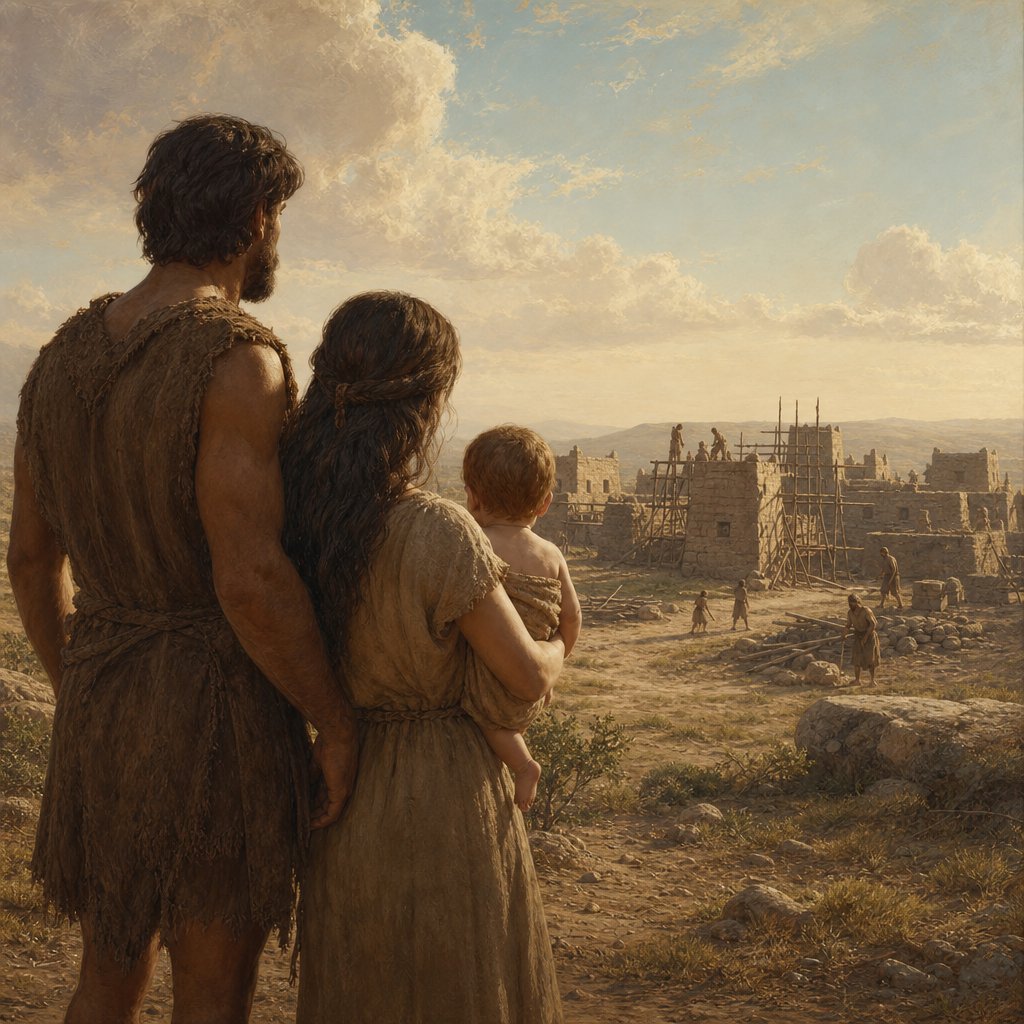
Genesis 4:17 (KJV) - "And Cain knew his wife; and she conceived and bare Enoch: and he builded a city, and called the name of the city, after the name of his son, Enoch."
This verse comes from the Book of Genesis, which is the first book of the Bible and is attributed to Moses. It tells the story of the creation of the world, the first human beings, and the origins of sin and suffering. This particular verse is part of the narrative of Cain, the firstborn son of Adam and Eve, and his descendants.
In this verse, we see Cain building a city and naming it after his son, Enoch. This act of city-building is significant for several reasons. First, it shows a progression in human development and civilization. As the first murderer and a symbol of human rebellion against God, Cain's decision to build a city indicates that despite the consequences of his actions, human beings are capable of creating and organizing society.
The act of naming the city after his son, Enoch, is also significant. In biblical times, names held deep meaning and significance. The name Enoch means "dedicated" or "disciplined," and by naming the city after his son, Cain is expressing his hope for a legacy and a future for his descendants. This act demonstrates a sense of pride and ownership, as well as a desire to establish his family's presence and influence in the world.
This verse also highlights the theme of generational legacy and the complexities of human relationships. Despite his sinful nature and the consequences of his actions, Cain still continues his life and builds a family. The fact that his wife is mentioned without any further context or introduction emphasizes the idea that life goes on, even in the midst of chaos and brokenness. This reflects the resilience of humanity and the continuation of life despite the presence of sin and suffering.
Furthermore, the act of city-building and naming reflects the human desire for significance and permanence. Cain's actions demonstrate a longing for meaning and a search for identity and purpose. This echoes the fundamental human need for community and belonging, as well as the desire to leave a lasting mark on the world.
Additionally, this verse can be seen as a representation of the tension between human ambition and divine intervention. While Cain is building a city and seemingly taking control of his destiny, it is important to remember that his actions are still ultimately subject to God's sovereignty. This tension between human agency and divine providence is a recurring theme throughout the Bible and is reflected in this verse.
In terms of context, this verse is situated within the broader narrative of the consequences of sin and the unfolding of human history. It follows the story of Cain and Abel, where Cain's jealousy and anger lead to him killing his brother. After this act, Cain is marked and banished by God, but he is also protected by a divine promise. This verse serves as a continuation of Cain's story, showing his continued existence and the continuation of his family line.
In conclusion, Genesis 4:17 is a significant verse that highlights themes of human development, legacy, and the complexities of human relationships. It also reflects the tension between human ambition and divine intervention. This verse serves as a reminder of the enduring resilience of humanity and the ongoing search for meaning and significance. Ultimately, it is a part of the larger narrative of the human story and the unfolding of God's redemptive plan for humanity.
Have questions about Genesis 4:17?
Dive deeper into this scripture with Bible Chat — an AI-powered tool for exploring God's Word through conversation. Ask questions, get context, and grow in your understanding of the Bible.
Get Our Apps


Genesis 4:17 Artwork

Genesis 4:17 - "And Cain knew his wife; and she conceived, and bare Enoch: and he builded a city, and called the name of the city, after the name of his son, Enoch."
"And Cain knew his wife; and she conceived, and bare Enoch: and he builded a city, and called the name of the city, after the name of his son, Enoch." - Genesis 4:17

Genesis 17:4

Genesis 17:4 - "As for me, behold, my covenant is with thee, and thou shalt be a father of many nations."

Genesis 17-17

"As for me, behold, my covenant is with thee, and thou shalt be a father of many nations." - Genesis 17:4

Genesis 17-15

Genesis 17-23

Genesis 18-17

Genesis 17-27

Genesis 17-21

Genesis 17:2

Genesis 17:6

Genesis 20-17

Genesis 17:8

Genesis 28-17

Genesis 17-19

Genesis 21-17

Genesis 24-17

Genesis 17-22

Genesis 17:10

Genesis 17-12

Genesis 17:1

Genesis 17-14

Genesis 22-17

Genesis 17:7

Genesis 17:5

Genesis 17-18

Genesis 19-17

Genesis 23-17