What does Genesis 4:14 mean?
"Behold, thou hast driven me out this day from the face of the earth; and from thy face shall I be hid; and I shall be a fugitive and a vagabond in the earth; and it shall come to pass, that every one that findeth me shall slay me." - Genesis 4:14
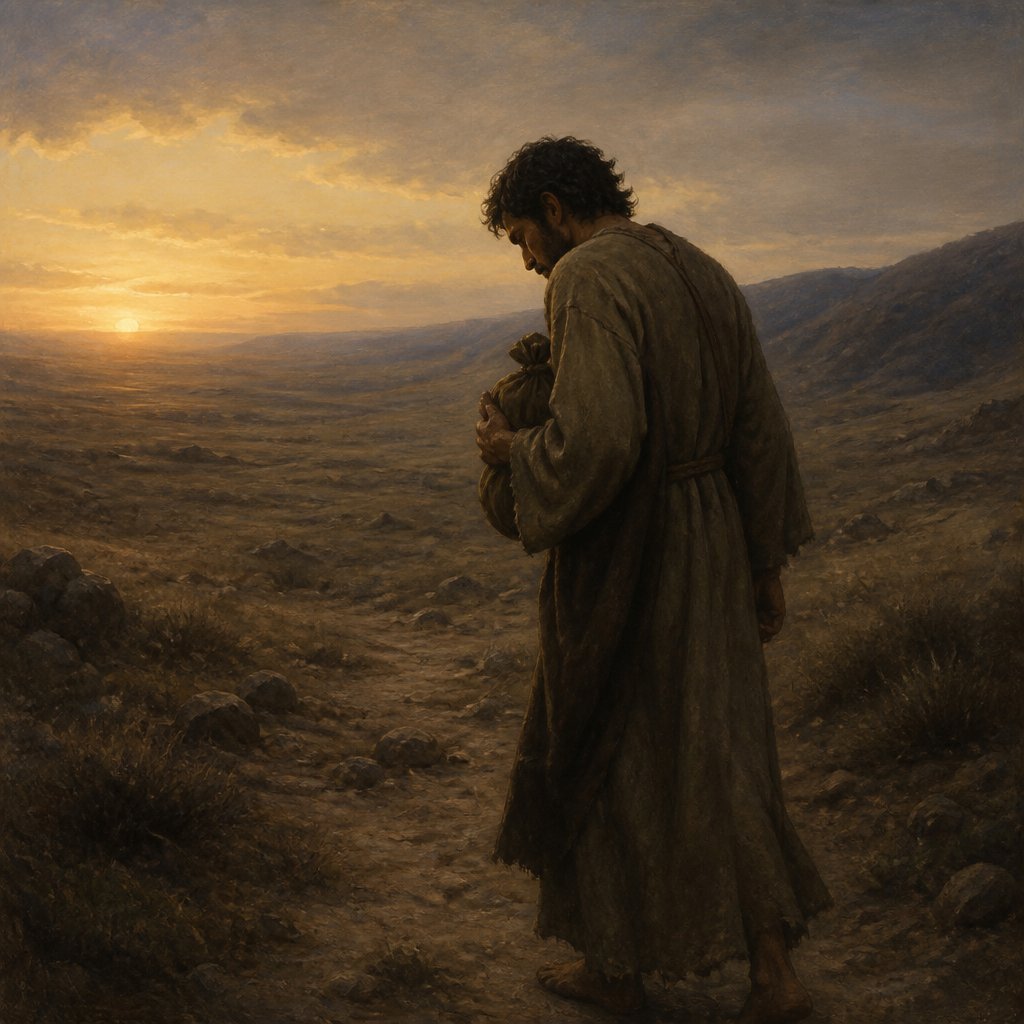
Genesis 4:14 in the King James Version of the Bible reads: "Behold, thou hast driven me out this day from the face of the earth; and from thy face shall I be hid; and I shall be a fugitive and a vagabond in the earth; and it shall come to pass, that every one that findeth me shall slay me."
This verse is spoken by Cain, who has just slain his brother Abel in a fit of jealousy and is now facing the consequences of his actions. The verse captures the despair and fear that Cain feels as he realizes the extent of his punishment. His words express a deep sense of loss and regret as he contemplates a life of exile and loneliness.
The theme of punishment and consequence is central to this verse, as it reflects the biblical concept of retribution. Cain's actions have led to his expulsion from his home and family, and he now faces a lifetime of wandering and fear. This verse serves as a reminder of the grave consequences of sin and the importance of living a righteous life.
The context of this verse is important for understanding its significance. In the preceding verses, we see the story of Cain and Abel, the sons of Adam and Eve. Both brothers offer sacrifices to God, but God favors Abel's offering over Cain's. In a fit of jealousy, Cain kills Abel, and God confronts him about the murder. As a result, Cain is cursed by God and becomes a fugitive and a wanderer on the earth.
The symbolism in this verse is rich and powerful. Cain's banishment from the land and from the presence of God represents the severing of his relationship with both his family and his Creator. His status as a fugitive and a vagabond speaks to the isolation and alienation that he will now experience. The fear of being slain by others reflects the vulnerability and danger that he will face in his new existence.
In a broader sense, this verse also speaks to the universal human experience of guilt and shame. We all make mistakes and face the consequences of our actions, and this verse serves as a poignant reminder of the pain and regret that often accompany our wrongdoing.
The verse also offers a message of hope and redemption. Despite Cain's desperate situation, God does not abandon him. In the following verses, God protects Cain from harm and offers him a mark of protection. This act of mercy and grace demonstrates God's willingness to forgive and restore even the most sinful among us.
In conclusion, Genesis 4:14 is a powerful and evocative verse that captures the themes of punishment, consequence, and redemption. Through Cain's words, we are reminded of the grave consequences of sin and the need for repentance and forgiveness. The verse provides a vital lesson about the importance of living a righteous life and the power of God's mercy in the face of our wrongdoing.
Have questions about Genesis 4:14?
Dive deeper into this scripture with Bible Chat — an AI-powered tool for exploring God's Word through conversation. Ask questions, get context, and grow in your understanding of the Bible.
Get Our Apps


Genesis 4:14 Artwork
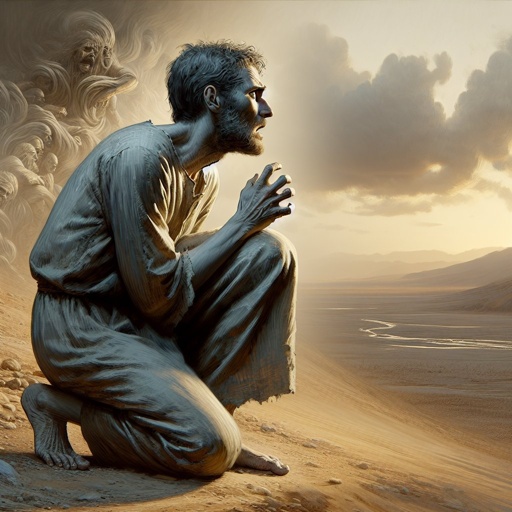
Genesis 4:14 - "Behold, thou hast driven me out this day from the face of the earth; and from thy face shall I be hid; and I shall be a fugitive and a vagabond in the earth; and it shall come to pass, that every one that findeth me shall slay me."
"Behold, thou hast driven me out this day from the face of the earth; and from thy face shall I be hid; and I shall be a fugitive and a vagabond in the earth; and it shall come to pass, that every one that findeth me shall slay me." - Genesis 4:14

Genesis 14:4 - "Twelve years they served Chedorlaomer, and in the thirteenth year they rebelled."
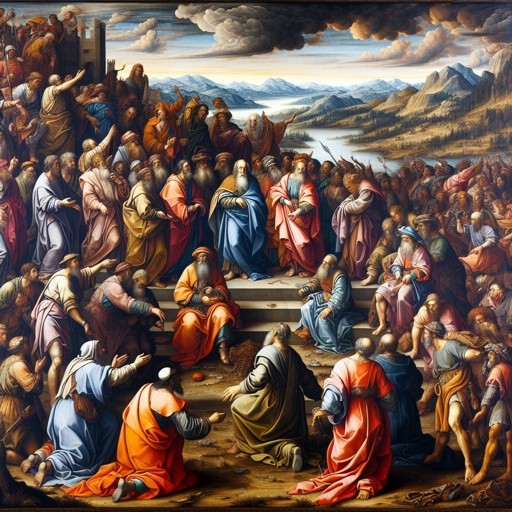
Genesis 14:4 Twelve years they served chedorlaomer, and in the thirteenth year they rebelled.
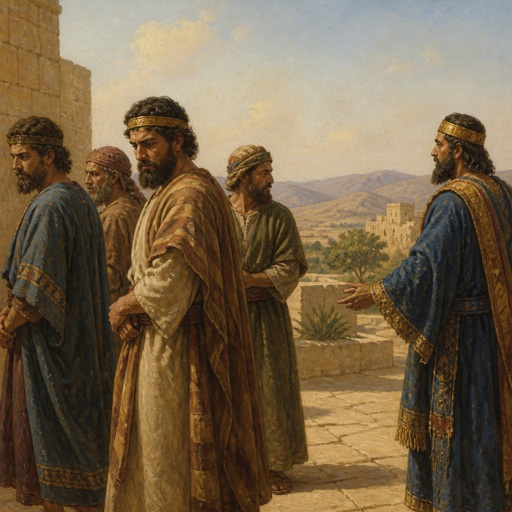
"Twelve years they served Chedorlaomer, and in the thirteenth year they rebelled." - Genesis 14:4

Genesis 22 14

Genesis 19-14

Genesis 21:14

Genesis 15:14

Genesis 22-14

Genesis 25-14

Genesis 23-14

Genesis 24-14

Genesis 17-14

Genesis 16:14

Genesis 20-14

Genesis 28-14

Genesis 18-14

Genesis 25:14 - "And Mishma, and Dumah, and Massa,"

Genesis 18:9-14

Genesis 1:10-14

Genesis 18:1-14

Genesis 14:1-2

Genesis 18:11-14

Genesis 22:1-14

Genesis 46:14 - "¶ And the sons of Zebulun; Sered, and Elon, and Jahleel."

Genesis 23:14 - "And Ephron answered Abraham, saying unto him,"

Genesis 23-4

Genesis 20-4

Genesis 21-4