What does Genesis 4:13 mean?
"And Cain said unto the LORD, My punishment is greater than I can bear." - Genesis 4:13
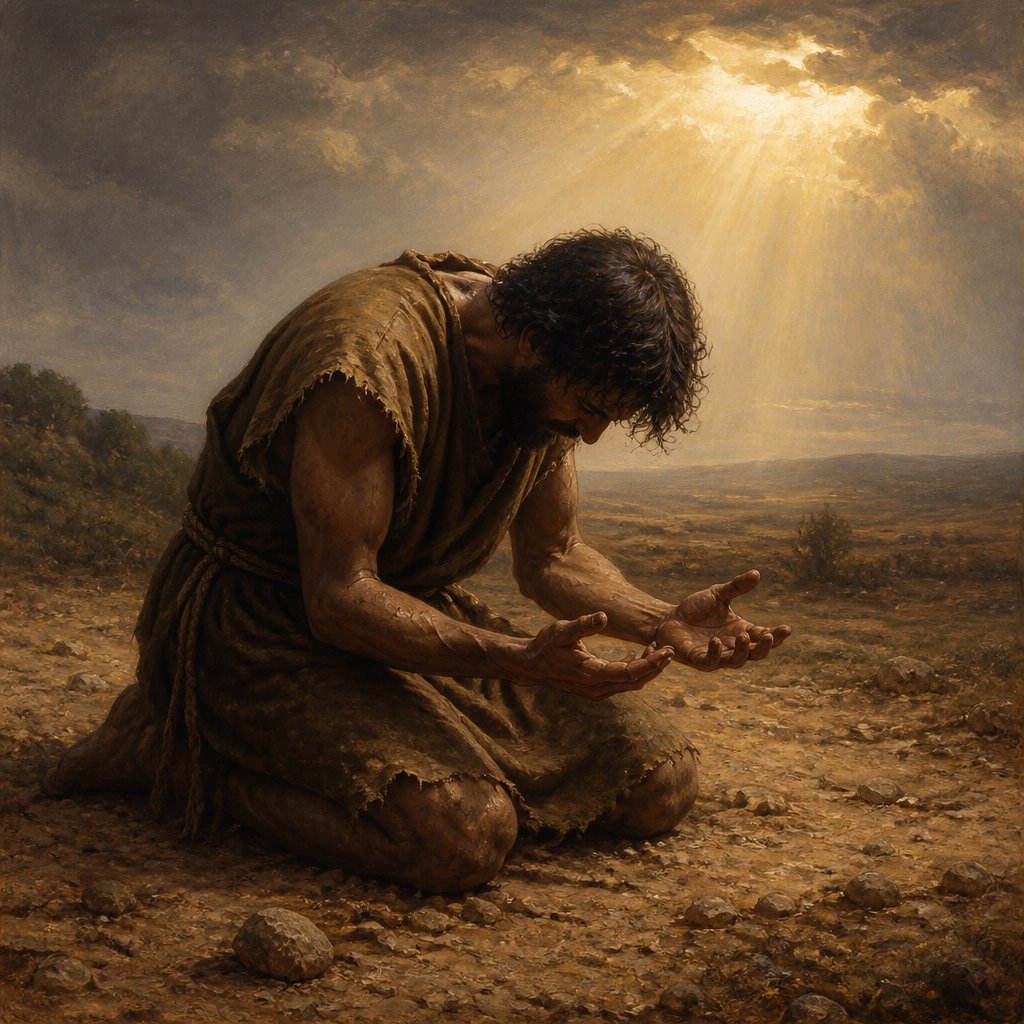
Genesis 4:13 in the King James Version of the Bible reads, "And Cain said unto the Lord, My punishment is greater than I can bear." This verse comes from the story of Cain and Abel, which is one of the most well-known and significant passages in the Bible. In order to understand the deep meaning and commentary behind this verse, it is important to examine the themes, context, and symbolism present in the passage.
The story of Cain and Abel is found in the book of Genesis, which is the first book of the Bible. It is a foundational story that sets the stage for the rest of the biblical narrative. In this story, we learn about the first instance of murder and the consequences of sin. Cain and Abel were the sons of Adam and Eve, and they both brought offerings to the Lord. Abel's offering was accepted by God, while Cain's was not. This rejection led to jealousy, anger, and ultimately, the murder of Abel by his brother, Cain.
The verse in question, Genesis 4:13, comes after God has pronounced a curse upon Cain for his sin. Cain is filled with remorse and cries out to the Lord, stating that his punishment is too heavy for him to bear. This verse reveals the deep sense of guilt and regret that Cain feels for his actions. It also shows his desperation and hopelessness in the face of the consequences of his sin.
One of the key themes present in this passage is the concept of sin and its consequences. The story of Cain and Abel serves as a powerful illustration of the devastating effects of disobedience and envy. Cain's sinful actions not only resulted in the death of his brother but also brought about a curse upon himself and his descendants. This theme emphasizes the importance of making righteous choices and the devastating impact of giving in to sinful desires.
Another important theme in this passage is the idea of repentance and the need for forgiveness. Despite his actions, Cain still turns to the Lord and expresses his remorse. His plea for mercy shows a glimmer of hope and a desire for reconciliation with God. This theme highlights the grace and mercy of God, as well as the opportunity for redemption even in the face of great wrongdoing.
The context of this verse is also significant in understanding its meaning. The story of Cain and Abel is not just a historical account but also a cautionary tale with ongoing relevance. It serves as a warning to all humanity about the destructive nature of sin and the importance of seeking forgiveness and reconciliation with God.
Additionally, the verse carries deep symbolism that enhances its meaning. Cain's words convey a sense of the weight and burden of his guilt and punishment. This symbolism reflects the universal human experience of grappling with the consequences of our actions and the heavy burden of sin. It also points to the universal need for redemption and the hope of finding relief and forgiveness through a relationship with God.
In conclusion, Genesis 4:13 from the King James Version of the Bible holds significant depth and meaning within the larger context of the story of Cain and Abel. Through its themes, context, and symbolism, the verse speaks to the timeless truths of sin, remorse, and the possibility of redemption. It serves as a powerful reminder of the destructive nature of sin and the hope found in seeking forgiveness and reconciliation with God.
Have questions about Genesis 4:13?
Dive deeper into this scripture with Bible Chat — an AI-powered tool for exploring God's Word through conversation. Ask questions, get context, and grow in your understanding of the Bible.
Get Our Apps


Genesis 4:13 Artwork

Genesis 4:13 - "And Cain said unto the LORD, My punishment is greater than I can bear."
"And Cain said unto the LORD, My punishment is greater than I can bear." - Genesis 4:13

Genesis 13:4 - "Unto the place of the altar, which he had made there at the first: and there Abram called on the name of the LORD."
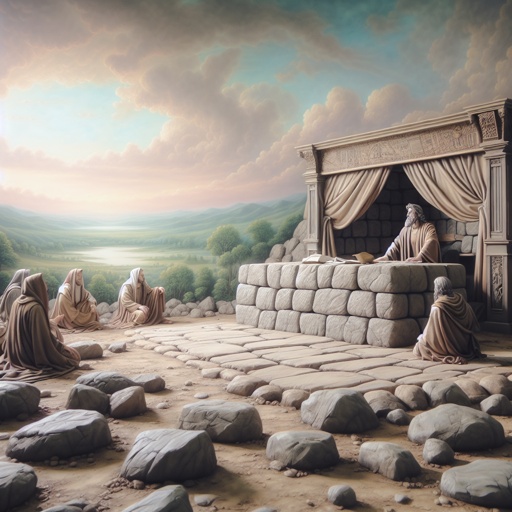
Genesis 13:4 KJV Unto the place of the altar, which he had made there at the first: and there Abram called on the name of the LORD.
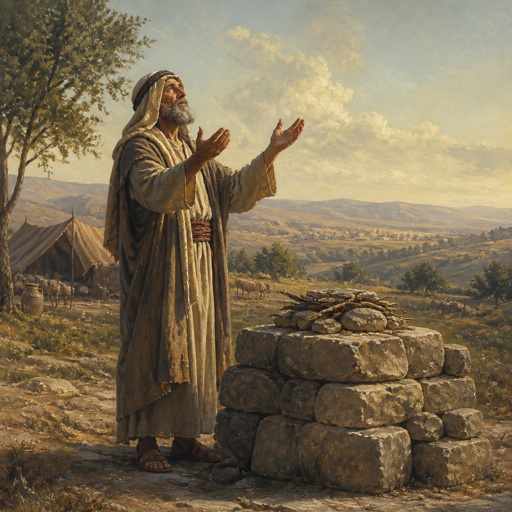
"Unto the place of the altar, which he had made there at the first: and there Abram called on the name of the LORD." - Genesis 13:4

Genesis 13:13 - "But the men of Sodom were wicked and sinners before the LORD exceedingly."

Genesis 19-13

Genesis 21-13

Genesis 23-13

Genesis 28-13

Genesis 17-13
Genesis 24-13

Genesis 22-13

Genesis 20-13

Genesis 15:13

Genesis 13:10
Genesis 18-13

Genesis 25-13

Genesis 9:13

Genesis 16:13

Genesis 1:13 - "And the evening and the morning were the third day."

Philippians 4:13

Genesis 23-4

Genesis 20-4

Genesis 21-4

Genesis 17:4

Genesis 22-4

Genesis 18-4

Genesis 6:4

Genesis 6: 4