What does Genesis 48:8 mean?
"And Israel beheld Joseph's sons, and said, Who are these?" - Genesis 48:8
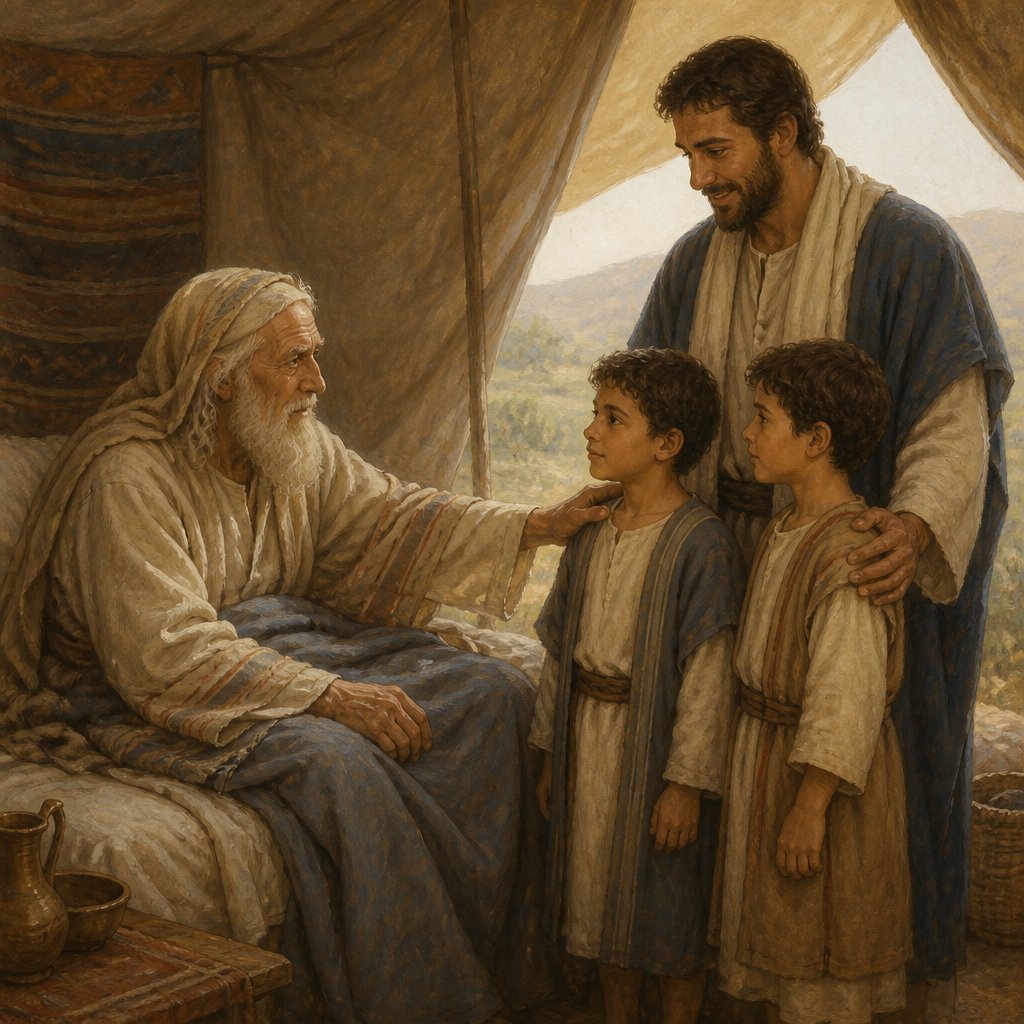
Genesis 48:8 in the King James Version (KJV) reads, "And Israel beheld Joseph's sons, and said, Who are these?"
This verse is part of the larger narrative of Jacob blessing his grandsons, Ephraim and Manasseh, the sons of Joseph. The context of this verse is crucial to understanding its full meaning and significance. In Genesis 48, Jacob is old and knows that his time on earth is coming to an end. He gathers his sons to bless them and declare the inheritance they will receive. However, Joseph brings his two sons, Ephraim and Manasseh, to Jacob for his blessing. Jacob, whose name was changed to Israel by God, is initially puzzled by the sight of these two boys and asks Joseph, "Who are these?"
This seemingly straightforward question holds a deeper meaning and symbolic significance within the context of the story. On a surface level, Jacob's question reflects his surprise and confusion at seeing his grandsons, whom he had not seen before. However, on a deeper level, this question reflects the themes of inheritance, identity, and the fulfillment of God's covenant.
The theme of inheritance is central to this verse and the larger narrative of Genesis 48. In the ancient Near East, the blessing from a father to his sons was a significant and solemn event, as it determined the future of the family's lineage and prosperity. Jacob's blessing of Ephraim and Manasseh represents the transfer of his inheritance and blessings to Joseph's sons, making them equal with his own sons. This act is significant because it deviates from the traditional norms of inheritance, where the firstborn son would receive the larger portion of the father's blessing and inheritance. Jacob's decision to bless Ephraim and Manasseh equally signifies a shift in the established order, reflecting God's sovereignty in determining the destiny and inheritance of His chosen people.
Moreover, Jacob's question, "Who are these?" holds symbolic significance in the broader context of the Bible and God's covenant with His people. Throughout the book of Genesis, the concept of identity and lineage is crucial in understanding God's plan for His chosen people. Jacob's question reflects his desire to understand the identity and significance of Ephraim and Manasseh within the context of God's covenant with the descendants of Abraham. This question also serves as a reminder of the ways in which God works through unexpected means and individuals to fulfill His purposes.
In addition, the theme of fulfillment of God's covenant is evident in this verse. Ephraim and Manasseh, as the descendants of Joseph, are part of the fulfillment of God's promise to Abraham. Through these sons, the lineage of Abraham continues, and God's covenantal promises are realized. Jacob's recognition and blessing of Ephraim and Manasseh represent the continuity of God's covenant with His people, reminding the readers of God's faithfulness and sovereignty in fulfilling His promises.
Symbolically, this verse also foreshadows the inclusion of the gentiles into God's covenant and inheritance. Ephraim and Manasseh, as the sons of Joseph and descendants of Jacob, foreshadow the grafting in of the gentiles into God's covenant through the work of Jesus Christ. The inclusion of Ephraim and Manasseh in the lineage and inheritance of Israel serves as a powerful foreshadowing of God's plan to unite all people in Christ, regardless of their earthly lineage or background.
In conclusion, Genesis 48:8 in the King James Version (KJV) holds a deeper meaning and significance within the broader context of the biblical narrative. Jacob's question, "Who are these?", reflects the themes of inheritance, identity, and the fulfillment of God's covenant. This verse serves as a reminder of God's sovereignty in determining the destiny and inheritance of His chosen people, as well as a foreshadowing of the inclusion of the gentiles into God's covenant through the work of Jesus Christ.
Have questions about Genesis 48:8?
Dive deeper into this scripture with Bible Chat — an AI-powered tool for exploring God's Word through conversation. Ask questions, get context, and grow in your understanding of the Bible.
Get Our Apps


Genesis 48:8 Artwork

Genesis 48:8 - "And Israel beheld Joseph's sons, and said, Who are these?"
"And Israel beheld Joseph's sons, and said, Who are these?" - Genesis 48:8

Genesis 24-48

Genesis 31:48 - "And Laban said, This heap is a witness between me and thee this day. Therefore was the name of it called Galeed;"

Genesis 48:3 - "And Jacob said unto Joseph, God Almighty appeared unto me at Luz in the land of Canaan, and blessed me,"

Genesis 48:12 - "And Joseph brought them out from between his knees, and he bowed himself with his face to the earth."
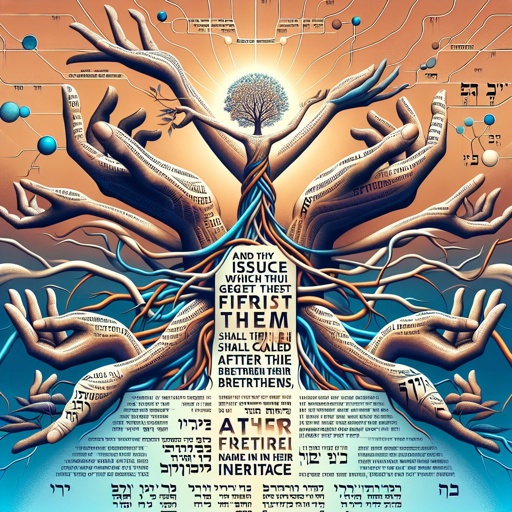
Genesis 48:6 - "And thy issue, which thou begettest after them, shall be thine, and shall be called after the name of their brethren in their inheritance."

Genesis 48:18 - "And Joseph said unto his father, Not so, my father: for this is the firstborn; put thy right hand upon his head."

John 8:48 - "Then answered the Jews, and said unto him, Say we not well that thou art a Samaritan, and hast a devil?"
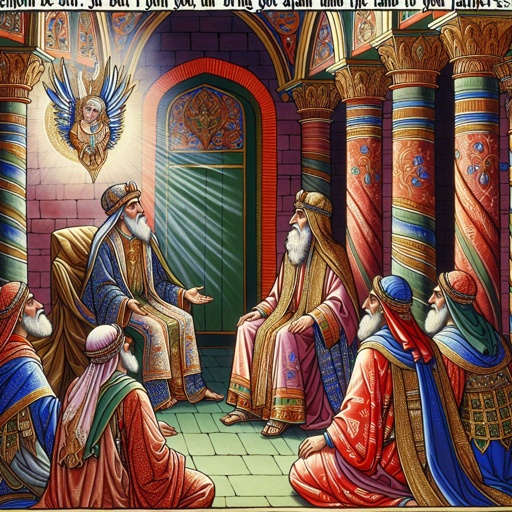
Genesis 48:21 - "And Israel said unto Joseph, Behold, I die: but God shall be with you, and bring you again unto the land of your fathers."

Genesis 48:2 - "And one told Jacob, and said, Behold, thy son Joseph cometh unto thee: and Israel strengthened himself, and sat upon the bed."
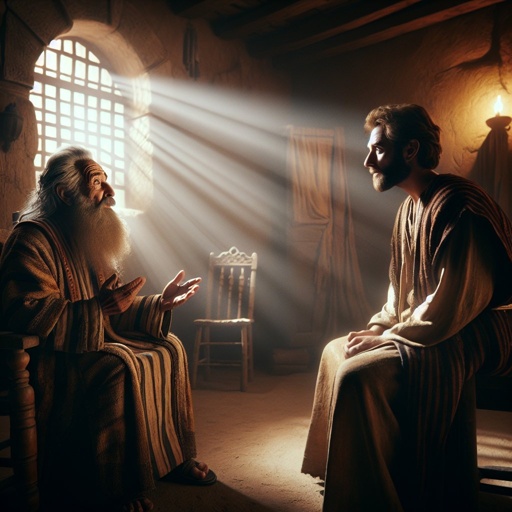
Genesis 48:11 - "And Israel said unto Joseph, I had not thought to see thy face: and, lo, God hath shewed me also thy seed."

Luke 8:48 - "And he said unto her, Daughter, be of good comfort: thy faith hath made thee whole; go in peace."
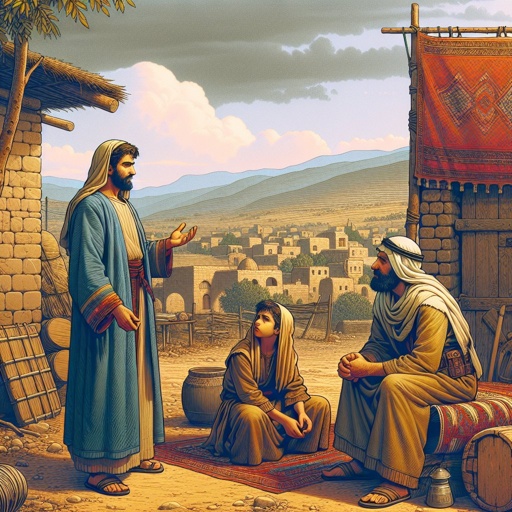
Genesis 48:1 - "And it came to pass after these things, that one told Joseph, Behold, thy father is sick: and he took with him his two sons, Manasseh and Ephraim."

Genesis 48:22 - "Moreover I have given to thee one portion above thy brethren, which I took out of the hand of the Amorite with my sword and with my bow."

Genesis 48:20 - "And he blessed them that day, saying, In thee shall Israel bless, saying, God make thee as Ephraim and as Manasseh: and he set Ephraim before Manasseh."

Psalms 48:8 - "As we have heard, so have we seen in the city of the LORD of hosts, in the city of our God: God will establish it for ever. Selah."

Genesis 48:10 - "Now the eyes of Israel were dim for age, so that he could not see. And he brought them near unto him; and he kissed them, and embraced them."

Jeremiah 48:8 - "And the spoiler shall come upon every city, and no city shall escape: the valley also shall perish, and the plain shall be destroyed, as the LORD hath spoken."
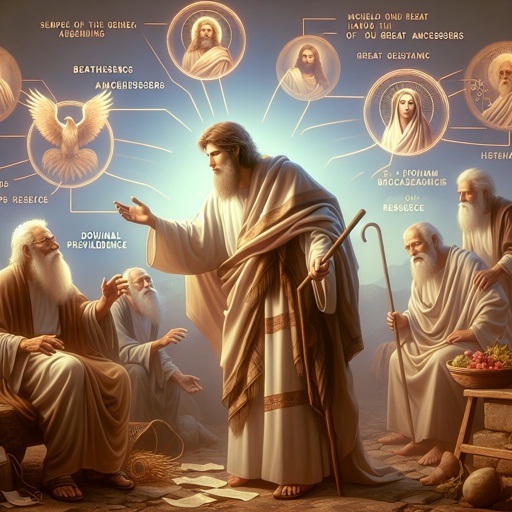
Genesis 48:15 - "¶ And he blessed Joseph, and said, God, before whom my fathers Abraham and Isaac did walk, the God which fed me all my life long unto this day,"

Genesis 48:4 - "And said unto me, Behold, I will make thee fruitful, and multiply thee, and I will make of thee a multitude of people; and will give this land to thy seed after thee for an everlasting possession."
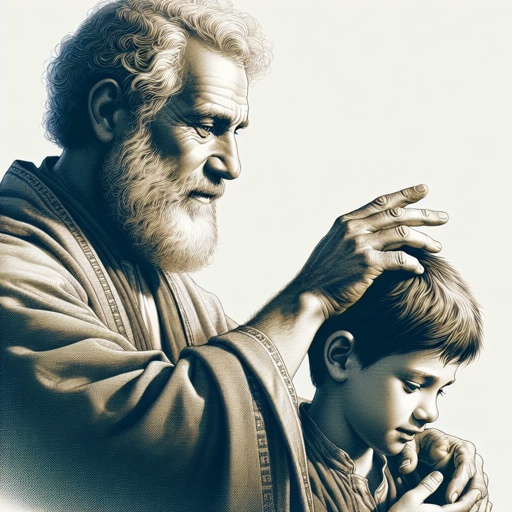
Genesis 48:14 - "And Israel stretched out his right hand, and laid it upon Ephraim's head, who was the younger, and his left hand upon Manasseh's head, guiding his hands wittingly; for Manasseh was the firstborn."

Genesis 48:5 - "¶ And now thy two sons, Ephraim and Manasseh, which were born unto thee in the land of Egypt before I came unto thee into Egypt, are mine; as Reuben and Simeon, they shall be mine."
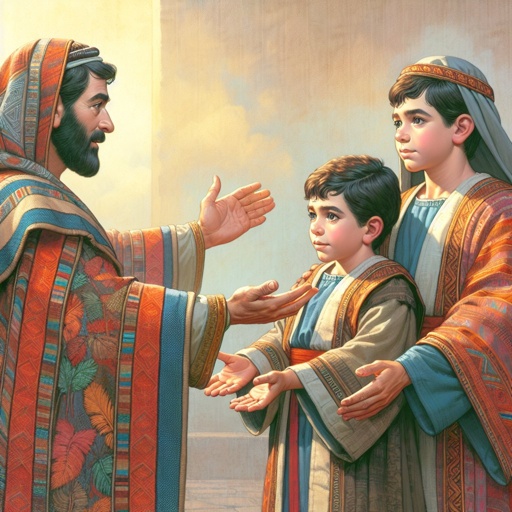
Genesis 48:13 - "And Joseph took them both, Ephraim in his right hand toward Israel's left hand, and Manasseh in his left hand toward Israel's right hand, and brought them near unto him."

Genesis 48:9 - "And Joseph said unto his father, They are my sons, whom God hath given me in this place. And he said, Bring them, I pray thee, unto me, and I will bless them."
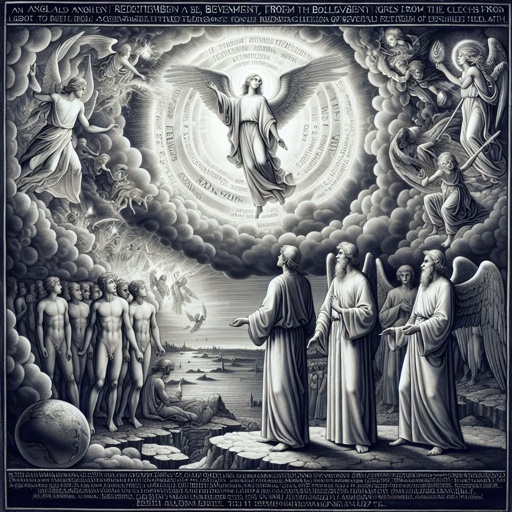
Genesis 48:16 - "The Angel which redeemed me from all evil, bless the lads; and let my name be named on them, and the name of my fathers Abraham and Isaac; and let them grow into a multitude in the midst of the earth."
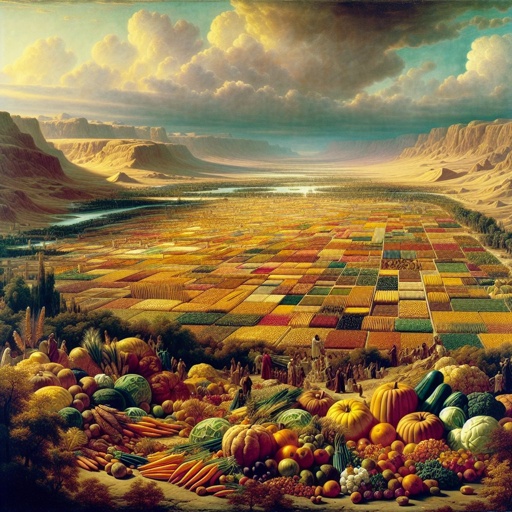
Genesis 41:48 - "And he gathered up all the food of the seven years, which were in the land of Egypt, and laid up the food in the cities: the food of the field, which was round about every city, laid he up in the same."
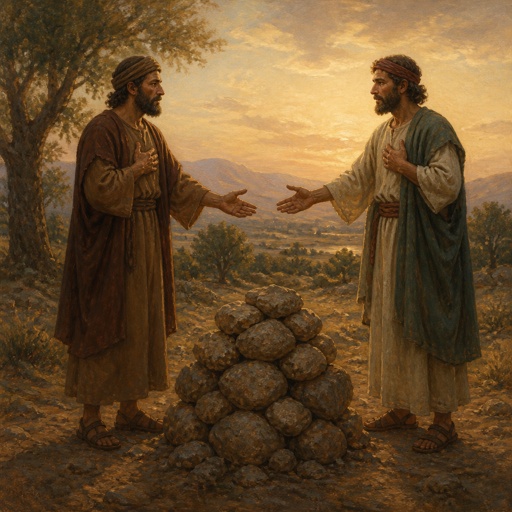
"And Laban said, This heap is a witness between me and thee this day. Therefore was the name of it called Galeed;" - Genesis 31:48

Genesis 24:48 - "And I bowed down my head, and worshipped the LORD, and blessed the LORD God of my master Abraham, which had led me in the right way to take my master's brother's daughter unto his son."
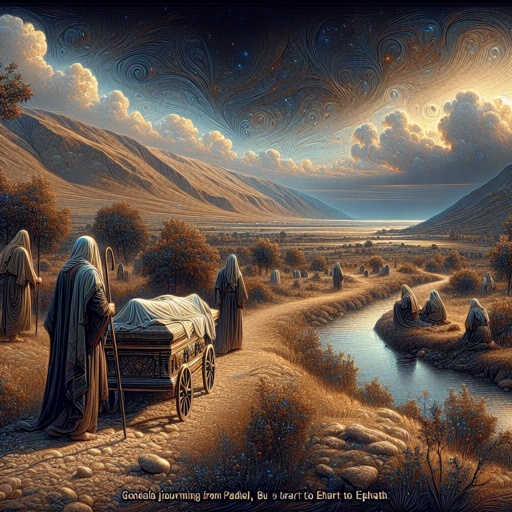
Genesis 48:7 - "And as for me, when I came from Padan, Rachel died by me in the land of Canaan in the way, when yet there was but a little way to come unto Ephrath: and I buried her there in the way of Ephrath; the same is Beth-lehem."