What does Genesis 48:6 mean?
"And thy issue, which thou begettest after them, shall be thine, and shall be called after the name of their brethren in their inheritance." - Genesis 48:6
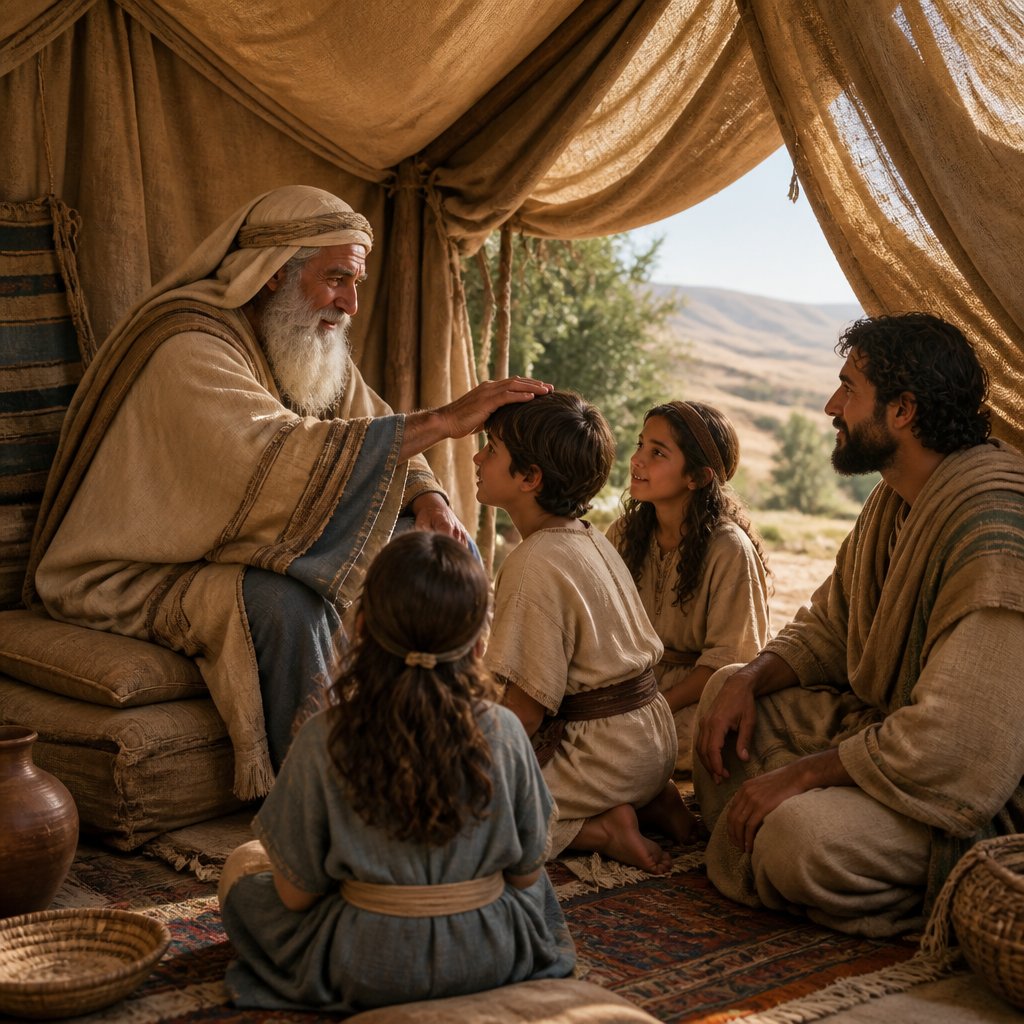
Genesis 48:6 (KJV) says, "And thy issue, which thou begettest after them, shall be thine, and shall be called after the name of their brethren in their inheritance." This verse is part of the narrative in the book of Genesis, the first book of the Bible, and it is set in the context of Jacob blessing his grandchildren, Ephraim and Manasseh. To fully understand the meaning and commentary of this verse, it is essential to delve into the themes, context, and symbolism present in the passage.
The book of Genesis is a foundational text in the Bible, and it serves as the beginning of the story of God's creation and covenant with His people. The narrative of Jacob's blessing of his grandchildren takes place as Jacob, also known as Israel, is nearing the end of his life. At this point in the story, Joseph, Jacob's son, has brought his two sons, Ephraim and Manasseh, to be blessed by their grandfather, Jacob. This blessing is a significant moment in the biblical narrative as it establishes the future of the Israelite tribes and their inheritance.
The verse in question, Genesis 48:6, contains a specific instruction from Jacob to Joseph regarding the inheritance of his sons. Jacob tells Joseph that any children he has after Ephraim and Manasseh will be considered Joseph's and will be included in their inheritance. Furthermore, these children will be called after the name of their brothers in their inheritance. This instruction holds significant symbolic and thematic meaning within the broader context of the biblical narrative.
One of the key themes present in this verse is the idea of family lineage and inheritance. In the ancient biblical world, the passing down of inheritance was of utmost importance, as it established a family's legacy and preserved their possessions and status. By instructing Joseph on the inheritance of his future children, Jacob is ensuring that his descendants will be provided for and included in the blessings promised to the Israelite tribes. This theme highlights the importance of continuity and succession within the family unit, and it sets the stage for the future of the Israelite people.
Another important theme present in this verse is the concept of naming and identity. Jacob's instruction that Joseph's future children will be called after the name of their brothers in their inheritance underscores the significance of names and their association with familial heritage. In the biblical context, names often carry a deep symbolic meaning and can serve as a reflection of one's identity and destiny. By linking the names of Joseph's future children with their brothers' inheritance, Jacob is emphasizing the unity and continuity of the family line and the importance of maintaining the family's identity and legacy.
Symbolism also plays a crucial role in understanding the deeper meaning of this verse. The act of blessing and inheritance carries profound symbolic weight in the biblical narrative, as it represents the passing down of God's promises and provision from one generation to the next. Jacob's blessing of Ephraim and Manasseh, as well as his instruction to Joseph regarding his future children, serves as a symbol of God's faithfulness and the continuation of His covenant with the Israelite people. This symbolism underscores the interconnectedness of the family unit with God's larger plan for His people, and it highlights the pivotal role of succession and inheritance in God's redemptive work.
In conclusion, Genesis 48:6 holds significant thematic, contextual, and symbolic meaning within the broader narrative of the Bible. The verse exemplifies the importance of family lineage, inheritance, and identity, while also carrying profound symbolic weight in relation to God's covenant with His people. By delving into the themes, context, and symbolism of this verse, we gain a deeper understanding of its rich significance in the biblical narrative and its timeless relevance for understanding God's plan for His people.
Have questions about Genesis 48:6?
Dive deeper into this scripture with Bible Chat — an AI-powered tool for exploring God's Word through conversation. Ask questions, get context, and grow in your understanding of the Bible.
Get Our Apps


Genesis 48:6 Artwork
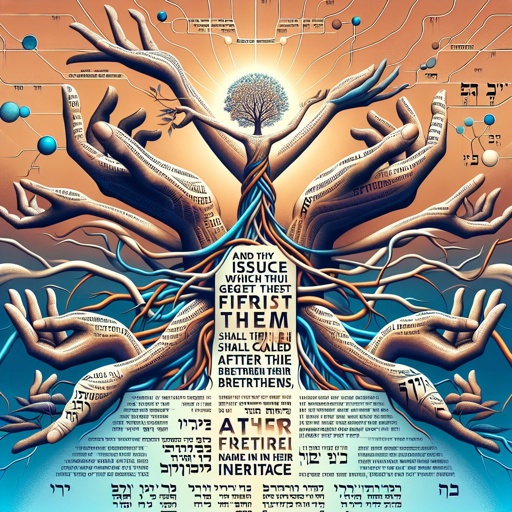
Genesis 48:6 - "And thy issue, which thou begettest after them, shall be thine, and shall be called after the name of their brethren in their inheritance."
"And thy issue, which thou begettest after them, shall be thine, and shall be called after the name of their brethren in their inheritance." - Genesis 48:6

Genesis 24-48

Genesis 48:8 - "And Israel beheld Joseph's sons, and said, Who are these?"

John 6:48 - "I am that bread of life."

Jeremiah 48:6 - "Flee, save your lives, and be like the heath in the wilderness."

Psalms 48:6 - "Fear took hold upon them there, and pain, as of a woman in travail."

Genesis 31:48 - "And Laban said, This heap is a witness between me and thee this day. Therefore was the name of it called Galeed;"
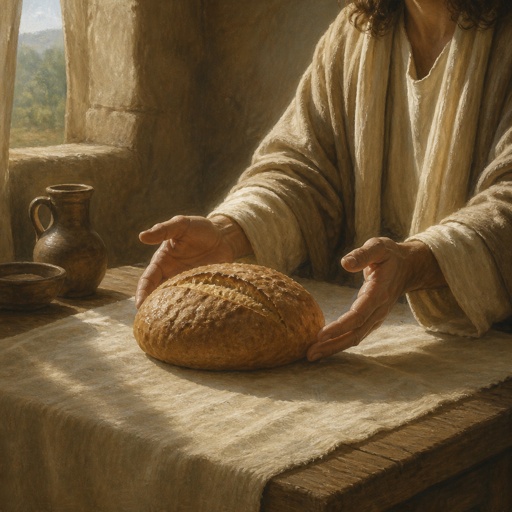
"I am that bread of life." - John 6:48

Genesis 48:3 - "And Jacob said unto Joseph, God Almighty appeared unto me at Luz in the land of Canaan, and blessed me,"

Genesis 48:12 - "And Joseph brought them out from between his knees, and he bowed himself with his face to the earth."
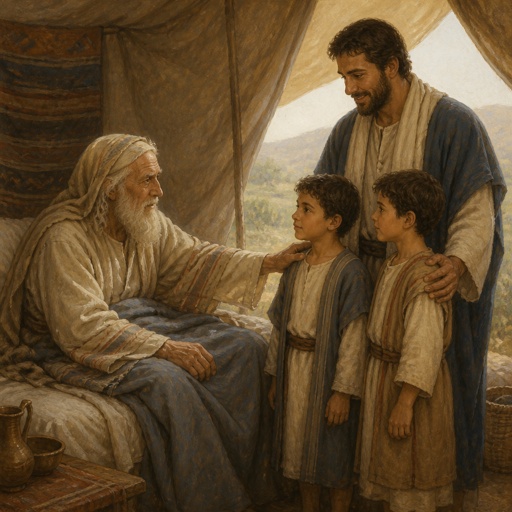
"And Israel beheld Joseph's sons, and said, Who are these?" - Genesis 48:8

Ezekiel 48:6 - "And by the border of Ephraim, from the east side even unto the west side, a portion for Reuben."

Genesis 48:18 - "And Joseph said unto his father, Not so, my father: for this is the firstborn; put thy right hand upon his head."
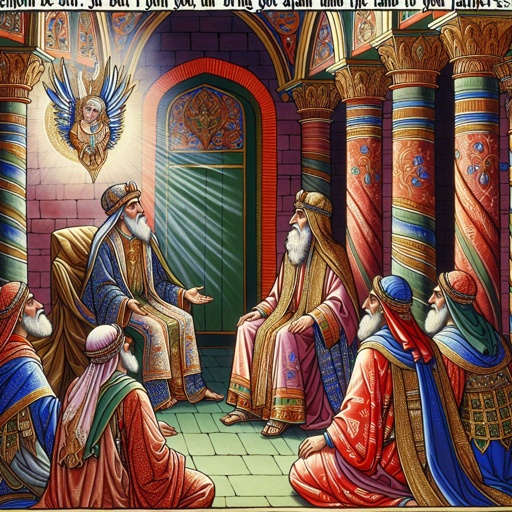
Genesis 48:21 - "And Israel said unto Joseph, Behold, I die: but God shall be with you, and bring you again unto the land of your fathers."

Genesis 48:2 - "And one told Jacob, and said, Behold, thy son Joseph cometh unto thee: and Israel strengthened himself, and sat upon the bed."

1 Chronicles 6:48 - "Their brethren also the Levites were appointed unto all manner of service of the tabernacle of the house of God."
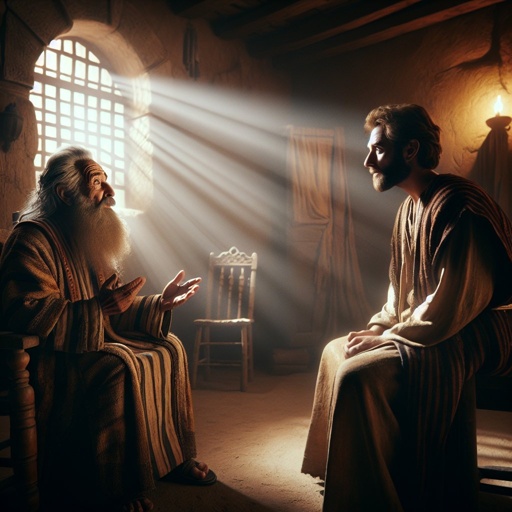
Genesis 48:11 - "And Israel said unto Joseph, I had not thought to see thy face: and, lo, God hath shewed me also thy seed."
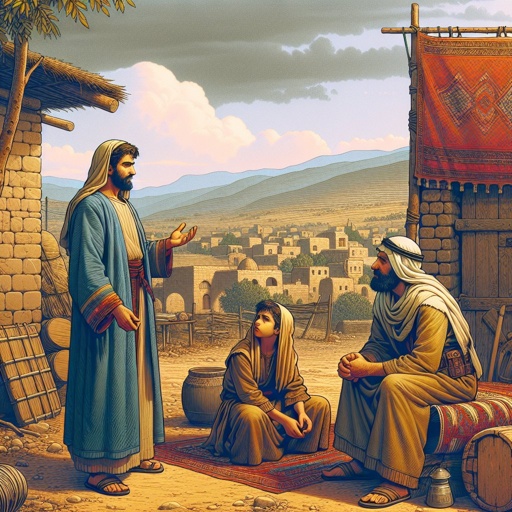
Genesis 48:1 - "And it came to pass after these things, that one told Joseph, Behold, thy father is sick: and he took with him his two sons, Manasseh and Ephraim."

"Flee, save your lives, and be like the heath in the wilderness." - Jeremiah 48:6

Genesis 48:22 - "Moreover I have given to thee one portion above thy brethren, which I took out of the hand of the Amorite with my sword and with my bow."

Genesis 48:20 - "And he blessed them that day, saying, In thee shall Israel bless, saying, God make thee as Ephraim and as Manasseh: and he set Ephraim before Manasseh."

Genesis 48:10 - "Now the eyes of Israel were dim for age, so that he could not see. And he brought them near unto him; and he kissed them, and embraced them."
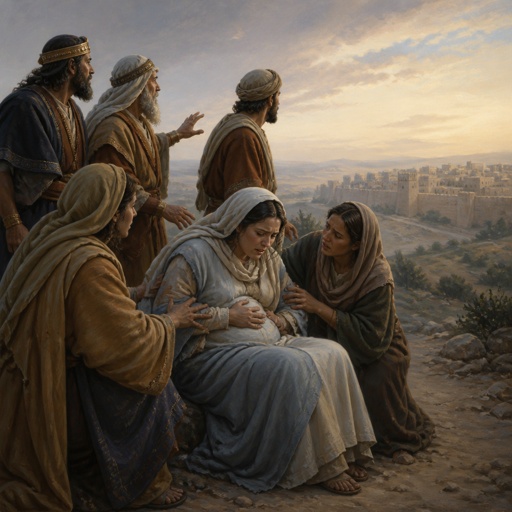
"Fear took hold upon them there, and pain, as of a woman in travail." - Psalms 48:6
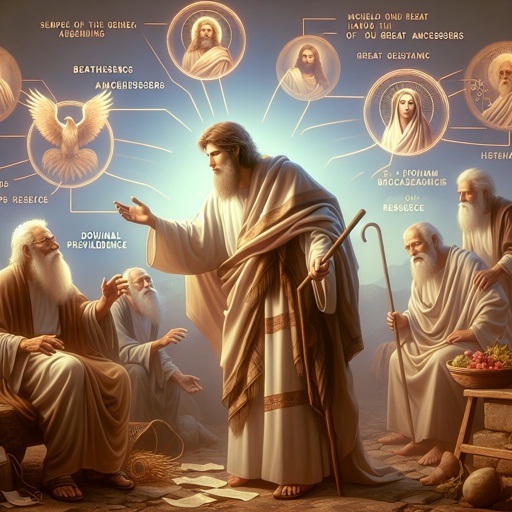
Genesis 48:15 - "¶ And he blessed Joseph, and said, God, before whom my fathers Abraham and Isaac did walk, the God which fed me all my life long unto this day,"

Genesis 48:4 - "And said unto me, Behold, I will make thee fruitful, and multiply thee, and I will make of thee a multitude of people; and will give this land to thy seed after thee for an everlasting possession."
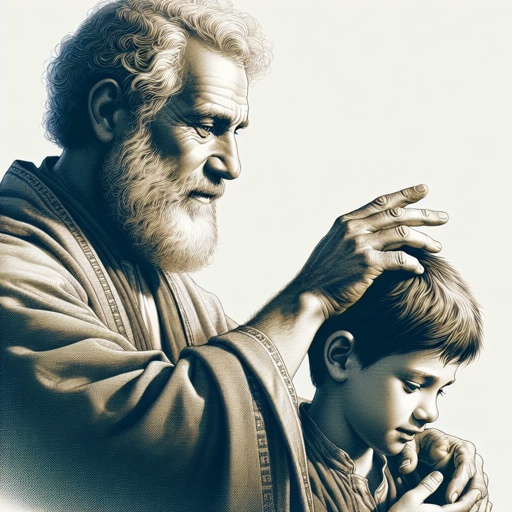
Genesis 48:14 - "And Israel stretched out his right hand, and laid it upon Ephraim's head, who was the younger, and his left hand upon Manasseh's head, guiding his hands wittingly; for Manasseh was the firstborn."

Genesis 48:5 - "¶ And now thy two sons, Ephraim and Manasseh, which were born unto thee in the land of Egypt before I came unto thee into Egypt, are mine; as Reuben and Simeon, they shall be mine."
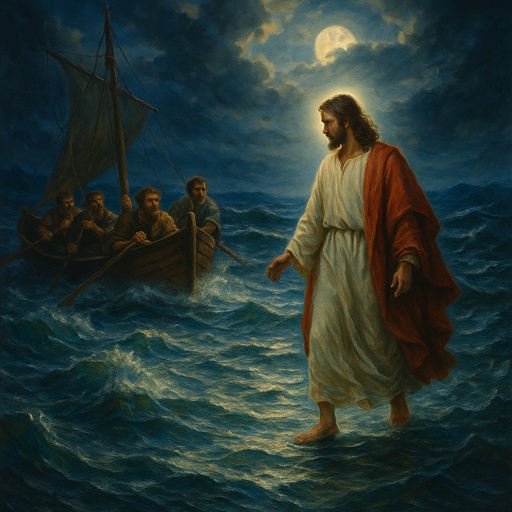
"And he saw them toiling in rowing; for the wind was contrary unto them: and about the fourth watch of the night he cometh unto them, walking upon the sea, and would have passed by them." - Mark 6:48

Genesis 48:9 - "And Joseph said unto his father, They are my sons, whom God hath given me in this place. And he said, Bring them, I pray thee, unto me, and I will bless them."