What does Genesis 46:20 mean?
"¶ And unto Joseph in the land of Egypt were born Manasseh and Ephraim, which Asenath the daughter of Poti-pherah priest of On bare unto him." - Genesis 46:20
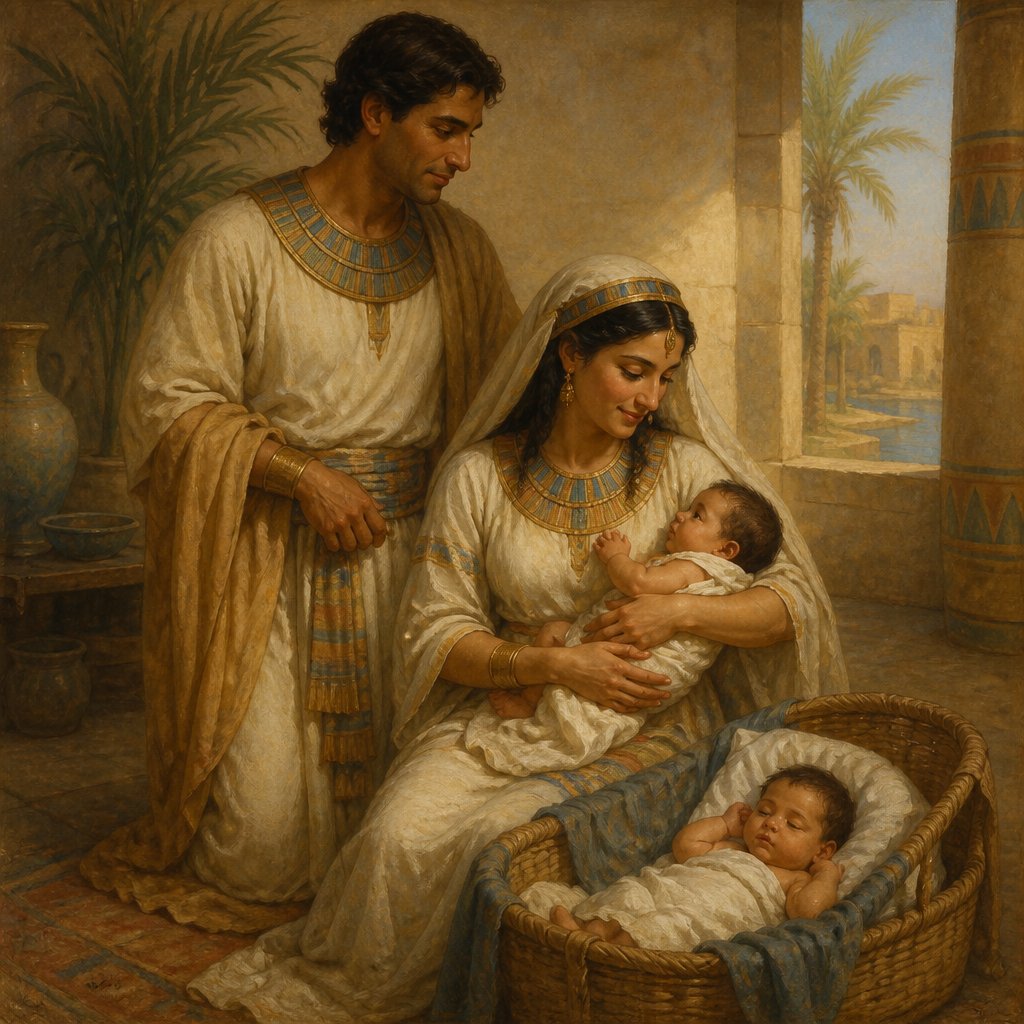
Genesis 46:20 in the King James Version (KJV) reads: "And unto Joseph in the land of Egypt were born Manasseh and Ephraim, which Asenath the daughter of Potipherah priest of On bare unto him."
This verse is part of the story of Joseph, who was one of the twelve sons of Jacob (renamed Israel) and became a prominent figure in the Old Testament. The verse specifically talks about the birth of Joseph's sons Manasseh and Ephraim, who were born in the land of Egypt to Joseph and his wife Asenath, the daughter of Potipherah, priest of On.
The birth of Manasseh and Ephraim is significant within the broader narrative of the book of Genesis. It represents a fulfillment of God's promise and the continuation of the lineage of Abraham, Isaac, and Jacob. Additionally, the birth of these two sons in Egypt marks a continuation of the story of the Israelites' sojourn in the land of Egypt, a theme that is central to the book of Genesis.
One of the key themes in the book of Genesis is the fulfillment of God's promises. Throughout the book, God makes several promises to Abraham, Isaac, and Jacob, including promises related to the future of their offspring and the land that God will give to them. The birth of Manasseh and Ephraim to Joseph and Asenath is a direct fulfillment of God's promise to bless and multiply the descendants of Abraham, and it reaffirms the continuity of God's covenant with the patriarchs.
Another important theme in Genesis 46:20 is the preservation of the Israelite lineage. Despite being in the land of Egypt, which was a foreign land with different customs and religious practices, Joseph's marriage to Asenath ensures the preservation of the Israelite lineage. The inclusion of Asenath's parentage – being the daughter of Potipherah, priest of On – is also notable, as it highlights the interweaving of the Israelite lineage with the indigenous Egyptian culture. This union not only ensured the continuation of the family line but also laid the foundation for the eventual emergence of the nation of Israel.
The inclusion of the reference to Asenath's father, Potipherah, priest of On, also adds a layer of context and symbolism to the verse. On was an important city in ancient Egypt, with a rich religious and cultural significance. The fact that Asenath was the daughter of a priest underscores the intersection of the Israelite and Egyptian cultures, as well as the integration of religious practices.
Additionally, the names of Joseph's sons, Manasseh and Ephraim, bear their own symbolism. Manasseh's name means "causing to forget," as Joseph expressed that God made him forget all his toil and his father's house (Genesis 41:51). Ephraim's name means "double fruitfulness," signifying Joseph's prosperity and blessing in the land of Egypt. These names reflect the providence of God in Joseph's life and the fulfillment of His promises to him.
Overall, Genesis 46:20 is a pivotal verse in the broader narrative of the book of Genesis, underscoring themes of God's faithfulness in fulfilling His promises, the preservation of the Israelite lineage, and the integration of various cultures and religious practices. The birth of Manasseh and Ephraim to Joseph and Asenath directly contributes to the unfolding story of the Israelites' sojourn in Egypt and ultimately sets the stage for the fulfillment of God's covenant with the nation of Israel.
Have questions about Genesis 46:20?
Dive deeper into this scripture with Bible Chat — an AI-powered tool for exploring God's Word through conversation. Ask questions, get context, and grow in your understanding of the Bible.
Get Our Apps


Genesis 46:20 Artwork

Genesis 46:20 - "¶ And unto Joseph in the land of Egypt were born Manasseh and Ephraim, which Asenath the daughter of Poti-pherah priest of On bare unto him."
"¶ And unto Joseph in the land of Egypt were born Manasseh and Ephraim, which Asenath the daughter of Poti-pherah priest of On bare unto him." - Genesis 46:20

Genesis 46:23 - "¶ And the sons of Dan; Hushim."

Genesis 24-46

Genesis 46:9 - "And the sons of Reuben; Hanoch, and Phallu, and Hezron, and Carmi."

Genesis 46:11 - "¶ And the sons of Levi; Gershon, Kohath, and Merari."

Genesis 46:14 - "¶ And the sons of Zebulun; Sered, and Elon, and Jahleel."

Genesis 46:24 - "¶ And the sons of Naphtali; Jahzeel, and Guni, and Jezer, and Shillem."

Genesis 46:13 - "¶ And the sons of Issachar; Tola, and Phuvah, and Job, and Shimron."

Genesis 46:19 - "The sons of Rachel Jacob's wife; Joseph, and Benjamin."
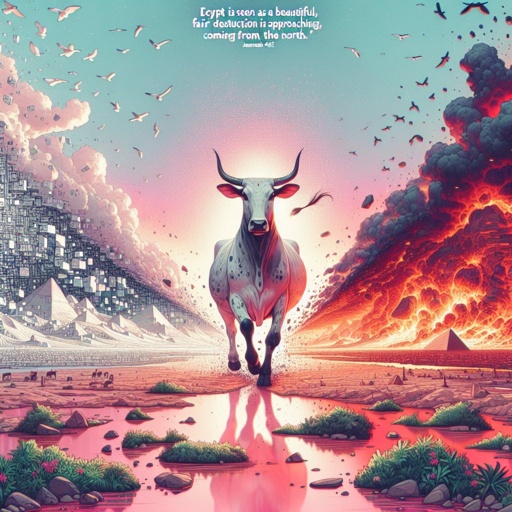
Jeremiah 46:20 - "Egypt is like a very fair heifer, but destruction cometh; it cometh out of the north."

Genesis 46:22 - "These are the sons of Rachel, which were born to Jacob: all the souls were fourteen."
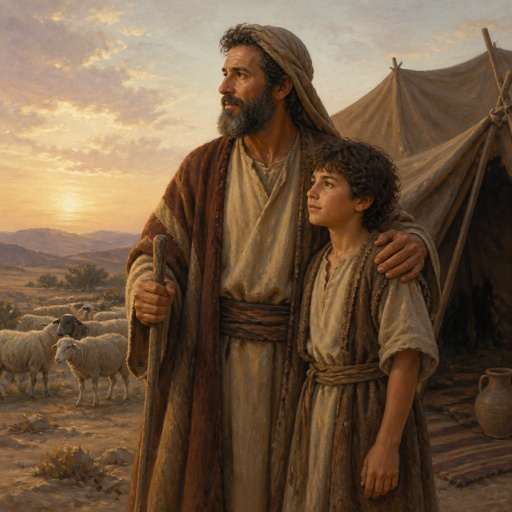
"¶ And the sons of Dan; Hushim." - Genesis 46:23

Genesis 46:16 - "¶ And the sons of Gad; Ziphion, and Haggi, Shuni, and Ezbon, Eri, and Arodi, and Areli."

Genesis 46:21 - "¶ And the sons of Benjamin were Belah, and Becher, and Ashbel, Gera, and Naaman, Ehi, and Rosh, Muppim, and Huppim, and Ard."

"¶ And the sons of Issachar; Tola, and Phuvah, and Job, and Shimron." - Genesis 46:13
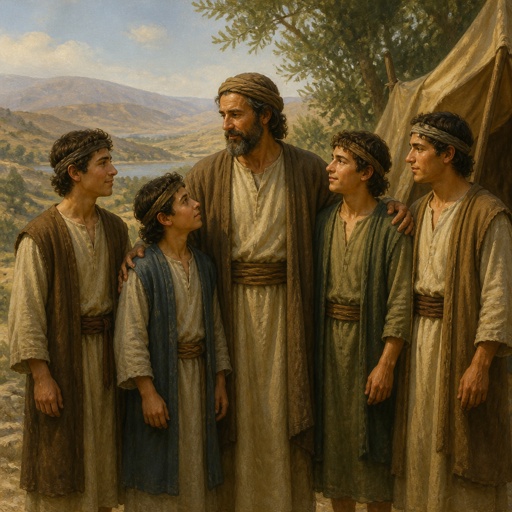
"¶ And the sons of Naphtali; Jahzeel, and Guni, and Jezer, and Shillem." - Genesis 46:24

"The sons of Rachel Jacob's wife; Joseph, and Benjamin." - Genesis 46:19

Genesis 46:2 - "And God spake unto Israel in the visions of the night, and said, Jacob, Jacob. And he said, Here am I."

Genesis 46:10 - "¶ And the sons of Simeon; Jemuel, and Jamin, and Ohad, and Jachin, and Zohar, and Shaul the son of a Canaanitish woman."

"¶ And the sons of Levi; Gershon, Kohath, and Merari." - Genesis 46:11

"¶ And the sons of Zebulun; Sered, and Elon, and Jahleel." - Genesis 46:14

Genesis 46:18 - "These are the sons of Zilpah, whom Laban gave to Leah his daughter, and these she bare unto Jacob, even sixteen souls."

Genesis 46:28 - "¶ And he sent Judah before him unto Joseph, to direct his face unto Goshen; and they came into the land of Goshen."

Genesis 31:46 - "And Jacob said unto his brethren, Gather stones; and they took stones, and made an heap: and they did eat there upon the heap."

Genesis 46:8 - "¶ And these are the names of the children of Israel, which came into Egypt, Jacob and his sons: Reuben, Jacob's firstborn."

Genesis 46:17 - "¶ And the sons of Asher; Jimnah, and Ishuah, and Isui, and Beriah, and Serah their sister: and the sons of Beriah; Heber, and Malchiel."

Luke 20:46 - "Beware of the scribes, which desire to walk in long robes, and love greetings in the markets, and the highest seats in the synagogues, and the chief rooms at feasts;"

Genesis 46:32 - "And the men are shepherds, for their trade hath been to feed cattle; and they have brought their flocks, and their herds, and all that they have."

Genesis 46:33 - "And it shall come to pass, when Pharaoh shall call you, and shall say, What is your occupation?"