What does Genesis 3:23 mean?
"Therefore the LORD God sent him forth from the garden of Eden, to till the ground from whence he was taken." - Genesis 3:23
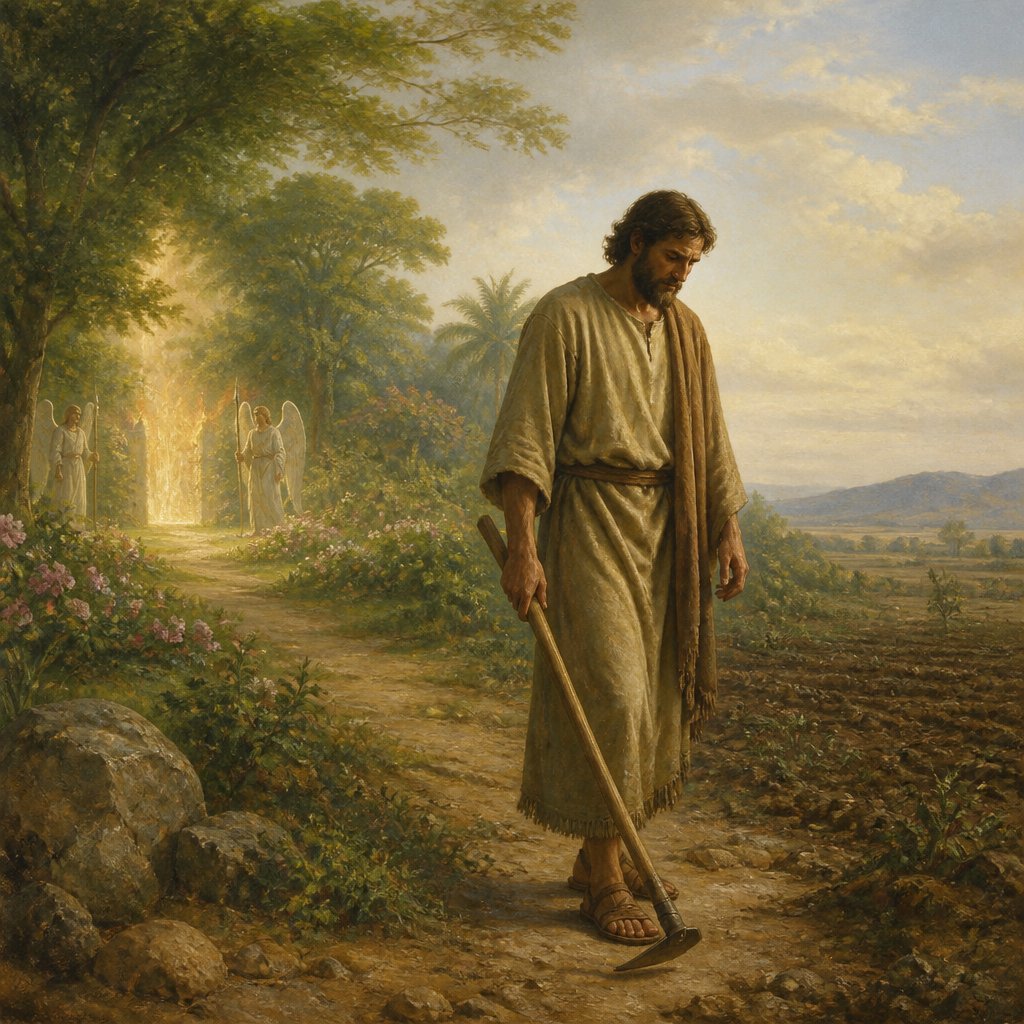
Genesis 3:23 (KJV) reads, "Therefore the Lord God sent him forth from the garden of Eden, to till the ground from whence he was taken." This verse is a part of the story of Adam and Eve and their fall from grace in the Garden of Eden. It marks the moment when they are banished from Eden and sent to toil and labor outside of the paradise they once called home.
The context of this verse begins with the creation of Adam and Eve, the first man and woman in the Bible. They were placed in the Garden of Eden, a perfect and harmonious environment where they could live in close communion with God. However, soon after they were created, they were tempted by the serpent, who was actually Satan in disguise. They disobeyed God's command and ate from the Tree of the Knowledge of Good and Evil, thus bringing sin and death into the world.
As a result of their disobedience, God had to punish them. In Genesis 3:16-19, God pronounces various curses on Adam and Eve and the serpent. Then in verse 23, God carries out their punishment by sending them out of the Garden of Eden to live a life of hardship and labor.
The themes present in this verse are disobedience, punishment, and consequences. It illustrates the gravity of sin and the repercussions it has on humanity. It also reveals God's justice and his unwavering commitment to uphold his standards. Furthermore, it emphasizes the importance of obedience and the severity of disobedience.
The symbolism in this verse is quite potent. The Garden of Eden is often viewed as a symbol of paradise and perfection. It represents a place where humanity was in perfect relationship with God, with no sin or hardship. When Adam and Eve were banished from the Garden, it symbolized their separation from God due to sin. The act of tilling the ground, which was part of their punishment, signifies the toil and labor that would become a part of human existence outside of paradise. This symbolizes how sin has introduced suffering and hard work into the human experience.
Furthermore, the act of being expelled from the Garden represents the loss of innocence and the shift from a state of peace and harmony to a world tainted by sin. It also serves as a reminder of the consequences of disobedience and the seriousness of sin in the eyes of God.
In a larger theological context, this verse from Genesis ties into the overall narrative of the Bible. It sets the stage for the need for salvation and redemption, which is ultimately fulfilled through Jesus Christ. The fall of Adam and Eve in the Garden of Eden highlights the brokenness and sinfulness of humanity, and the need for a savior to reconcile humanity with God.
In conclusion, Genesis 3:23 from the King James Version of the Bible serves as a pivotal moment in the story of Adam and Eve and the fall of humanity. It reveals the consequences of disobedience and the severity of sin, while also pointing towards the need for redemption and salvation. The verse carries significant themes, context, and symbolism, all of which contribute to the larger biblical narrative of God's plan for humanity.
Have questions about Genesis 3:23?
Dive deeper into this scripture with Bible Chat — an AI-powered tool for exploring God's Word through conversation. Ask questions, get context, and grow in your understanding of the Bible.
Get Our Apps


Genesis 3:23 Artwork

Genesis 3:23

Genesis 3:23 - "Therefore the LORD God sent him forth from the garden of Eden, to till the ground from whence he was taken."
"Therefore the LORD God sent him forth from the garden of Eden, to till the ground from whence he was taken." - Genesis 3:23

Genesis 23-3

Genesis 23:3 - "¶ And Abraham stood up from before his dead, and spake unto the sons of Heth, saying,"
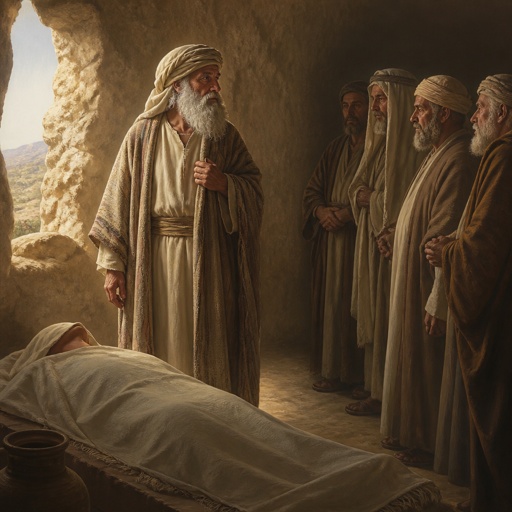
"¶ And Abraham stood up from before his dead, and spake unto the sons of Heth, saying," - Genesis 23:3

Genesis 23-19

Genesis 23-13

Genesis 23:11

Genesis 23-17

Genesis 23-9

Genesis 23-18

Genesis 23-12

Genesis 23-5

Genesis 23:2

Genesis 23-4

Genesis 17-23

Genesis 23:1

Genesis 23-10

Genesis 23-16

Genesis 23-6

Genesis 23-8

Genesis 25-23

Genesis 22-23

Genesis 18-23

Genesis 19-23

Genesis 23-14
Genesis 21-23

Genesis 23-7

Genesis 24-23