What does Genesis 37:29 mean?
"¶ And Reuben returned unto the pit; and, behold, Joseph was not in the pit; and he rent his clothes." - Genesis 37:29
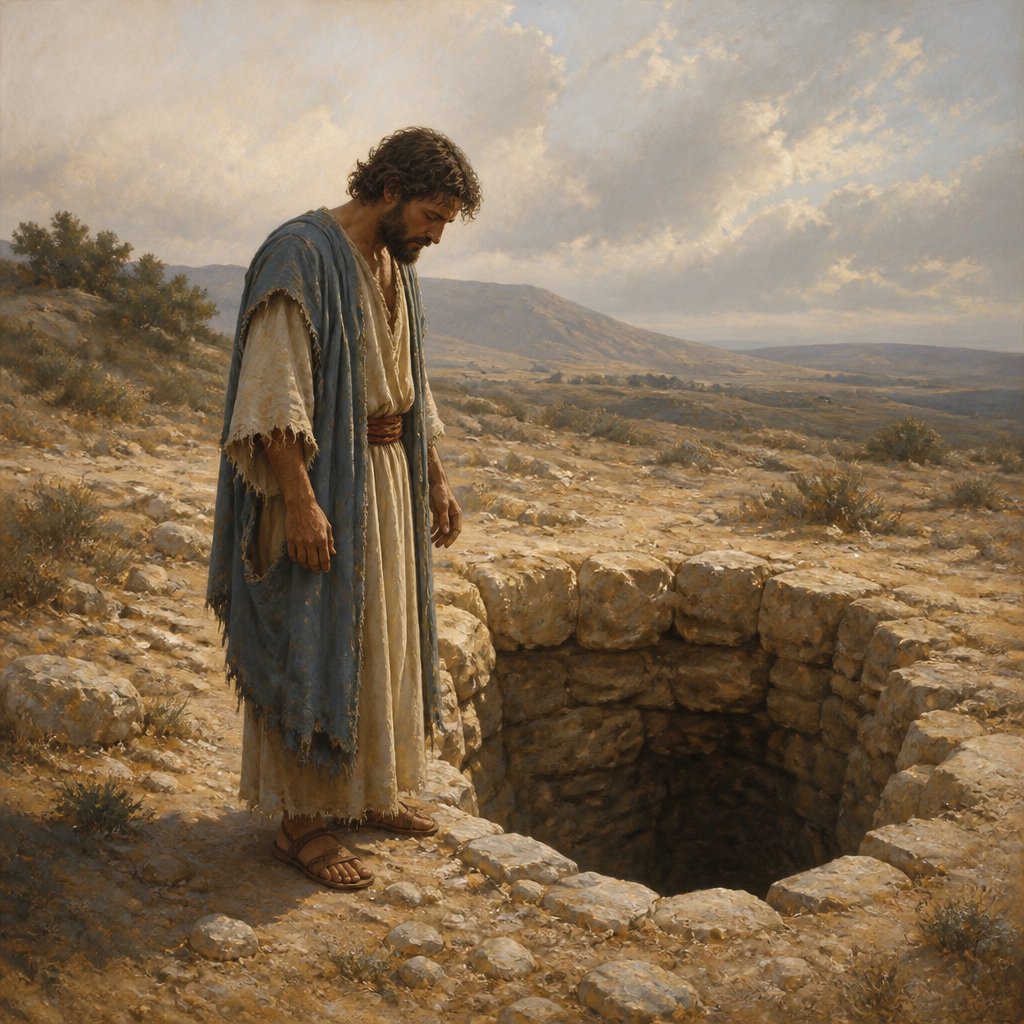
Genesis 37:29 (KJV) reads, "And Reuben returned unto the pit; and, behold, Joseph was not in the pit; and he rent his clothes." This verse is part of the larger narrative of the story of Joseph, the son of Jacob, and his journey from being sold into slavery by his jealous brothers to eventually becoming a powerful and influential leader in Egypt. The story of Joseph is one of the most well-known and beloved stories in the Bible, and it contains many significant themes, contexts, and symbols that continue to resonate with readers to this day.
The verse is located in the first book of the Bible, Genesis, which is also known as the Book of Beginnings. This book sets the stage for the entire biblical narrative, introducing key themes and characters that will play a significant role in the unfolding of God's plan for humanity. In the case of the Joseph story, it is a story of betrayal, redemption, and God's providential care for His people.
The verse in question comes at a crucial point in the story, after Joseph's brothers have plotted to kill him out of jealousy but have instead sold him into slavery. Reuben, the oldest brother and the one who had initially planned to save Joseph from harm, returns to the pit where they had left Joseph, only to find it empty. Seeing that Joseph is no longer there, Reuben tears his clothes in anguish and despair.
The tearing of clothes was a common sign of mourning and distress in ancient Israel, and it often signified a deep emotional response to a tragic event. In this context, Reuben's action indicates his intense grief and regret over what has happened to Joseph. This moment serves as a turning point in the story, as it reveals the full impact of the brothers' betrayal and sets the stage for the rest of the narrative.
One of the key themes in this verse and the larger Joseph story is the idea of divine providence. Throughout the story, God is subtly at work behind the scenes, orchestrating events in such a way that even the evil intentions of Joseph's brothers ultimately serve a greater purpose. Joseph himself later acknowledges this when he reflects on his experiences, stating, "You intended to harm me, but God intended it for good to accomplish what is now being done, the saving of many lives" (Genesis 50:20, KJV).
This theme of divine providence is a powerful reminder that God can use even the most difficult and painful circumstances for His ultimate purposes. It's a message of hope and encouragement for those who may be experiencing challenges and difficulties, assuring them that God is still in control and working out His plans for their lives, even when it may not be immediately apparent.
The story of Joseph also contains important lessons about forgiveness, reconciliation, and the power of God's grace to bring healing and restoration. Despite the betrayal and mistreatment he suffers at the hands of his brothers, Joseph ultimately chooses to forgive them and seeks reconciliation with them. This act of forgiveness ultimately leads to a powerful and emotional reunion between Joseph and his brothers, as well as a renewed sense of unity and peace within their family.
The symbolism in this verse can be seen in the act of tearing clothes, which symbolizes the deep inner turmoil and grief that Reuben is experiencing at that moment. It also serves as a visual representation of the brokenness and disunity that has been caused by the brothers' actions, which will ultimately be healed through the redemptive work of God.
In conclusion, Genesis 37:29 (KJV) is a pivotal verse in the story of Joseph, conveying a powerful message of divine providence, forgiveness, and the transformative power of God's grace. It serves as a reminder that even in the midst of betrayal and suffering, God is still at work, bringing about His purposes and ultimately turning even the darkest situations into something beautiful. The symbols and themes in this verse continue to speak to readers today, offering timeless truths and insights that resonate with the human experience.
Have questions about Genesis 37:29?
Dive deeper into this scripture with Bible Chat — an AI-powered tool for exploring God's Word through conversation. Ask questions, get context, and grow in your understanding of the Bible.
Get Our Apps


Genesis 37:29 Artwork

Genesis 37:29 - "¶ And Reuben returned unto the pit; and, behold, Joseph was not in the pit; and he rent his clothes."
"¶ And Reuben returned unto the pit; and, behold, Joseph was not in the pit; and he rent his clothes." - Genesis 37:29

genesis 37

Psalms 37:29 - "The righteous shall inherit the land, and dwell therein for ever."

Genesis 19-37

Genesis 24-37

Genesis 37:2

Exodus 37:29 - "¶ And he made the holy anointing oil, and the pure incense of sweet spices, according to the work of the apothecary."

Numbers 29:37 - "Their meat offering and their drink offerings for the bullock, for the ram, and for the lambs, shall be according to their number, after the manner:"

Genesis 37:19 - "And they said one to another, Behold, this dreamer cometh."

Genesis 37:12 - "¶ And his brethren went to feed their father's flock in Shechem."

Genesis 29:29 - "And Laban gave to Rachel his daughter Bilhah his handmaid to be her maid."

Genesis 29-2

Genesis 29-6

Genesis 29-5

Genesis 42:29

Genesis 29-7

Genesis 29:1

Genesis 18-29

Genesis 26:29

Genesis 29-3

Genesis 19-29

Genesis 29-8

Genesis 29-4

Genesis 21-29

Genesis 24-29

Genesis 37:24 - "And they took him, and cast him into a pit: and the pit was empty, there was no water in it."

Genesis 37:11 - "And his brethren envied him; but his father observed the saying."

Genesis 41:37 - "¶ And the thing was good in the eyes of Pharaoh, and in the eyes of all his servants."
Genesis 36:37 - "And Samlah died, and Saul of Rehoboth by the river reigned in his stead."