What does Genesis 35:21 mean?
"¶ And Israel journeyed, and spread his tent beyond the tower of Edar." - Genesis 35:21
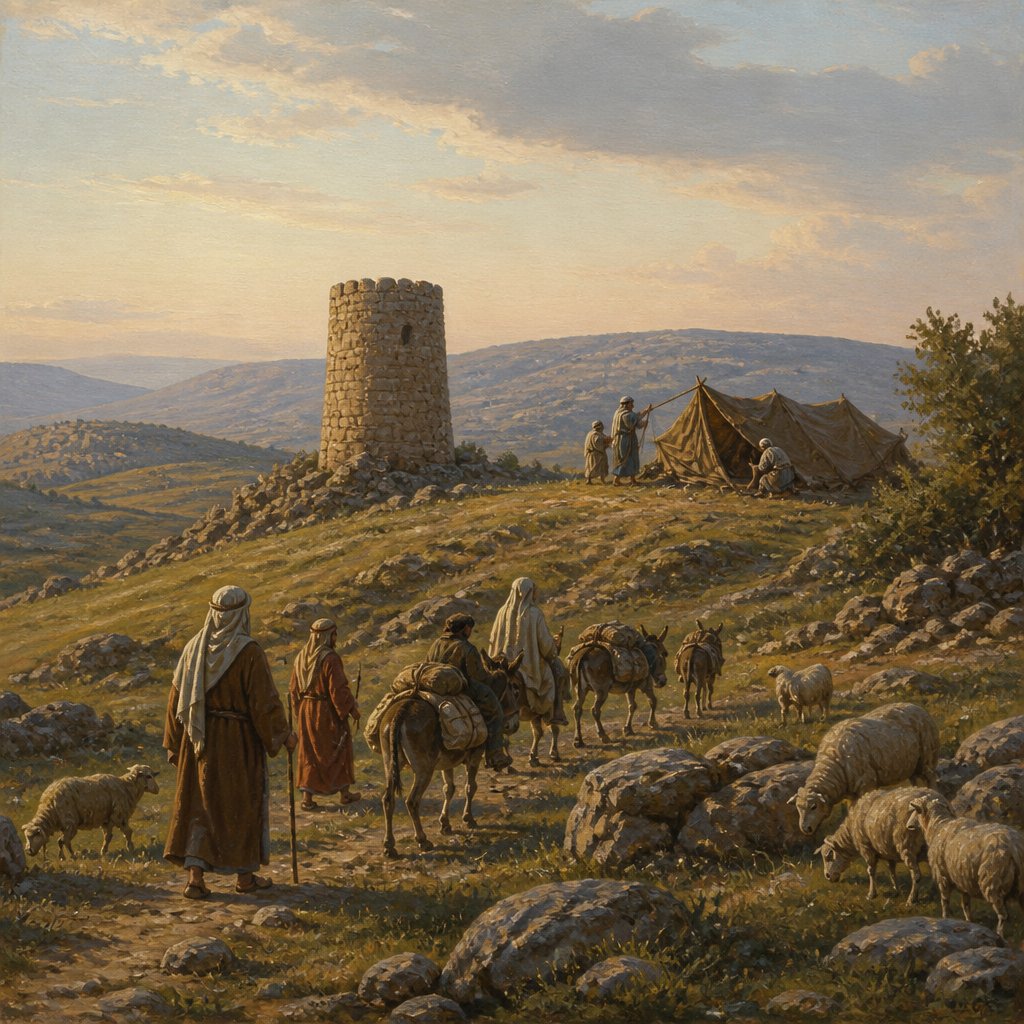
Genesis 35:21 (King James Version) reads: "And Israel journeyed, and spread his tent beyond the tower of Edar."
This verse comes from the book of Genesis, which is the first book of the Bible and is part of the Pentateuch, also known as the Torah. Genesis is a foundational text in the Bible, and it tells the story of the creation of the world, the fall of humanity, and the patriarchs of Israel, including Abraham, Isaac, and Jacob.
In this particular verse, Israel, who is also known as Jacob, has just returned to Bethel after burying his wife's nurse, Deborah. This journey marks a significant moment in Israel's life as he is returning to the place where he first encountered God (Genesis 28:10-22). The fact that Israel spread his tent beyond the tower of Edar signifies a continued movement away from the familiar and into new territory.
One of the key themes present in this verse is journeying and life transitions. Throughout the Bible, journeying is often used as a metaphor for the spiritual journey of faith. Israel's physical journey reflects the spiritual journey of his life, as he moves from one place to another, facing triumphs, trials, and pivotal moments along the way. The act of spreading his tent beyond the tower of Edar symbolizes a willingness to move beyond the limited confines of his current situation and to embrace new possibilities.
The tower of Edar itself holds symbolic significance as well. In Hebrew, Edar means "flock," and it is likely that this tower was used as a lookout to watch over the flocks of sheep. In the context of Israel's journey, the tower of Edar can be seen as a reminder of God's provision and protection. Just as a shepherd watches over his flock, God watches over and cares for His people. By journeying beyond the tower of Edar, Israel is stepping out in faith, trusting in God's guidance and provision as he enters new territory.
Another important aspect of this verse is the mention of Israel spreading his tent. Tents are often associated with the temporary and mobile nature of human existence. In the Bible, tents are used to symbolize the impermanence of earthly life, in contrast to the eternal nature of God's kingdom. By spreading his tent, Israel is acknowledging his temporary dwelling on earth and his ultimate hope in God's promises for the future.
The use of the name "Israel" in this verse is also significant. Throughout the Bible, names hold deep meaning, and the name Israel itself carries a rich history. It was given to Jacob after he wrestled with God and persevered (Genesis 32:28). Israel means "he struggles with God," and it serves as a reminder of the challenges and trials that Jacob has faced in his spiritual journey. In this verse, the use of the name Israel emphasizes the ongoing nature of Jacob's journey and his continued struggle for spiritual growth and understanding.
In conclusion, Genesis 35:21 is a rich and multi-layered verse that captures the themes of journeying, transition, and faith. It symbolizes Israel's willingness to move beyond the familiar and to embrace new possibilities, as well as his trust in God's provision and protection. It also serves as a reminder of the impermanence of earthly life and the ultimate hope found in God's promises. This verse is a powerful reflection of the spiritual journey of faith and the ongoing struggle for growth and understanding.
Have questions about Genesis 35:21?
Dive deeper into this scripture with Bible Chat — an AI-powered tool for exploring God's Word through conversation. Ask questions, get context, and grow in your understanding of the Bible.
Get Our Apps


Genesis 35:21 Artwork

Genesis 35:21 - "¶ And Israel journeyed, and spread his tent beyond the tower of Edar."
"¶ And Israel journeyed, and spread his tent beyond the tower of Edar." - Genesis 35:21

Picture representing Numbers 21:21-35

Genesis 26:35

Genesis 19-35

Genesis 31:35

Genesis 24-35

Genesis 35:16-20

genesis 26:1-35

Genesis 29:16-35

Genesis 35:24 - "The sons of Rachel; Joseph, and Benjamin:"

Genesis 35:25 - "And the sons of Bilhah, Rachel's handmaid; Dan, and Naphtali:"

Genesis 35:28 - "And the days of Isaac were an hundred and fourscore years."

Joshua 21:35 - "Dimnah with her suburbs, Nahalal with her suburbs; four cities."

Genesis 26:35 - "Which were a grief of mind unto Isaac and to Rebekah."

Genesis 21-21

Luke 21:35 - "For as a snare shall it come on all them that dwell on the face of the whole earth."

Genesis 35:19 - "And Rachel died, and was buried in the way to Ephrath, which is Beth-lehem."

Matthew 21:35 - "And the husbandmen took his servants, and beat one, and killed another, and stoned another."

"The sons of Rachel; Joseph, and Benjamin:" - Genesis 35:24

Genesis 35:15 - "And Jacob called the name of the place where God spake with him, Beth-el."

Genesis 35:23 - "The sons of Leah; Reuben, Jacob's firstborn, and Simeon, and Levi, and Judah, and Issachar, and Zebulun:"

Genesis 35:13 - "And God went up from him in the place where he talked with him."

Acts 21:35 - "And when he came upon the stairs, so it was, that he was borne of the soldiers for the violence of the people."

Genesis 27:35 - "And he said, Thy brother came with subtilty, and hath taken away thy blessing."

Genesis 35:20 - "And Jacob set a pillar upon her grave: that is the pillar of Rachel's grave unto this day."

Genesis 1:21

Genesis 1:21
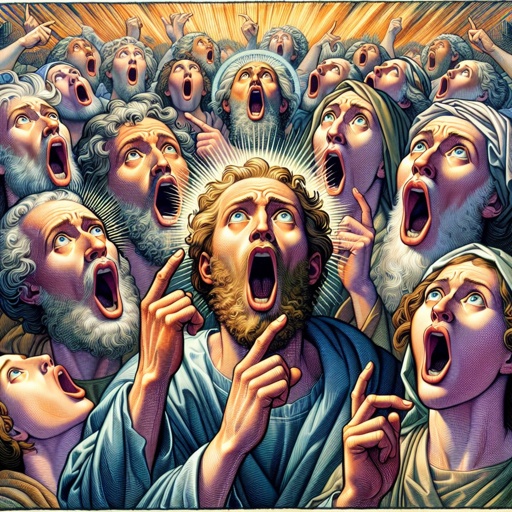
Psalms 35:21 - "Yea, they opened their mouth wide against me, and said, Aha, aha, our eye hath seen it."

Genesis 35:9 - "¶ And God appeared unto Jacob again, when he came out of Padan-aram, and blessed him."