What does Genesis 35:19 mean?
"And Rachel died, and was buried in the way to Ephrath, which is Beth-lehem." - Genesis 35:19
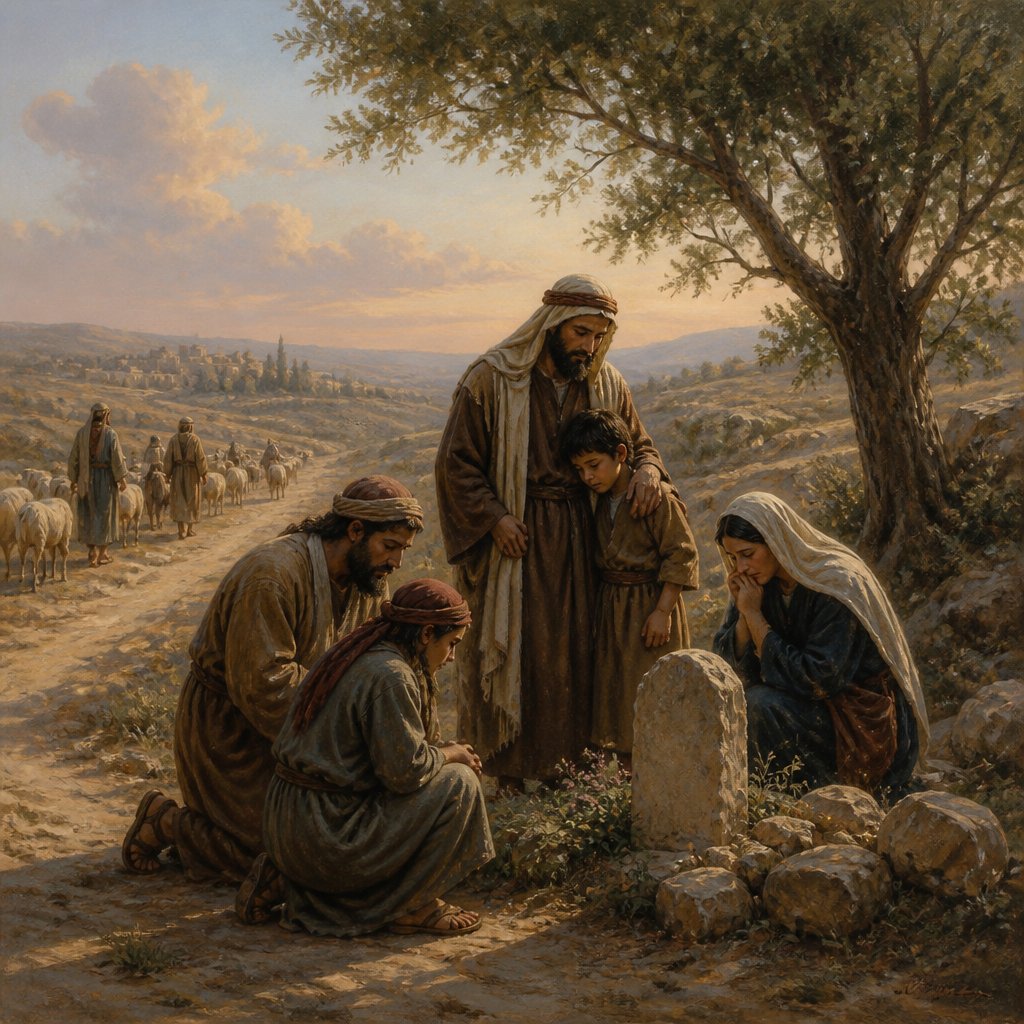
Genesis 35:19 (KJV) reads: "And Rachel died, and was buried in the way to Ephrath, which is Bethlehem."
This verse is a part of the larger narrative in the book of Genesis that tells the story of the patriarchs and matriarchs of the Israelites. Specifically, this verse marks the death of Rachel, the beloved wife of Jacob. Rachel's death marks a significant point in the narrative of the Israelite people, and it holds great symbolic and thematic significance within the broader context of the Bible.
Rachel's death occurs as she gives birth to her second son, Benjamin, near Bethlehem. This event is significant for several reasons. First, it marks the tragic end of Rachel's life, a woman who is characterized in the Bible as beautiful and beloved by her husband. The grief and sorrow over her death is evident in Jacob's reaction, as he mourns her passing deeply. This illustrates the human experience of loss and the deep emotional pain that comes with it.
Additionally, Rachel's death has broader implications in the biblical narrative. Throughout the book of Genesis, the theme of childbirth and lineage is a recurring motif. The birth of children is often tied to the fulfillment of God's promises and the continuation of the line of Abraham. Rachel's death in childbirth represents the fragility of life and the harsh reality of mortality. This theme of life and death is central to the human experience and is a recurring motif throughout the Bible.
The location of Rachel's burial also holds symbolic significance. She is buried in the way to Ephrath, which is later known as Bethlehem. Bethlehem is a place that holds great importance in the biblical narrative, as it is the birthplace of King David and, according to the New Testament, Jesus Christ. Rachel's burial near Bethlehem foreshadows the future significance of this place as the birthplace of the Messiah, linking her story to the broader redemptive narrative of the Bible.
The death of Rachel also has thematic implications for the broader biblical narrative. Her passing serves as a reminder of the consequences of sin and the brokenness of the world. In the larger context of the Israelite people, her death serves as a marker of their suffering and the hardships they endure. This theme of suffering and endurance is a recurring motif in the Bible, as it speaks to the human experience of pain and the need for redemption.
Furthermore, Rachel's death serves as a reminder of the faithfulness and sovereignty of God. Even in the midst of tragedy and loss, God remains present and active in the lives of his people. This theme of God's faithfulness in the midst of suffering is a foundational aspect of the biblical narrative, and it provides hope and comfort to those who endure trials and tribulations.
In conclusion, Genesis 35:19 marks the poignant moment of Rachel's death, a significant event in the broader biblical narrative. Her passing carries thematic and symbolic implications that speak to the human experience of loss, the fragility of life, and the faithfulness of God. Her burial near Bethlehem also ties her story to the broader redemptive narrative of the Bible, serving as a foreshadowing of the future significance of this place. Ultimately, Rachel's death serves as a reminder of the enduring themes of suffering and redemption that are central to the biblical narrative.
Have questions about Genesis 35:19?
Dive deeper into this scripture with Bible Chat — an AI-powered tool for exploring God's Word through conversation. Ask questions, get context, and grow in your understanding of the Bible.
Get Our Apps


Genesis 35:19 Artwork

Genesis 35:19 - "And Rachel died, and was buried in the way to Ephrath, which is Beth-lehem."
"And Rachel died, and was buried in the way to Ephrath, which is Beth-lehem." - Genesis 35:19

Genesis 19-35

Genesis 26:35

Genesis 31:35

Genesis 24-35

genesis 26:1-35

Genesis 35:16-20

Genesis 29:16-35

Genesis 35:24 - "The sons of Rachel; Joseph, and Benjamin:"

Genesis 35:25 - "And the sons of Bilhah, Rachel's handmaid; Dan, and Naphtali:"

2 Chronicles 35:19 - "In the eighteenth year of the reign of Josiah was this passover kept."

Joshua 19:35 - "And the fenced cities are Ziddim, Zer, and Hammath, Rakkath, and Chinnereth,"

Genesis 35:28 - "And the days of Isaac were an hundred and fourscore years."

Genesis 26:35 - "Which were a grief of mind unto Isaac and to Rebekah."

Leviticus 19:35 - "¶ Ye shall do no unrighteousness in judgment, in meteyard, in weight, or in measure."

Genesis 19-19

Genesis 35:21 - "¶ And Israel journeyed, and spread his tent beyond the tower of Edar."

Luke 19:35 - "And they brought him to Jesus: and they cast their garments upon the colt, and they set Jesus thereon."

"The sons of Rachel; Joseph, and Benjamin:" - Genesis 35:24

Genesis 35:15 - "And Jacob called the name of the place where God spake with him, Beth-el."

Genesis 35:23 - "The sons of Leah; Reuben, Jacob's firstborn, and Simeon, and Levi, and Judah, and Issachar, and Zebulun:"

Genesis 35:13 - "And God went up from him in the place where he talked with him."
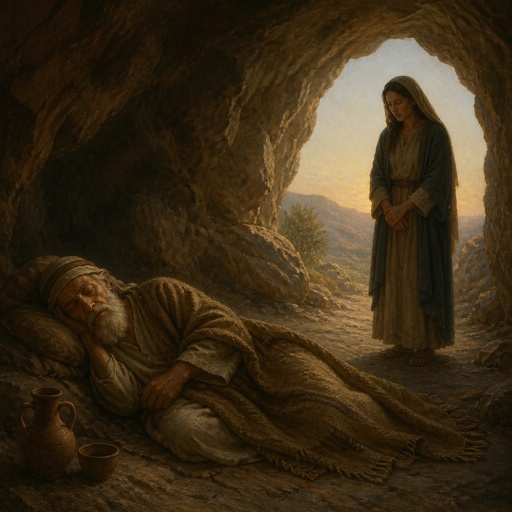
"And they made their father drink wine that night also: and the younger arose, and lay with him; and he perceived not when she lay down, nor when she arose." - Genesis 19:35

Genesis 27:35 - "And he said, Thy brother came with subtilty, and hath taken away thy blessing."

Genesis 35:20 - "And Jacob set a pillar upon her grave: that is the pillar of Rachel's grave unto this day."

Genesis 35:9 - "¶ And God appeared unto Jacob again, when he came out of Padan-aram, and blessed him."

Genesis 35:16 - "¶ And they journeyed from Beth-el; and there was but a little way to come to Ephrath: and Rachel travailed, and she had hard labour."

Genesis 35:5 - "And they journeyed: and the terror of God was upon the cities that were round about them, and they did not pursue after the sons of Jacob."

Genesis 35:6 - "¶ So Jacob came to Luz, which is in the land of Canaan, that is, Beth-el, he and all the people that were with him."