What does Genesis 34:24 mean?
"And unto Hamor and unto Shechem his son hearkened all that went out of the gate of his city; and every male was circumcised, all that went out of the gate of his city." - Genesis 34:24
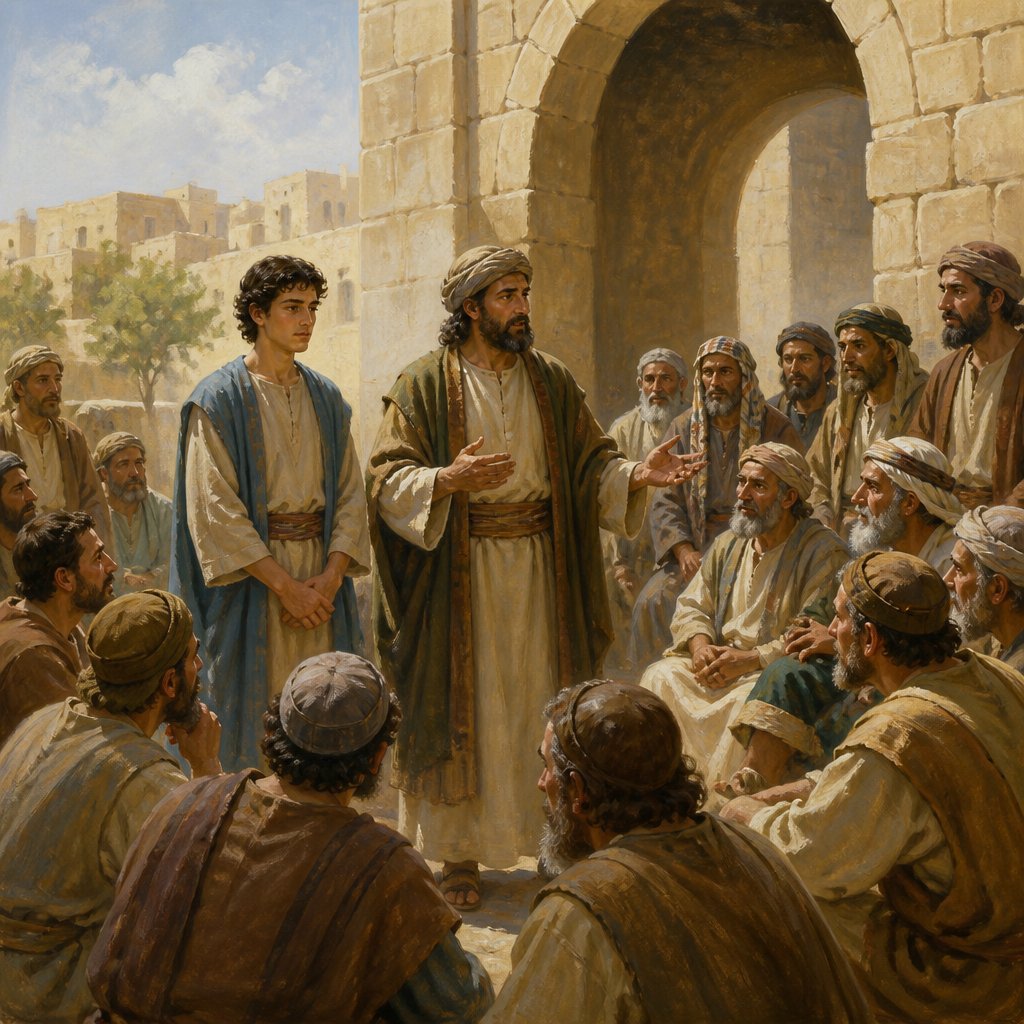
Genesis 34:24 (KJV) - "And unto Hamor and unto Shechem his son hearkened all that went out of the gate of his city; and every male was circumcised, all that went out of the gate of his city."
Genesis 34 tells the story of the rape of Dinah, the only daughter of Jacob, by Shechem, a Hivite prince. This verse comes at a critical juncture in the narrative, where Shechem and his father, Hamor, are attempting to make amends for the heinous act committed by Shechem. They propose a peace treaty with Jacob and his sons, offering to intermarry with Jacob's family and integrate into their community. However, there is a condition: all the men of Shechem's city must be circumcised as a sign of their commitment to the alliance.
This verse reflects the power dynamics at play in the ancient Near East, as well as the themes of loyalty, revenge, and justice. It also highlights the cultural and religious significance of circumcision in the biblical narrative.
One of the central themes in this verse is the exercise of power and authority by the leaders of Shechem. By issuing the decree for all the men in the city to undergo circumcision, Hamor and Shechem are demonstrating their ability to command obedience and influence the actions of their people. The fact that "all that went out of the gate of his city" hearkened to their command indicates the authority and control that this father-son duo held over their community.
In addition to power dynamics, the verse also speaks to the theme of loyalty and allegiance. The willingness of the men of Shechem to undergo circumcision, a painful and invasive procedure, demonstrates their commitment to their leaders and their desire for peace and integration with Jacob's family. This gesture speaks to the ways in which loyalty and allegiance were expressed in ancient societies, often through rituals and acts of sacrifice.
The context of this verse is critical to understanding its significance. The act of circumcision was not only a physical and medical procedure, but it also held deep cultural, religious, and communal significance for the people of ancient Israel and the surrounding regions. In the biblical context, circumcision was a sign of the covenant between God and his chosen people, as established with Abraham in Genesis 17. It symbolized purity, dedication, and obedience to God's commandments.
Furthermore, this verse reflects the theme of justice and revenge in the aftermath of Dinah's rape. Jacob's sons, particularly Simeon and Levi, who are deeply angered and grieved by the assault on their sister, devise a merciless plan to avenge her honor. They agree to the terms of the alliance proposed by Hamor and Shechem, but with deceitful intentions. They insist that circumcision must be a necessary condition for intermarriage, knowing that the men of Shechem would be vulnerable and incapacitated after the procedure. This sets the stage for the violent and vengeful actions that follow in the subsequent verses, where Simeon and Levi slaughter the men of Shechem's city.
In conclusion, Genesis 34:24 is a pivotal verse in the narrative of the rape of Dinah and the ensuing conflict between the people of Jacob and the inhabitants of Shechem. It illuminates themes of power, loyalty, justice, and revenge, while also underscoring the cultural and religious significance of circumcision in the biblical narrative. This verse serves as a reminder of the complex dynamics at play in ancient societies and the enduring relevance of these themes in the human experience.
Have questions about Genesis 34:24?
Dive deeper into this scripture with Bible Chat — an AI-powered tool for exploring God's Word through conversation. Ask questions, get context, and grow in your understanding of the Bible.
Get Our Apps


Genesis 34:24 Artwork

Genesis 34:24 - "And unto Hamor and unto Shechem his son hearkened all that went out of the gate of his city; and every male was circumcised, all that went out of the gate of his city."
"And unto Hamor and unto Shechem his son hearkened all that went out of the gate of his city; and every male was circumcised, all that went out of the gate of his city." - Genesis 34:24

Genesis 24-34

Genesis 24:34 - "And he said, I am Abraham's servant."
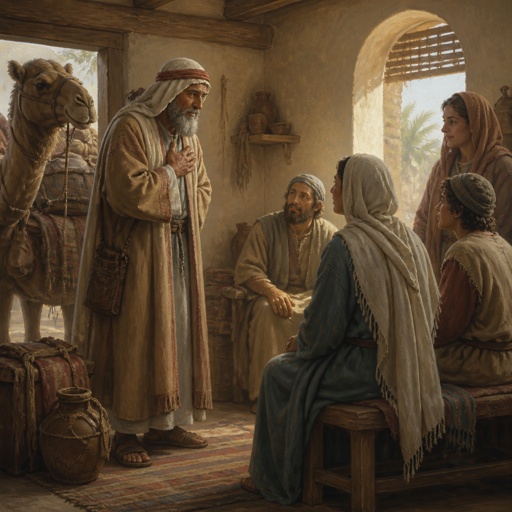
"And he said, I am Abraham's servant." - Genesis 24:34

Genesis 21-34

Genesis 19-34

Genesis 24:24

Numbers 34:24 - "And the prince of the tribe of the children of Ephraim, Kemuel the son of Shiphtan."

Luke 24:34 - "Saying, The Lord is risen indeed, and hath appeared to Simon."

Genesis 21:34 - "And Abraham sojourned in the Philistines' land many days."

Genesis 34:18 - "And their words pleased Hamor, and Shechem Hamor's son."

Genesis 34:31 - "And they said, Should he deal with our sister as with an harlot?"

Genesis 36:34 - "And Jobab died, and Husham of the land of Temani reigned in his stead."

Genesis 34:28 - "They took their sheep, and their oxen, and their asses, and that which was in the city, and that which was in the field,"

Job 34:24 - "He shall break in pieces mighty men without number, and set others in their stead."

Proverbs 24:34 - "So shall thy poverty come as one that travelleth; and thy want as an armed man."

Matthew 24:34 - "Verily I say unto you, This generation shall not pass, till all these things be fulfilled."

Genesis 30:34 - "And Laban said, Behold, I would it might be according to thy word."

Genesis 34:6 - "¶ And Hamor the father of Shechem went out unto Jacob to commune with him."

Genesis 24-26

Genesis 24-21

Genesis 24-7

Genesis 24-55

Genesis 3:24

Genesis 24-59

Genesis 24:60

Genesis 24-50

Genesis 24-54

Genesis 24:36