What does Genesis 33:2 mean?
"And he put the handmaids and their children foremost, and Leah and her children after, and Rachel and Joseph hindermost." - Genesis 33:2
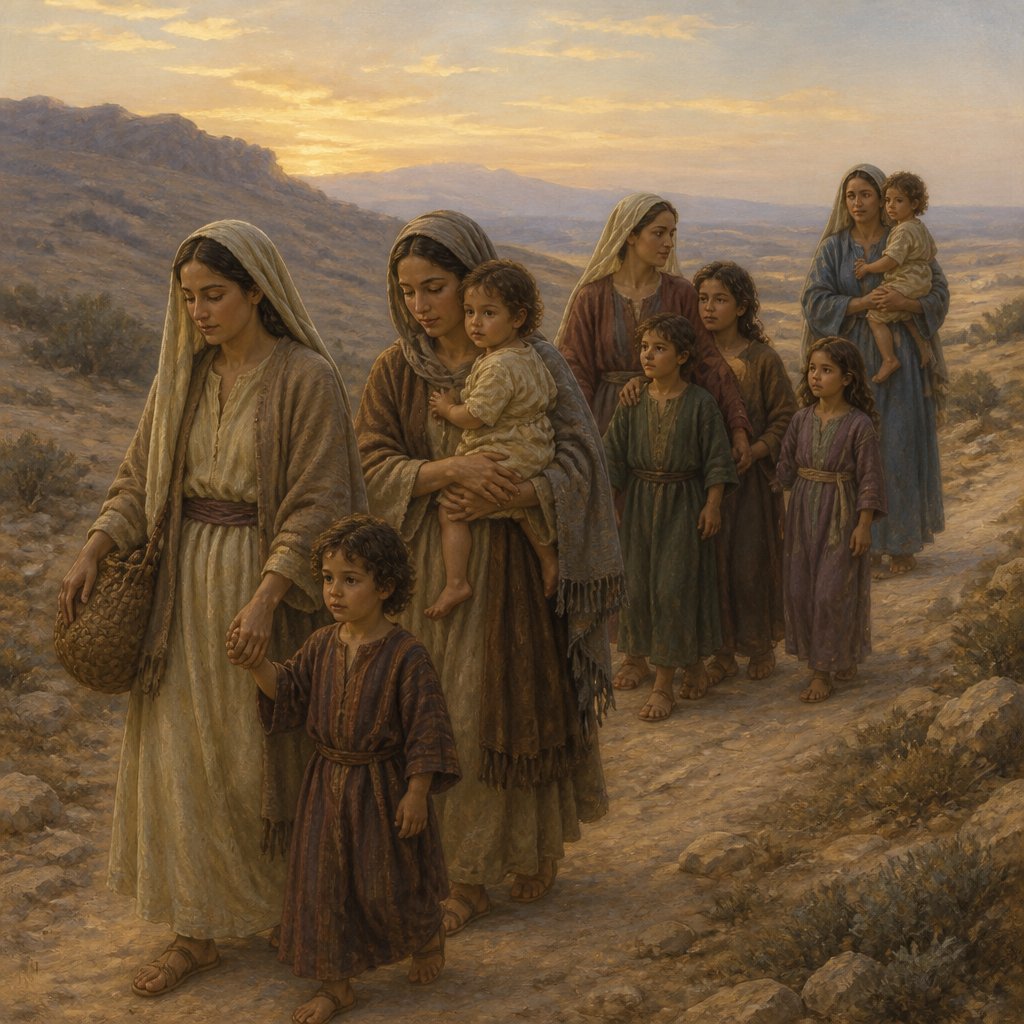
Genesis 33:2 (KJV) says, "And he put the handmaids and their children foremost, and Leah and her children after, and Rachel and Joseph hindermost."
This verse comes from the book of Genesis, which is the first book of the Bible. It recounts the story of the creation of the world, the fall of humanity, and the stories of the patriarchs and matriarchs of the Jewish people. In this particular verse, we find Jacob, a central figure in the book of Genesis, as he prepares to meet his brother Esau after many years of separation.
To understand the meaning of this verse, we need to first consider the context in which it is set. Jacob and Esau were twin brothers, with Jacob being the younger of the two. In their youth, Jacob had deceived their father, Isaac, in order to receive his blessing, which rightfully belonged to Esau. This deception led to a bitter rift between the two brothers, and Jacob fled from his family to escape Esau's anger.
Now, after many years, Jacob is returning to the land of his birth, accompanied by his wives, children, and servants. As he approaches Esau's territory, he sends messengers ahead to let Esau know of his arrival and to hopefully appease his brother's anger. Jacob is unsure of the reception he will receive from Esau, and he is understandably anxious about the encounter.
In this verse, we see Jacob's thoughtfulness and concern for the safety of his family. Instead of leading with his most beloved wife, Rachel, and their son, Joseph, Jacob places his handmaids and their children in the front of the group. This demonstrates his desire to protect them and possibly to use them as a buffer in case Esau is still angry with him.
This act also reveals a deeper theme at play in this verse – the theme of humility and reconciliation. By deliberately placing the handmaids and their children in a position of prominence, Jacob is showing a sense of humility and a willingness to approach Esau with a conciliatory spirit. He is also acknowledging the reality of his past actions and the need to make amends with his brother.
Furthermore, the verse also symbolizes the idea of prioritizing one's responsibilities and relationships. Jacob is demonstrating his willingness to put the safety and well-being of his family before his own desires and concerns. This prioritization reflects a sense of maturity and wisdom in Jacob's character, as he seeks to protect those who are most vulnerable in his group.
It is also worth noting the significance of the placement of Rachel and Joseph at the rear of the group. Rachel was Jacob's beloved wife, and Joseph was his favored son. By placing them at the back, Jacob is possibly attempting to shield them from any potential conflict with Esau. This act could be seen as a form of sacrifice, as Jacob is willing to put his own desires aside for the sake of his family's safety.
Overall, Genesis 33:2 captures a moment of tension and emotional complexity as Jacob prepares to face his past and seek reconciliation with his brother. The verse illuminates themes of humility, reconciliation, and the prioritization of familial responsibilities. It symbolizes Jacob's willingness to humble himself and prioritize the well-being of his loved ones, even at the risk of his own desires. This verse serves as a powerful reminder of the importance of humility, reconciliation, and selflessness in our relationships with others.
Have questions about Genesis 33:2?
Dive deeper into this scripture with Bible Chat — an AI-powered tool for exploring God's Word through conversation. Ask questions, get context, and grow in your understanding of the Bible.
Get Our Apps


Genesis 33:2 Artwork

Genesis 33:2 - "And he put the handmaids and their children foremost, and Leah and her children after, and Rachel and Joseph hindermost."
"And he put the handmaids and their children foremost, and Leah and her children after, and Rachel and Joseph hindermost." - Genesis 33:2

Genesis 19-33

Genesis 21-33

Genesis 18-33

Genesis 24-33

Genesis 25-33

Genesis 33:6 - "Then the handmaidens came near, they and their children, and they bowed themselves."

Genesis 33:20 - "And he erected there an altar, and called it El-elohe-Israel."

Genesis 33:16 - "¶ So Esau returned that day on his way unto Seir."

Genesis 36:33 - "And Bela died, and Jobab the son of Zerah of Bozrah reigned in his stead."

Genesis 21:33 - "¶ And Abraham planted a grove in Beer-sheba, and called there on the name of the LORD, the everlasting God."

Genesis 26:33 - "And he called it Shebah: therefore the name of the city is Beer-sheba unto this day."

Genesis 33:9 - "And Esau said, I have enough, my brother; keep that thou hast unto thyself."
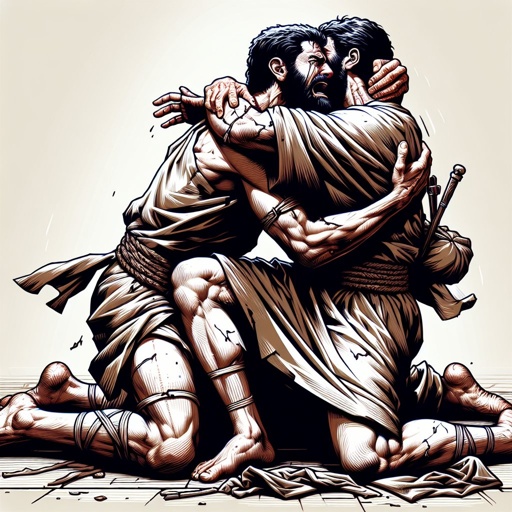
Genesis 33:4 - "And Esau ran to meet him, and embraced him, and fell on his neck, and kissed him: and they wept."

Genesis 46:33 - "And it shall come to pass, when Pharaoh shall call you, and shall say, What is your occupation?"

Genesis 33:12 - "And he said, Let us take our journey, and let us go, and I will go before thee."

Genesis 41:33 - "Now therefore let Pharaoh look out a man discreet and wise, and set him over the land of Egypt."
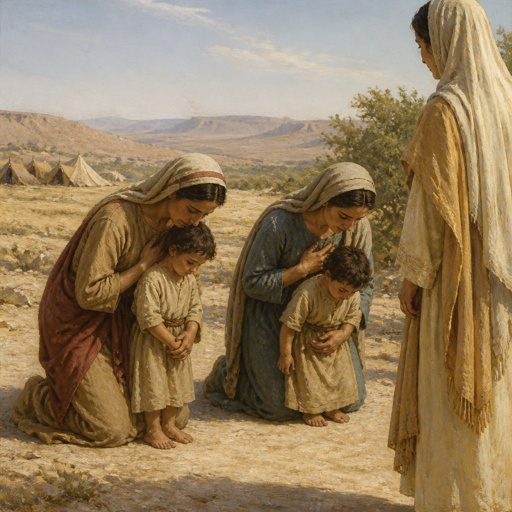
"Then the handmaidens came near, they and their children, and they bowed themselves." - Genesis 33:6

Genesis 33:7 - "And Leah also with her children came near, and bowed themselves: and after came Joseph near and Rachel, and they bowed themselves."

Genesis 25:33 - "And Jacob said, Swear to me this day; and he sware unto him: and he sold his birthright unto Jacob."

Genesis 33:17 - "And Jacob journeyed to Succoth, and built him an house, and made booths for his cattle: therefore the name of the place is called Succoth."

Genesis 43:33 - "And they sat before him, the firstborn according to his birthright, and the youngest according to his youth: and the men marvelled one at another."

Genesis 18:33 - "And the LORD went his way, as soon as he had left communing with Abraham: and Abraham returned unto his place."
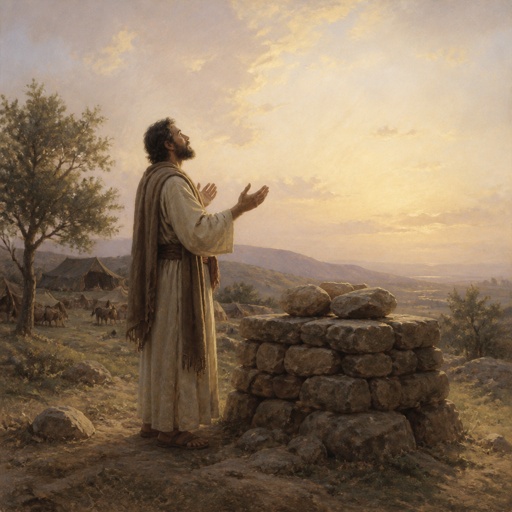
"And he erected there an altar, and called it El-elohe-Israel." - Genesis 33:20

Jeremiah 33:2-11

Jeremiah 33:2-11
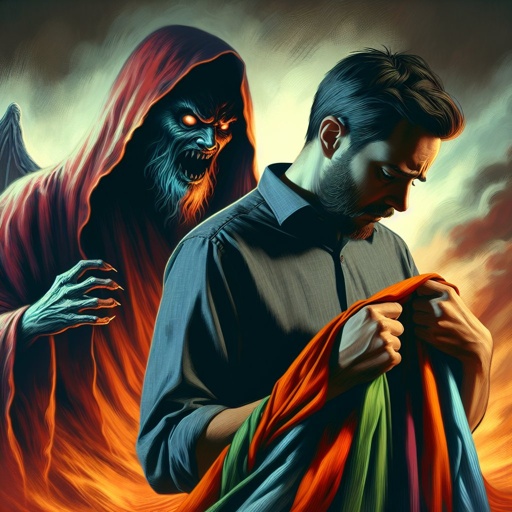
Genesis 37:33 - "And he knew it, and said, It is my son's coat; an evil beast hath devoured him; Joseph is without doubt rent in pieces."

Genesis 33:3 - "And he passed over before them, and bowed himself to the ground seven times, until he came near to his brother."
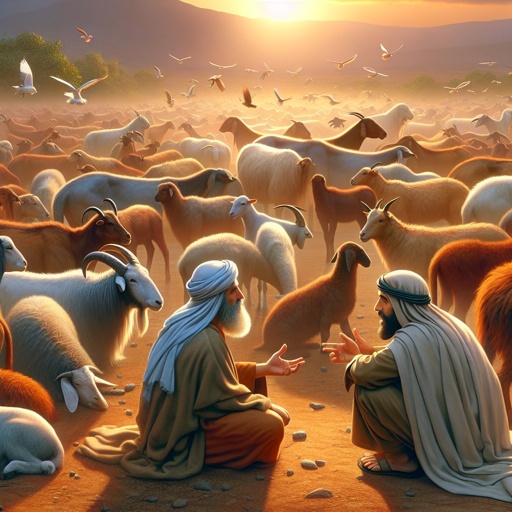
Genesis 33:8 - "And he said, What meanest thou by all this drove which I met? And he said, These are to find grace in the sight of my lord."