What does Genesis 31:3 mean?
"And the LORD said unto Jacob, Return unto the land of thy fathers, and to thy kindred; and I will be with thee." - Genesis 31:3
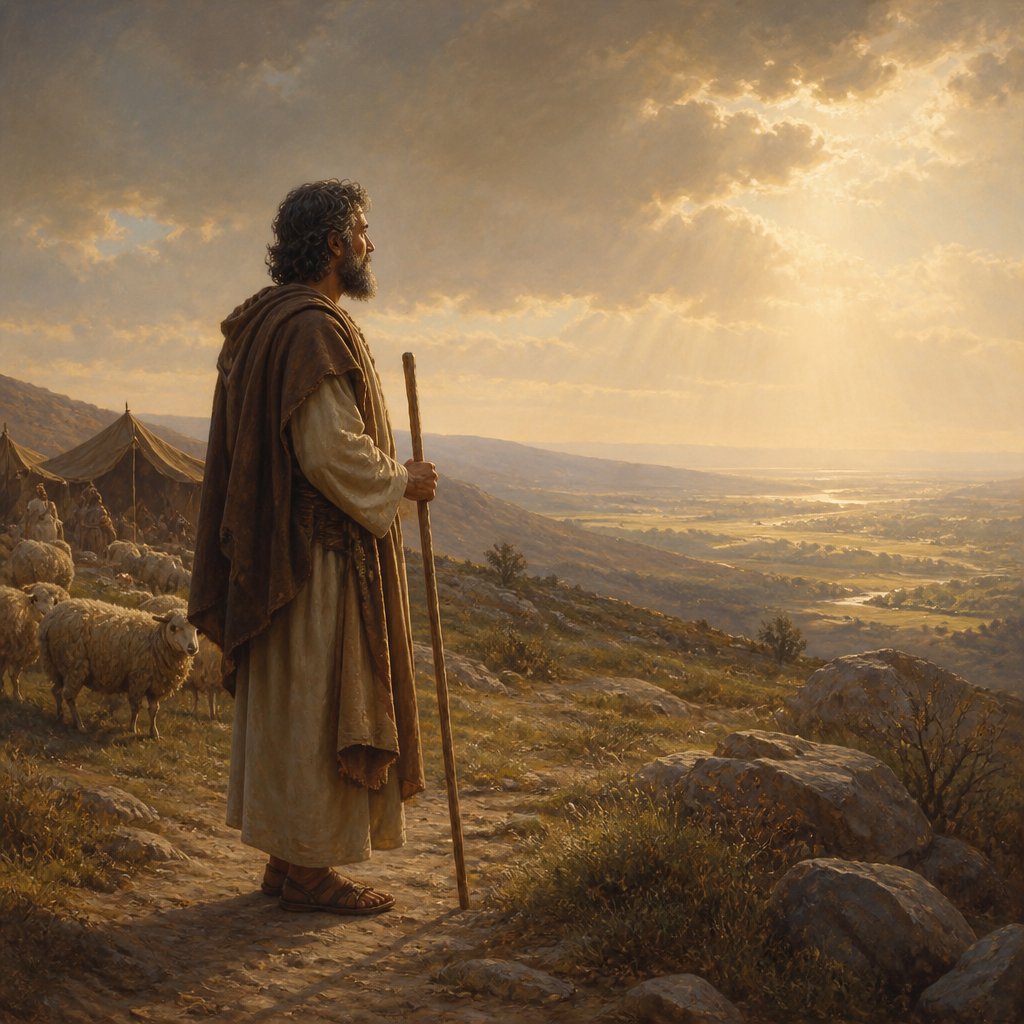
Genesis 31:3 in the King James Version (KJV) reads, "And the Lord said unto Jacob, Return unto the land of thy fathers, and to thy kindred; and I will be with thee." This verse forms part of the larger narrative of Jacob's life as recorded in the book of Genesis, and it holds significant meaning in the overall context of the biblical text.
To fully understand the depth and significance of Genesis 31:3, it is important to first consider the broader story of Jacob, his relationship with God, and his journey as a patriarch of the Israelite nation. Jacob, the son of Isaac and grandson of Abraham, plays a crucial role in the biblical narrative as one of the patriarchs of Israel. His life is marked by numerous trials, blessings, and encounters with God, all of which ultimately shape the destiny of his descendants.
In the preceding chapters of Genesis, we see Jacob leaving his home and family to escape the wrath of his brother Esau, whom he had deceived and from whom he had stolen his birthright. Fleeing to the house of his uncle Laban, Jacob marries Laban's daughters, Leah and Rachel, and becomes a prosperous shepherd. However, after many years, Jacob decides to return to the land of his father, Isaac, and his grandfather, Abraham, where he had originally been promised the inheritance of the land from God.
It is in this context that God speaks to Jacob in Genesis 31:3, instructing him to return to the land of his fathers and his kindred. The Lord assures Jacob that He will be with him, signaling His continued presence and guidance in Jacob's life. This divine affirmation carries deep theological significance, reflecting God's faithfulness and the fulfillment of His promises to the patriarchs.
One of the key themes at play in Genesis 31:3 is the notion of divine providence and God's sovereign guidance over the lives of His chosen people. Throughout the biblical narrative, God is depicted as intimately involved in the lives of His followers, directing their paths and fulfilling His purposes through them. In the case of Jacob, the instruction to return to the land of his fathers serves as a reminder of God's faithfulness and His commitment to fulfilling the covenant promises made to Abraham and his descendants.
Another important aspect of this verse is the theme of obedience and faith in God's promises. Jacob's prompt response to God's command to return to the land of his fathers showcases his willingness to submit to God's will and trust in His guidance. This act of obedience reflects the larger biblical theme of faith as the cornerstone of the relationship between God and His people. Jacob's willingness to heed God's call serves as a model for believers, emphasizing the importance of trusting in God's faithfulness and following His leading, even in the face of uncertainty and challenges.
Additionally, the symbolism present in Genesis 31:3 holds significant meaning in the biblical narrative. The land of inheritance, which God instructs Jacob to return to, represents the fulfillment of God's promise to Abraham and his descendants. This land is not only a physical territory but also a symbol of the spiritual inheritance and blessing that God bestows upon His people. By urging Jacob to return to this land, God reaffirms His commitment to fulfilling His covenant with the patriarchs and ensuring the continuation of His redemptive plan through their descendants.
In conclusion, Genesis 31:3 carries profound theological and spiritual significance within the larger biblical narrative. It serves as a poignant reminder of God's faithfulness, providential guidance, and the importance of obedience and faith in His promises. Through the story of Jacob, this verse illuminates the enduring themes of divine sovereignty, covenant fulfillment, and the enduring relationship between God and His people. As believers, we are called to emulate Jacob's response, trusting in God's providence and faithfully following His leading in our lives.
Have questions about Genesis 31:3?
Dive deeper into this scripture with Bible Chat — an AI-powered tool for exploring God's Word through conversation. Ask questions, get context, and grow in your understanding of the Bible.
Get Our Apps


Genesis 31:3 Artwork

Genesis 31:3 - "And the LORD said unto Jacob, Return unto the land of thy fathers, and to thy kindred; and I will be with thee."
"And the LORD said unto Jacob, Return unto the land of thy fathers, and to thy kindred; and I will be with thee." - Genesis 31:3

Genesis 21-31

Genesis 18-31

Genesis 31:35

Genesis 19-31

Genesis 24-31

Genesis 31:22 - "And it was told Laban on the third day that Jacob was fled."

Genesis 31:45 - "And Jacob took a stone, and set it up for a pillar."

Genesis 31:47 - "And Laban called it Jegarsahadutha: but Jacob called it Galeed."

Genesis 31:31 - "And Jacob answered and said to Laban, Because I was afraid: for I said, Peradventure thou wouldest take by force thy daughters from me."

Genesis 34:31 - "And they said, Should he deal with our sister as with an harlot?"

Judges 3:31

Genesis 25:31 - "And Jacob said, Sell me this day thy birthright."

Genesis 31:2 - "And Jacob beheld the countenance of Laban, and, behold, it was not toward him as before."

Genesis 37:31 - "And they took Joseph's coat, and killed a kid of the goats, and dipped the coat in the blood;"

Genesis 31:4 - "And Jacob sent and called Rachel and Leah to the field unto his flock,"

Genesis 42:31 - "And we said unto him, We are true men; we are no spies:"
Genesis 10:31 - "These are the sons of Shem, after their families, after their tongues, in their lands, after their nations."

Mark 3:31-34

Genesis 41:31 - "And the plenty shall not be known in the land by reason of that famine following; for it shall be very grievous."

Genesis 21:31 - "Wherefore he called that place Beer-sheba; because there they sware both of them."

Lamentations 3:31 - "For the Lord will not cast off for ever:"

Genesis 31:17 - "¶ Then Jacob rose up, and set his sons and his wives upon camels;"

Genesis 31:6 - "And ye know that with all my power I have served your father."

Genesis 31:9 - "Thus God hath taken away the cattle of your father, and given them to me."

Genesis 5:31 - "And all the days of Lamech were seven hundred seventy and seven years: and he died."

Genesis 31:20 - "And Jacob stole away unawares to Laban the Syrian, in that he told him not that he fled."

Genesis 36:31 - "¶ And these are the kings that reigned in the land of Edom, before there reigned any king over the children of Israel."

Genesis 43:31 - "And he washed his face, and went out, and refrained himself, and said, Set on bread."