What does Genesis 30:21 mean?
"And afterwards she bare a daughter, and called her name Dinah." - Genesis 30:21
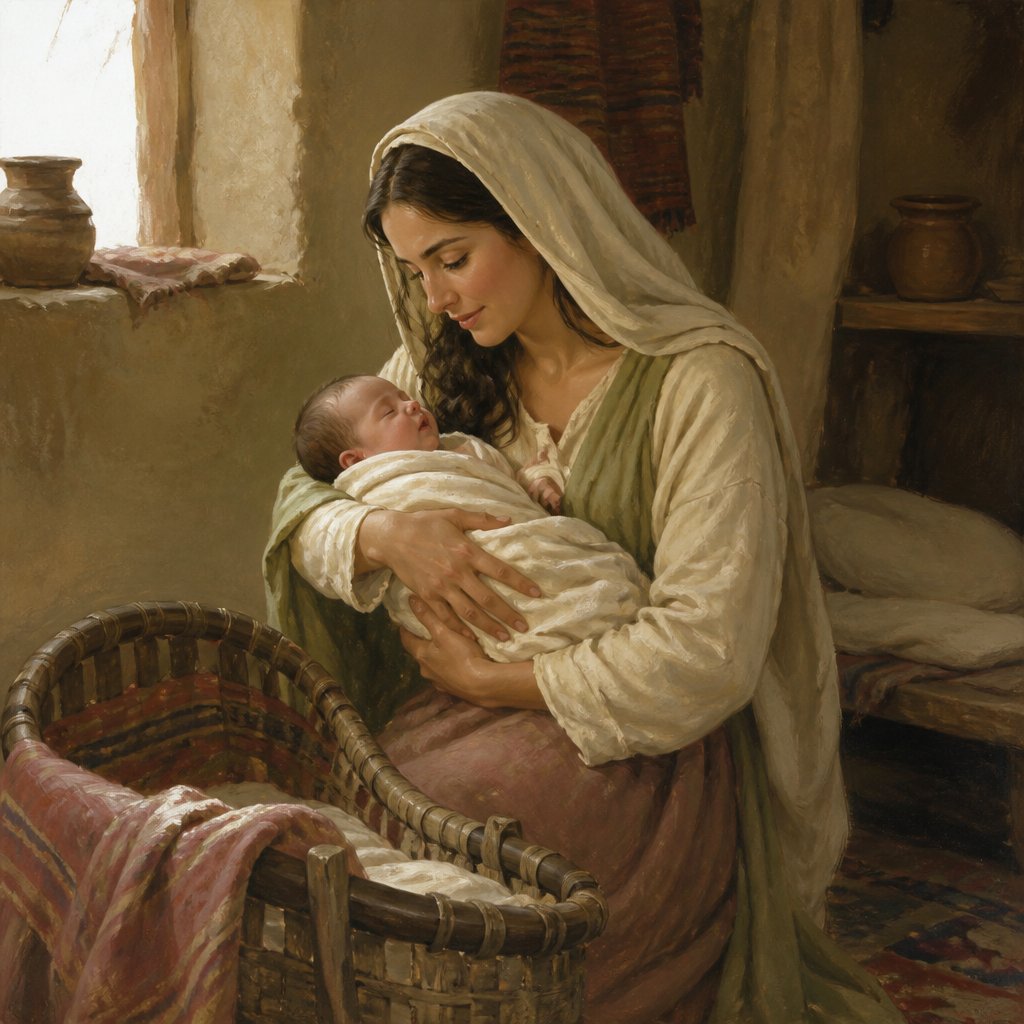
Genesis 30:21 (KJV) reads, "And afterwards she bare a daughter, and called her name Dinah." This verse is a brief but significant part of the larger narrative of the patriarch Jacob and his wives Leah and Rachel. In order to understand the full context and meaning of this verse, it is important to consider the surrounding events and the broader themes of the Book of Genesis.
The Book of Genesis is the first book of the Bible and is often referred to as the "Book of Beginnings." It provides an account of the creation of the world, the origins of humanity, and the establishment of the covenant between God and the Israelite people. Within the larger narrative of Genesis, the story of Jacob and his family is a pivotal one, as it marks the transition from the patriarchal era to the formation of the nation of Israel.
The specific verse, Genesis 30:21, occurs within the context of a complex and often contentious family dynamic. Jacob, the son of Isaac and grandson of Abraham, has two wives, Leah and Rachel. Both women compete for Jacob's affection and strive to bear him children. This competition leads to a series of pregnancies and births, which are described in the preceding verses. In the verse immediately before Genesis 30:21, Rachel gives birth to a son, Joseph, after many years of barrenness. This is significant because Joseph will go on to play a crucial role in the future of the Israelite nation.
In the broader context of the narrative, the birth of Dinah is significant for several reasons. First, it represents the continued growth of Jacob's family and the fulfillment of God's promise to make his descendants as numerous as the stars. Second, the naming of Dinah is noteworthy, as names often carry symbolic meanings in the Bible. In Hebrew culture, names were carefully chosen to reflect the circumstances of a child's birth or to convey a specific message. The name "Dinah" means "judgment" or "vindicated," which may reflect the feelings of Rachel following the birth of her daughter.
The birth of Dinah also foreshadows future events in the narrative of Genesis. Dinah plays a central role in a later story in which she is raped by a local prince, leading to a violent confrontation between her brothers and the people of the city. This event has far-reaching consequences for Jacob's family and serves as a cautionary tale about the dangers of cultural assimilation and the importance of maintaining distinct religious and cultural identity.
In addition to its immediate significance within the narrative of Genesis, the birth of Dinah and the broader themes of family, rivalry, and identity have important implications for the larger biblical narrative. The story of Jacob and his wives is emblematic of the complex and often messy nature of human relationships. It demonstrates the ways in which God works through flawed and imperfect individuals to bring about his purposes and fulfill his promises. It also highlights the importance of faithfulness and perseverance in the face of difficult circumstances.
From a theological perspective, the story of Jacob and his family also points to the larger theme of God's faithfulness to his chosen people. Despite the challenges and conflicts within the family, God remains committed to his covenant with Abraham and continues to work through the generations to bring about his redemptive plan for the world.
In conclusion, Genesis 30:21 is a brief but significant verse within the larger narrative of the patriarch Jacob and his family. It reflects the themes of growth, rivalry, and the faithfulness of God, and it serves as a poignant reminder of the ways in which God works through imperfect people to bring about his purposes. The naming of Dinah and the events surrounding her birth foreshadow future events in the biblical narrative and carry important theological and moral lessons. Overall, this verse is a rich and multifaceted part of the broader story of God's redemptive work in the world.
Have questions about Genesis 30:21?
Dive deeper into this scripture with Bible Chat — an AI-powered tool for exploring God's Word through conversation. Ask questions, get context, and grow in your understanding of the Bible.
Get Our Apps


Genesis 30:21 Artwork

Genesis 30:21 - "And afterwards she bare a daughter, and called her name Dinah."
"And afterwards she bare a daughter, and called her name Dinah." - Genesis 30:21

Genesis 21-30

Genesis 21:30 - "And he said, For these seven ewe lambs shalt thou take of my hand, that they may be a witness unto me, that I have digged this well."

Genesis 19-30

Genesis 24-30

Genesis 18-30

Genesis 21-21

Genesis 30:10-11

Genesis 29:15-30

Genesis 30:5 - "And Bilhah conceived, and bare Jacob a son."

Genesis 11:30 - "But Sarai was barren; she had no child."

Genesis 1:21

Genesis 1:21

Proverbs 21:30 - "There is no wisdom nor understanding nor counsel against the LORD."
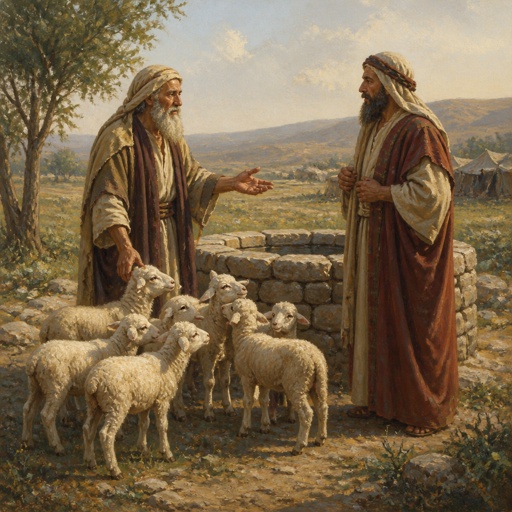
"And he said, For these seven ewe lambs shalt thou take of my hand, that they may be a witness unto me, that I have digged this well." - Genesis 21:30

Genesis 30:10 - "And Zilpah Leah's maid bare Jacob a son."

Proverbs 30:21 - "For three things the earth is disquieted, and for four which it cannot bear:"

Genesis 30:19 - "And Leah conceived again, and bare Jacob the sixth son."

Genesis 26:30 - "And he made them a feast, and they did eat and drink."

Genesis 30:12 - "And Zilpah Leah's maid bare Jacob a second son."

Joshua 21:30 - "And out of the tribe of Asher, Mishal with her suburbs, Abdon with her suburbs,"

Genesis 30:28 - "And he said, Appoint me thy wages, and I will give it."

Genesis 21-20

Genesis 21-6

Genesis 21-13

Genesis 21-10

Genesis 21-34

Genesis 21-2

Genesis 21-7