What does Genesis 27:34 mean?
"And when Esau heard the words of his father, he cried with a great and exceeding bitter cry, and said unto his father, Bless me, even me also, O my father." - Genesis 27:34
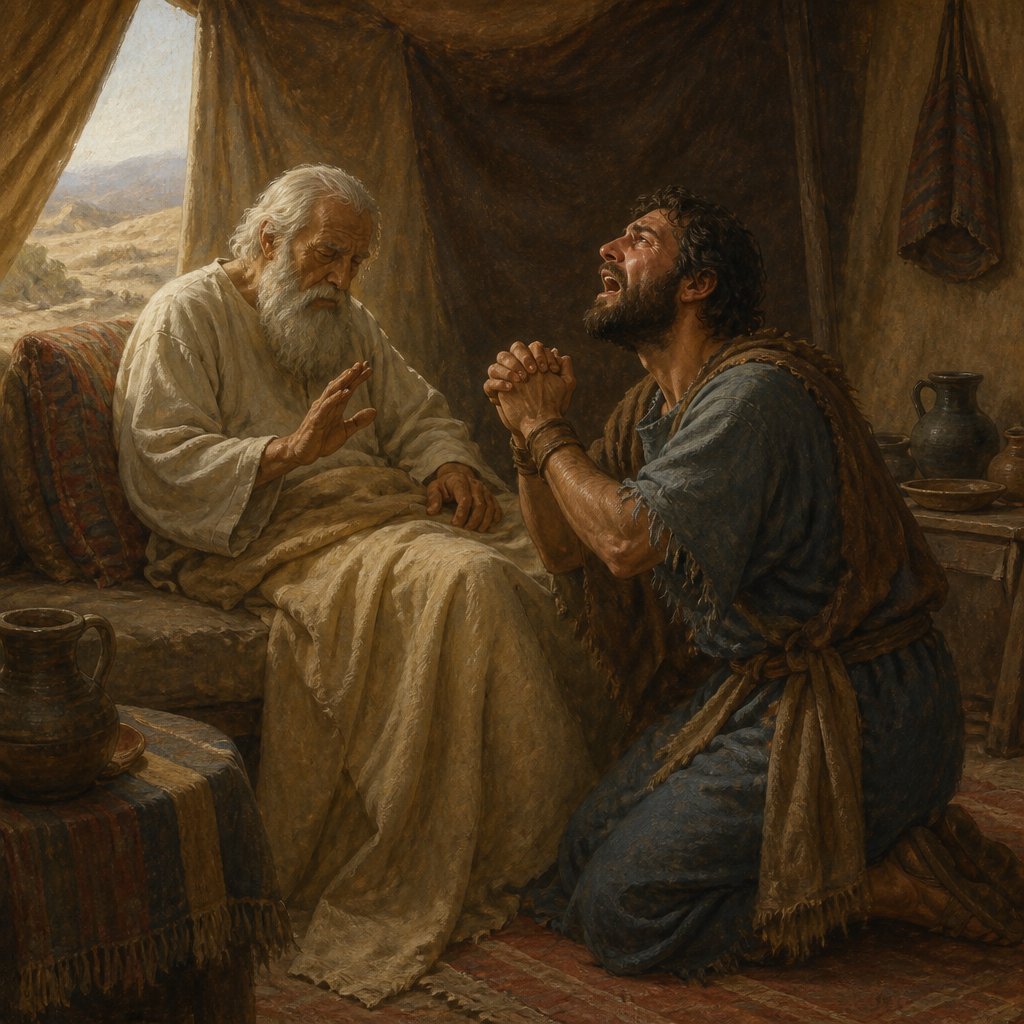
Genesis 27:34 in the King James Version of the Bible reads: "And when Esau heard the words of his father, he cried with a great and exceeding bitter cry, and said unto his father, Bless me, even me also, O my father."
This verse is from the book of Genesis, which is the first book of the Bible. It is a part of the story of the patriarchs, particularly the account of Isaac and his sons, Esau and Jacob. This particular verse comes from the narrative where Isaac intends to bless his eldest son, Esau, before he dies. However, Jacob, the younger son, deceives his father into giving him the blessing instead. When Esau finds out about this, he is heartbroken and pleads with his father to bless him as well.
The themes in this verse are betrayal, deceit, and the consequences of one's actions. The context of this verse is crucial for understanding the significance of Esau's reaction. In ancient Hebrew culture, the blessing of the father held immense importance and was believed to bring about prosperity and success in the recipient's life. By deceiving his father and stealing his brother's blessing, Jacob not only betrayed Esau but also defied the cultural and religious norms of the time. This led to the breakdown of trust and the fracturing of the family, as well as the deep emotional turmoil experienced by Esau upon realizing that he had been cheated out of his birthright.
The symbolism in this verse is multidimensional. Esau's cry is a symbol of the anguish and grief he experiences as a result of being stripped of his blessing. It highlights the profound impact that the actions of others can have on an individual's life. It also serves as a reminder of the importance of honesty and integrity in relationships, as the consequences of deceit can be devastating.
Furthermore, Esau's cry also symbolizes the vulnerability and raw emotion that is often hidden beneath the surface. Despite being portrayed as a rugged and outdoorsy hunter, this moment exposes Esau's tender and sensitive nature. It serves as a poignant portrayal of the human experience, emphasizing the universal theme of emotional pain and the yearning for validation and acceptance.
The verse also carries a moral lesson about the repercussions of dishonesty and selfish ambition. It serves as a cautionary tale about the destructive nature of jealousy and the lengths to which individuals may go to satisfy their own desires, regardless of the harm it may cause to others.
In a broader theological sense, this verse also speaks to the concept of divine justice and the consequences of one's actions. It sets the stage for the unfolding of God's plan, as the ensuing events in the narrative ultimately lead to the fulfillment of God's purposes and the reconciliation of the family.
In conclusion, Genesis 27:34 from the King James Version of the Bible is a poignant and powerful verse that captures the emotional turmoil and moral complexities of the human experience. It serves as a reminder of the importance of honesty and integrity in relationships, the devastating impact of betrayal, and the universal yearning for validation and acceptance. It also serves as a cautionary tale about the destructive nature of jealousy and the consequences of selfish ambition. Ultimately, it sets the stage for the unfolding of God's divine plan and the reconciliation of the family.
Have questions about Genesis 27:34?
Dive deeper into this scripture with Bible Chat — an AI-powered tool for exploring God's Word through conversation. Ask questions, get context, and grow in your understanding of the Bible.
Get Our Apps


Genesis 27:34 Artwork

Genesis 27:34 - "And when Esau heard the words of his father, he cried with a great and exceeding bitter cry, and said unto his father, Bless me, even me also, O my father."

Genesis 27:34 KJV And when Esau heard the words of his father, he cried with a great and exceeding bitter cry, and said unto his father, Bless me, even me also, O my father.
"And when Esau heard the words of his father, he cried with a great and exceeding bitter cry, and said unto his father, Bless me, even me also, O my father." - Genesis 27:34

Genesis 34:27 - "The sons of Jacob came upon the slain, and spoiled the city, because they had defiled their sister."
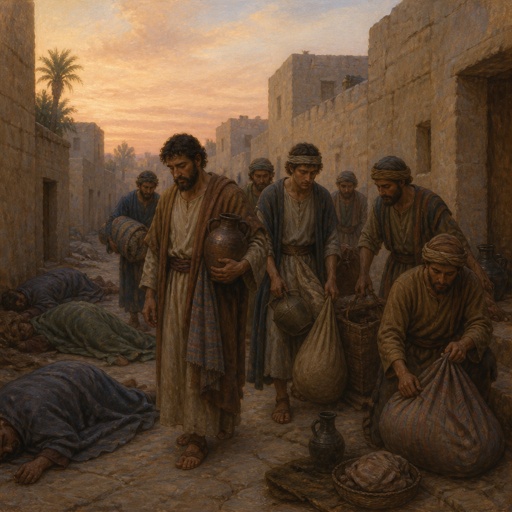
"The sons of Jacob came upon the slain, and spoiled the city, because they had defiled their sister." - Genesis 34:27

Genesis 21-34

Genesis 19-34

Genesis 24-34

Numbers 34:27 - "And the prince of the tribe of the children of Asher, Ahihud the son of Shelomi."

Leviticus 27:34 - "These are the commandments, which the LORD commanded Moses for the children of Israel in mount Sinai."

Images that depicts the verse Matthew 27:11-34

1 Chronicles 27:34 - "And after Ahithophel was Jehoiada the son of Benaiah, and Abiathar: and the general of the king's army was Joab."

Genesis 21:34 - "And Abraham sojourned in the Philistines' land many days."

Job 34:27 - "Because they turned back from him, and would not consider any of his ways:"

Genesis 34:18 - "And their words pleased Hamor, and Shechem Hamor's son."

Genesis 24:34 - "And he said, I am Abraham's servant."

Genesis 27:5

Genesis 27:32

Genesis 25-27

Genesis 34:31 - "And they said, Should he deal with our sister as with an harlot?"

Genesis 17-27

Genesis 18-27

Genesis 24-27

Genesis 21-27

Genesis 19-27

Genesis 36:34 - "And Jobab died, and Husham of the land of Temani reigned in his stead."

Genesis 34:28 - "They took their sheep, and their oxen, and their asses, and that which was in the city, and that which was in the field,"

Genesis 10:27 - "And Hadoram, and Uzal, and Diklah,"

Genesis 30:34 - "And Laban said, Behold, I would it might be according to thy word."

Genesis 34:6 - "¶ And Hamor the father of Shechem went out unto Jacob to commune with him."