What does Genesis 26:18 mean?
"And Isaac digged again the wells of water, which they had digged in the days of Abraham his father; for the Philistines had stopped them after the death of Abraham: and he called their names after the names by which his father had called them." - Genesis 26:18
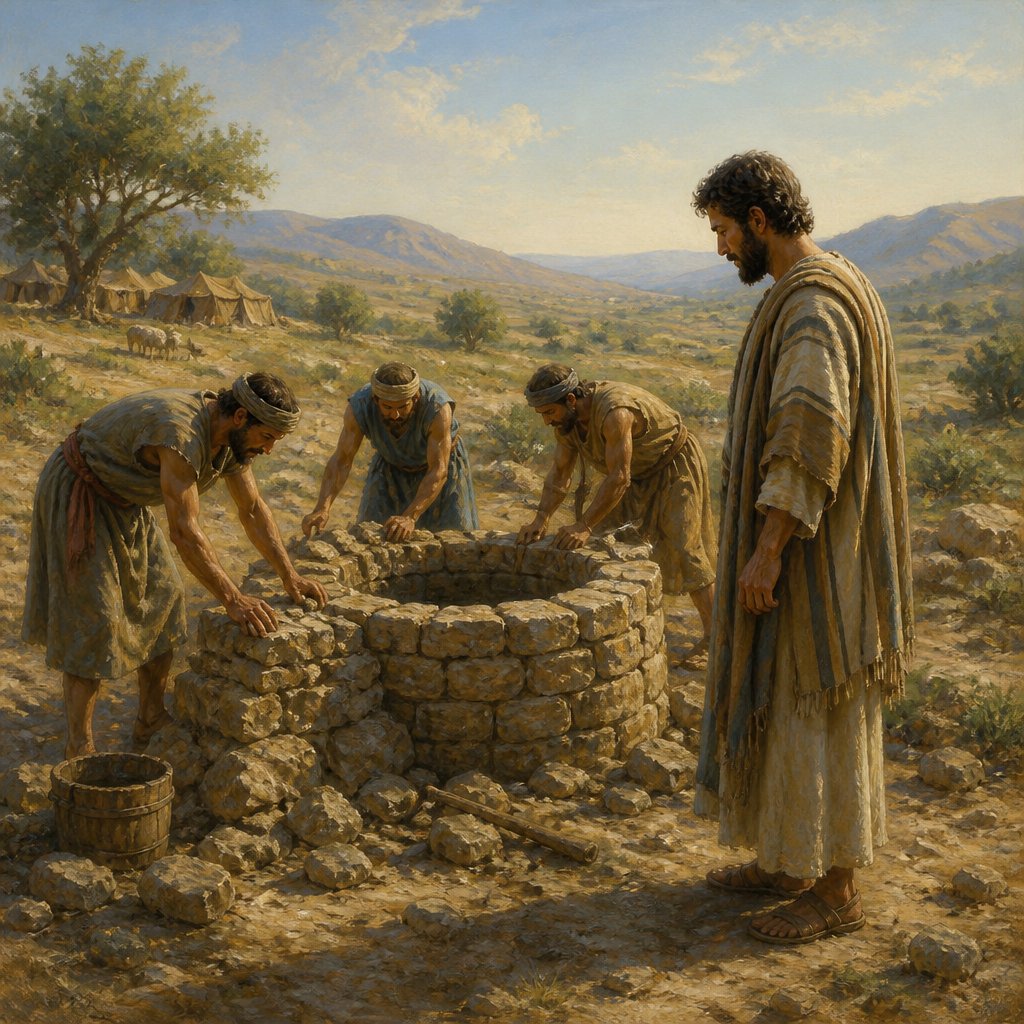
Genesis 26:18 (KJV): "And Isaac digged again the wells of water, which they had digged in the days of Abraham his father; for the Philistines had stopped them after the death of Abraham: and he called their names after the names by which his father had called them."
This verse from the book of Genesis provides a glimpse into the life of Isaac, the son of Abraham, and his efforts to reclaim the wells that had been dug by his father. It holds significant meaning in the broader context of the biblical narrative and carries several themes and symbols that are crucial to understanding its deeper implications.
To truly comprehend the significance of this verse, it is essential to explore the context in which it is situated. Isaac, the central figure in this passage, is the second patriarch of the Israelite people, the son of Abraham and Sarah. The verse takes place after the death of Abraham, and it highlights Isaac's determination to reclaim the wells that his father had dug, which had been seized by the Philistines.
The act of digging wells in the ancient Near East was of great importance as water was a precious resource essential for survival. Wells were vital for sustaining life and were often considered a symbol of prosperity and abundance. In this context, the wells could represent the spiritual inheritance and blessings that had been passed down from Abraham to Isaac. By reclaiming the wells, Isaac was not only asserting his rights and ownership of the land but also asserting his spiritual heritage and legacy.
The reference to the Philistines in this verse serves as a symbolic representation of adversity and opposition. The Philistines were a constant source of conflict for the Israelites, and their efforts to stop up the wells can be seen as a metaphor for the obstacles and challenges that Isaac faced in his life. Despite these obstacles, Isaac remained steadfast in his efforts to reclaim what was rightfully his, demonstrating his resilience and determination.
Moreover, the act of naming the wells after the original names given by his father, Abraham, holds profound significance. In the ancient world, names carried significant meaning and identity. By retaining the original names of the wells, Isaac was honoring the legacy of his father and acknowledging the significance of the inheritance he had received. This act of naming can also be seen as a symbolic gesture of continuity and tradition, emphasizing the timeless nature of God's promises and the faithfulness of God to His people across generations.
From a broader theological perspective, this verse also speaks to the theme of continuity and the fulfillment of God's promises. The actions of Isaac in reclaiming the wells reflect the faithfulness of God in preserving the blessings and promises made to Abraham and his descendants. It underscores the concept of divine inheritance and the responsibility of each generation to uphold and honor the legacy of faith passed down to them.
In summary, Genesis 26:18 is a verse that encapsulates profound themes of inheritance, perseverance, and continuity within the biblical narrative. It serves as a powerful reminder of the enduring nature of God's promises and the responsibility of His people to uphold and preserve their spiritual heritage. Through the symbolism of wells, opposition, and the act of naming, this verse communicates essential truths about faith, resilience, and the enduring legacy of God's covenant with His people.
Have questions about Genesis 26:18?
Dive deeper into this scripture with Bible Chat — an AI-powered tool for exploring God's Word through conversation. Ask questions, get context, and grow in your understanding of the Bible.
Get Our Apps


Genesis 26:18 Artwork

Genesis 26:18

Genesis 26:18 - "And Isaac digged again the wells of water, which they had digged in the days of Abraham his father; for the Philistines had stopped them after the death of Abraham: and he called their names after the names by which his father had called them."
"And Isaac digged again the wells of water, which they had digged in the days of Abraham his father; for the Philistines had stopped them after the death of Abraham: and he called their names after the names by which his father had called them." - Genesis 26:18

Genesis 18-26

Genesis 18:26 - "And the LORD said, If I find in Sodom fifty righteous within the city, then I will spare all the place for their sakes."

Genesis 1:26

Genesis 1:26

Genesis 1:26

Genesis 1:26
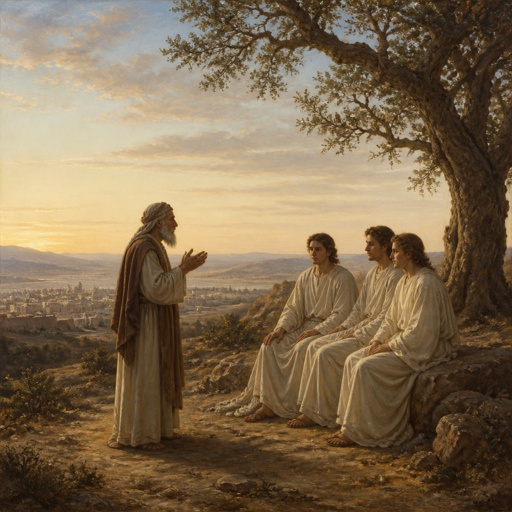
"And the LORD said, If I find in Sodom fifty righteous within the city, then I will spare all the place for their sakes." - Genesis 18:26
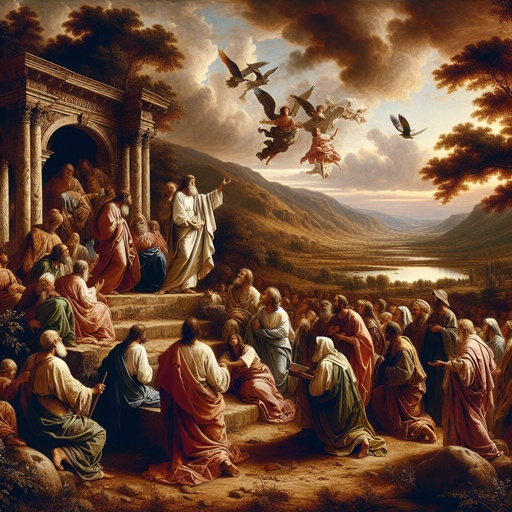
Genesis 18-18

Genesis 24-26

Genesis 26:35

Genesis 50:26

Genesis 26:25

Genesis 25-26

Genesis 21-26

Genesis 50:26

Genesis 50:26

Genesis 26:29

Genesis 19-26

Genesis 50:26

Genesis 26:9

Genesis 17-26

Joshua 18:26 - "And Mizpeh, and Chephirah, and Mozah,"

Genesis 26 1 famine

Genesis 26:6 - "¶ And Isaac dwelt in Gerar:"

genesis 26:1-35

Genesis 26:26 - "¶ Then Abimelech went to him from Gerar, and Ahuzzath one of his friends, and Phichol the chief captain of his army."

Genesis 42:26 - "And they laded their asses with the corn, and departed thence."