What does Genesis 25:14 mean?
"And Mishma, and Dumah, and Massa," - Genesis 25:14
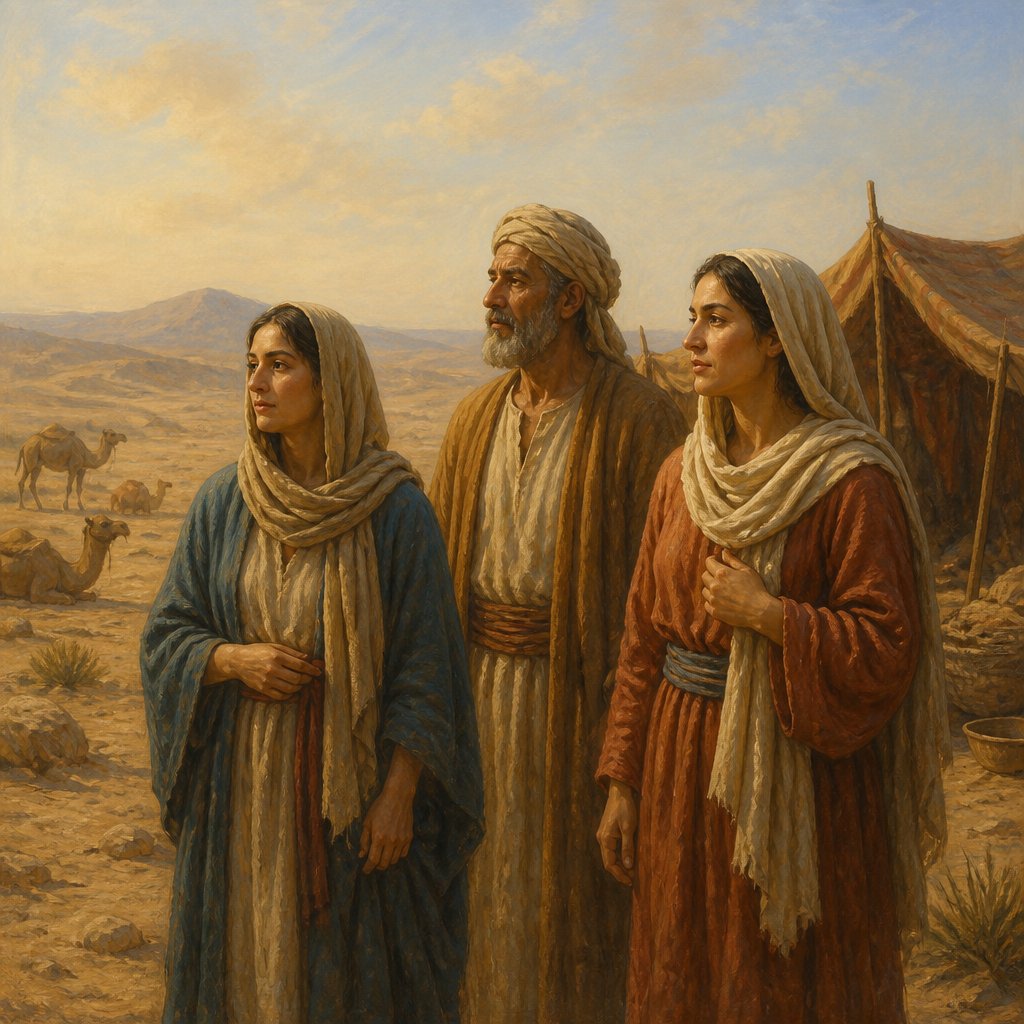
Genesis 25:14 - "And Mishma, and Dumah, and Massa."
This verse is part of the genealogy of the descendants of Ishmael, the son of Abraham and Hagar. The genealogy is significant as it traces the line of Ishmael, who was a prominent figure in the Bible and is considered to be the ancestor of the Arab people. The verse lists the names of three of Ishmael's sons, Mishma, Dumah, and Massa, and signifies their importance within the lineage of Ishmael.
In order to understand the deeper meaning of this verse, it is important to consider the context in which it is situated. The book of Genesis is the first book of the Bible and is believed to have been written by Moses. It serves as a historical account of the origins of the world, the creation of humanity, and the establishment of the nation of Israel. The genealogy of Ishmael is found in Genesis 25, which recounts the descendants of Abraham, Isaac, and Ishmael.
The significance of the genealogy of Ishmael lies in its portrayal of the fulfillment of God's promise to Abraham. In Genesis 17, God promised to bless Ishmael and make him the father of a great nation. The genealogy of Ishmael serves as a testament to the fulfillment of this promise, as it traces the numerous descendants and tribes that came from him. This reflects the faithfulness of God to His covenant with Abraham and highlights the importance of Ishmael and his descendants in God's plan for humanity.
The names mentioned in Genesis 25:14, Mishma, Dumah, and Massa, hold symbolic significance within the narrative of the Bible. In Hebrew tradition, names often carry deep meanings and serve as a reflection of the character or destiny of the individual. Mishma, which means "hearing," signifies the importance of listening to God's voice and obeying His commands. Dumah, which translates to "silence" or "stillness," represents the idea of waiting patiently for God's promises to be fulfilled. Massa, meaning "burden" or "oracle," points to the prophetic nature of Ishmael's descendants and their role in carrying God's message to the nations.
Furthermore, the names also have symbolic importance in the context of the Arab people and their history. The descendants of Ishmael are believed to have settled in the region of present-day Saudi Arabia, and their names reflect the cultural and linguistic heritage of the Arabian Peninsula. Additionally, the names carry connotations of wisdom, patience, and prophetic insight, which are attributes that are often associated with the Arab people in both biblical and historical contexts.
In conclusion, Genesis 25:14 serves as a significant verse within the genealogy of Ishmael, highlighting the fulfillment of God's promise to Abraham and the importance of Ishmael and his descendants in the narrative of the Bible. The names mentioned in this verse carry deep symbolic meanings that reflect the faithfulness of God, the heritage of the Arab people, and the prophetic significance of Ishmael's lineage. This verse provides a profound insight into the diverse tapestry of humanity and the ways in which God works through different cultures and nations to fulfill His purposes.
Have questions about Genesis 25:14?
Dive deeper into this scripture with Bible Chat — an AI-powered tool for exploring God's Word through conversation. Ask questions, get context, and grow in your understanding of the Bible.
Get Our Apps


Genesis 25:14 Artwork

Genesis 25:14 - "And Mishma, and Dumah, and Massa,"

Genesis 25-14
"And Mishma, and Dumah, and Massa," - Genesis 25:14

Genesis 25:25

Matthew 25: 14-25

Genesis 1:1-25

Genesis 1:1-25

Genesis 1:1-25

Genesis 25-2

Genesis 25-18

Genesis 25-24

Genesis 25-7

Genesis 25-23

Genesis 26:25

Genesis 50:25

Genesis 25:1

Genesis 21:25

Genesis 25-15

Genesis 25-26

Genesis 25-13

Genesis 50:25

Genesis 25-32

Genesis 25-6

Genesis 18-25

Genesis 25-16

Genesis 2:25

Genesis 18:25

Genesis 25-8

Genesis 25-10

Genesis 25-4