What does Genesis 24:29 mean?
"¶ And Rebekah had a brother, and his name was Laban: and Laban ran out unto the man, unto the well." - Genesis 24:29
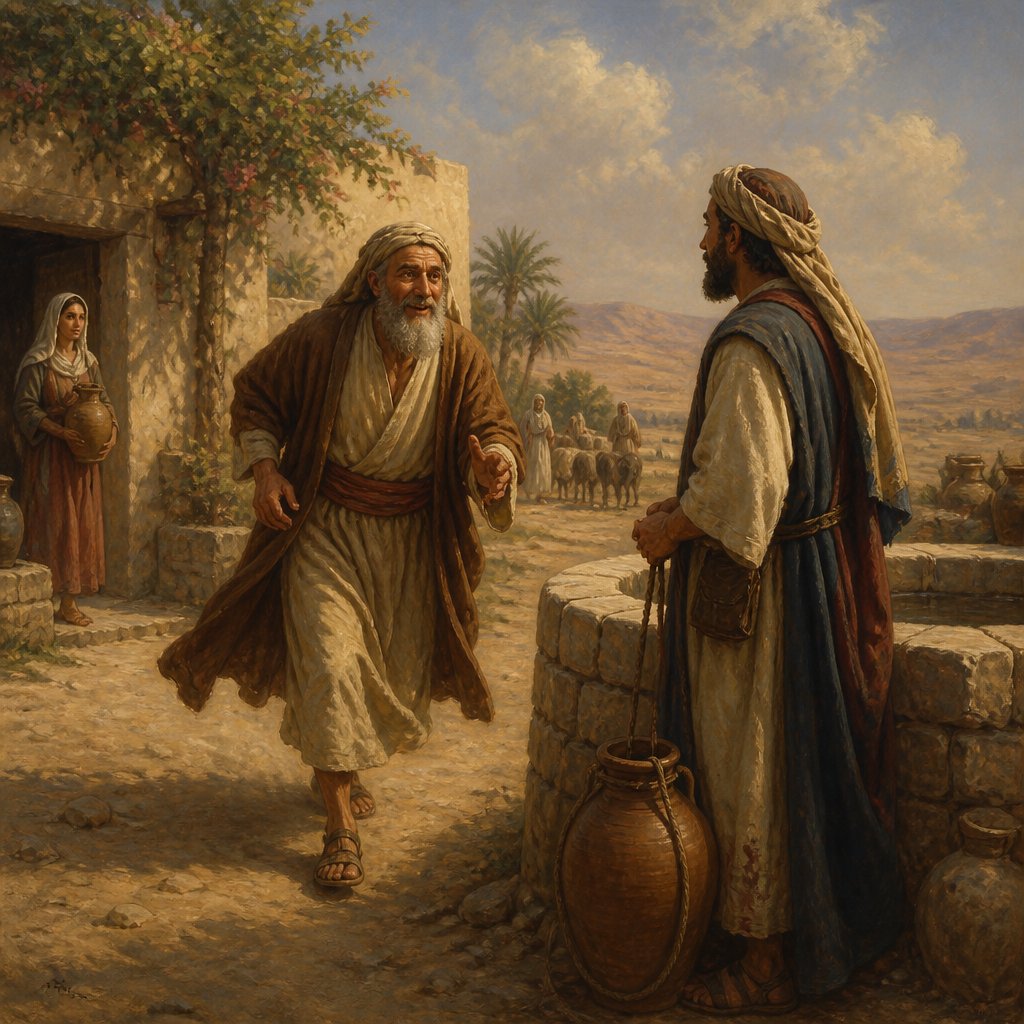
Genesis 24:29 (KJV) says, "And Rebekah had a brother, and his name was Laban: and Laban ran out unto the man, unto the well."
This verse is a part of the larger narrative in Genesis 24, which tells the story of how Isaac, the son of Abraham, found a wife. The servant of Abraham, who is never named in the text, is sent on a quest to find a wife for Isaac. The servant prays for a sign from God, that the woman God has chosen for Isaac will be the one who offers him water when he asks for a drink. Rebekah, who is described as beautiful and a virgin, comes to draw water from the well, and when the servant asks for a drink, she not only gives him a drink but also waters his camels. This act of kindness and generosity convinces the servant that she is the one God has chosen for Isaac. The next few verses detail how the servant finds out about Rebekah's family and ultimately meets her brother Laban, who then invites the servant to their home.
In this particular verse, the focus shifts from Rebekah to her brother Laban. Laban's immediate action of running out to meet the servant shows the level of hospitality and urgency he has in welcoming and greeting the servant. This could be seen as a demonstration of how important hospitality and kindness were in the ancient Near Eastern culture. Laban's quick response reflects the cultural norms of the time and highlights the importance of showing hospitality and respect to guests, even to strangers.
The name "Laban" means "white" in Hebrew, and in the Bible, Laban is often portrayed as a cunning and deceptive character. This negative portrayal of Laban becomes more evident in the later chapters of Genesis, especially in the story of Jacob working for Laban to marry his daughters Rachel and Leah. Laban's actions throughout the story demonstrate that he is a shrewd and manipulative individual, which contrasts with the initial impression of hospitality and kindness portrayed in this verse. This foreshadows the challenges and conflicts that will arise as the story of Isaac, Rebekah, and Jacob continues.
The act of "running out unto the man, unto the well" also holds symbolic significance. In the biblical context, running to meet someone is a sign of respect and importance. It demonstrates a willingness to serve and attend to the needs of the guest. In ancient times, running was not common for adult men but only for young boys or servants. Laban's act of running to the servant also serves as a foreshadowing of how Laban's character will develop in the story. At this moment, Laban presents himself as a respectful and hospitable host, but his true nature will later be revealed.
This verse also highlights the theme of divine providence and guidance. The entire story of finding a wife for Isaac is set in motion by the servant's prayer for divine guidance. Throughout the narrative, it is evident that God is orchestrating events to fulfill His will and plan. The meeting of Rebekah and the servant, Laban's hospitality, and ultimately, Rebekah becoming Isaac's wife are all part of God's providential care and guidance. This theme demonstrates the belief in God's sovereignty and His ability to work through human actions and decisions to accomplish His purposes.
In conclusion, Genesis 24:29 is a verse that may seem simple at first glance, but it holds deeper meanings and insights into the cultural norms of ancient times, the character traits of the individuals involved, and the overarching theme of divine providence. It sets the stage for the ongoing narrative of Isaac, Rebekah, Laban, and Jacob, showcasing the complex dynamics of human relationships and the overarching role of God's guidance and providence in the lives of His people.
Have questions about Genesis 24:29?
Dive deeper into this scripture with Bible Chat — an AI-powered tool for exploring God's Word through conversation. Ask questions, get context, and grow in your understanding of the Bible.
Get Our Apps


Genesis 24:29 Artwork

Genesis 24-29

Genesis 24:29 - "¶ And Rebekah had a brother, and his name was Laban: and Laban ran out unto the man, unto the well."
"¶ And Rebekah had a brother, and his name was Laban: and Laban ran out unto the man, unto the well." - Genesis 24:29

Genesis 29:24 - "And Laban gave unto his daughter Leah Zilpah his maid for an handmaid."
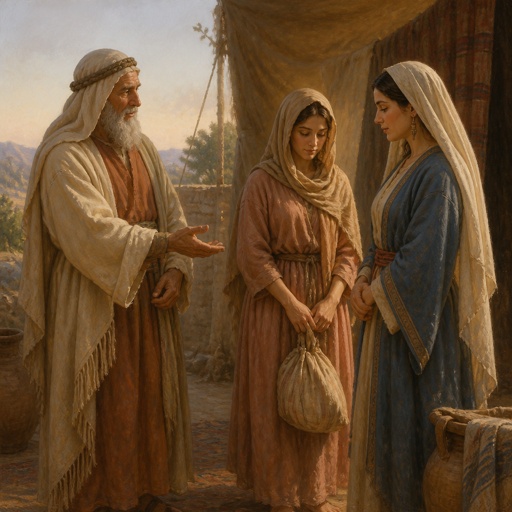
"And Laban gave unto his daughter Leah Zilpah his maid for an handmaid." - Genesis 29:24

Genesis 24:24

Matthew 7:24-29

Matthew 7:24-29

Genesis 29:29 - "And Laban gave to Rachel his daughter Bilhah his handmaid to be her maid."

Genesis 29-2

Genesis 29-6

Genesis 29-5

Genesis 42:29

Genesis 29-7

Genesis 29:1

Genesis 18-29

Genesis 26:29

Genesis 29-3

Genesis 19-29

Genesis 29-8

Genesis 29-4

Genesis 21-29

1 Chronicles 24:29 - "Concerning Kish: the son of Kish was Jerahmeel."

Genesis 29:16-35

Genesis 29:15-30

Genesis 24-21

Genesis 25-24

Genesis 24-41

Genesis 24-61

Genesis 24:36