What does Genesis 23:14 mean?
"And Ephron answered Abraham, saying unto him," - Genesis 23:14
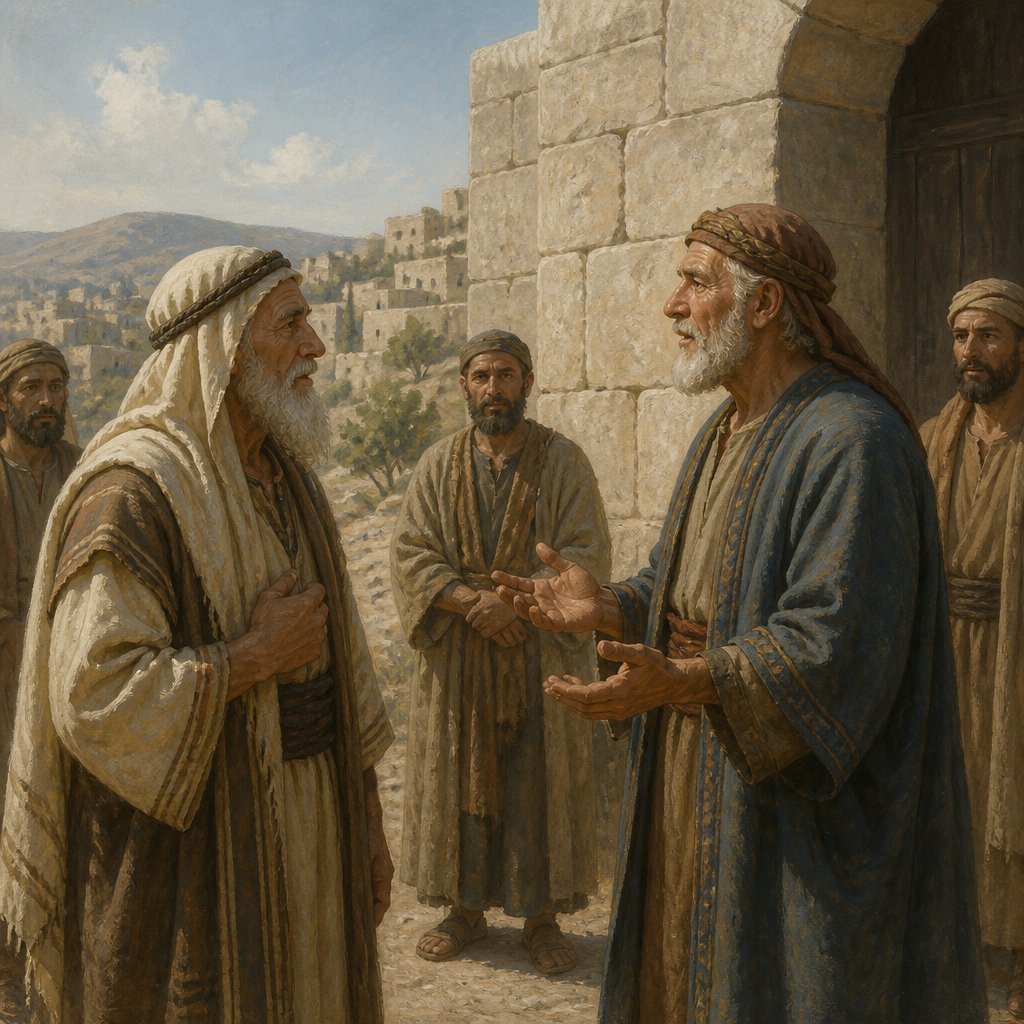
Genesis 23:14 from the King James Version (KJV) of the Bible reads, "And Ephron answered Abraham, saying unto him, My lord, hearken unto me: the land is worth four hundred shekels of silver; what is that betwixt me and thee? bury therefore thy dead."
This verse comes from the story of Abraham purchasing a burial plot for his wife Sarah, who had passed away. It is a pivotal moment in the life of Abraham and a significant event in the history of the Jewish people. This passage holds meaning and significance on several levels, including themes of grief, faith, and the fulfillment of God's promises.
The context of this verse is important for understanding its significance. Sarah, Abraham's beloved wife and the mother of the promised child Isaac, has just passed away. In his grief, Abraham seeks to purchase a suitable burial place for her. He approaches the Hittites, the people of the land, and asks to buy a cave and the field it is in from a man named Ephron. In the preceding verses, Ephron offers to give the land to Abraham as a gift, but Abraham insists on paying for it as a token of his respect for Sarah and as a way to establish his claim to the land.
The negotiation between Abraham and Ephron serves as a powerful symbol of the Jewish people's connection to the land of Canaan and their belief in God's promises. The price Ephron asks for the land, four hundred shekels of silver, is a significant amount, but Abraham willingly pays it, demonstrating his commitment to honor Sarah and secure a proper burial place for her. This act also establishes Abraham's legal right to the land, fulfilling God's promise to give the land of Canaan to Abraham's descendants.
The theme of grief is also present in this verse. Abraham's deep sorrow over the loss of his wife is evident in his determination to find the perfect resting place for her. By engaging in the negotiation with Ephron and insisting on purchasing the land, Abraham shows his love and respect for Sarah even in death. This act of honoring the deceased is an important aspect of Jewish tradition and serves as a model for the way the living should care for the departed.
The faith of Abraham is another key theme in this passage. Despite his grief, Abraham remains steadfast in his belief in God's promises. The purchase of the burial plot becomes a symbolic act of faith, as it represents Abraham's trust that his descendants will inherit the land as God has promised. By paying the full price for the land and burying Sarah there, Abraham demonstrates his unwavering faith in God's plan for his people.
The symbolism in this verse is rich and multifaceted. The land of Canaan, which Abraham purchases as a burial place for Sarah, becomes a physical and spiritual inheritance for the Jewish people. The act of burying Sarah there solidifies the connection between Abraham's family and the land, affirming their claim to it as the fulfillment of God's covenant. The cave itself, in which Abraham lays Sarah to rest, becomes a symbol of hope and resurrection, as it is a place of both mourning and the expectation of God's faithfulness.
In conclusion, Genesis 23:14 is a verse rich in meaning and significance. It highlights themes of grief, faith, and the fulfillment of God's promises, while also serving as a powerful symbol of the Jewish people's connection to the land of Canaan. The verse reminds us of the importance of honoring our loved ones in death and the power of faith in the face of sorrow. It also emphasizes the central role of God's promises in shaping the lives and destinies of His people.
Have questions about Genesis 23:14?
Dive deeper into this scripture with Bible Chat — an AI-powered tool for exploring God's Word through conversation. Ask questions, get context, and grow in your understanding of the Bible.
Get Our Apps


Genesis 23:14 Artwork

Genesis 23-14

Genesis 23:14 - "And Ephron answered Abraham, saying unto him,"
"And Ephron answered Abraham, saying unto him," - Genesis 23:14
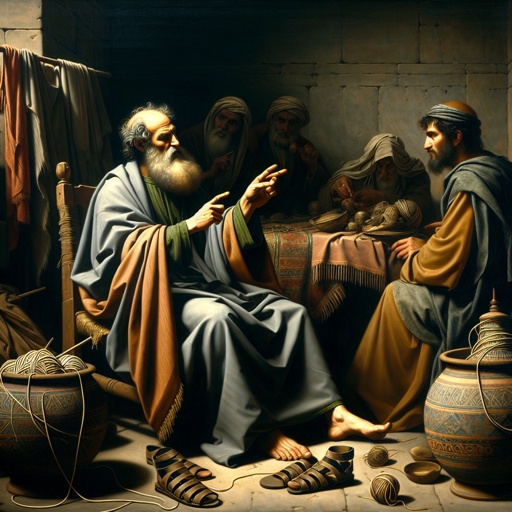
Genesis 14:23 That I will not take from a thread even to a shoelatchet, and that I will not take any thing that is yours, lest you should say, I have made Abram rich

Genesis 23-19

Genesis 23-3

Genesis 23-13

Genesis 23-17

Genesis 23:11

Genesis 23-9

Genesis 23:2

Genesis 23-18

Genesis 23-5

Genesis 23-12

Genesis 23-4

Genesis 23-16

Genesis 17-23

Genesis 23:1

Genesis 23-10

Genesis 23-6

Genesis 23-8

Genesis 25-23

Genesis 18-23

Genesis 19-23

Genesis 22-23
Genesis 21-23

Genesis 23-20

Genesis 23-7

Genesis 3:23

Genesis 23-15