What does Genesis 22:10 mean?
"And Abraham stretched forth his hand, and took the knife to slay his son." - Genesis 22:10
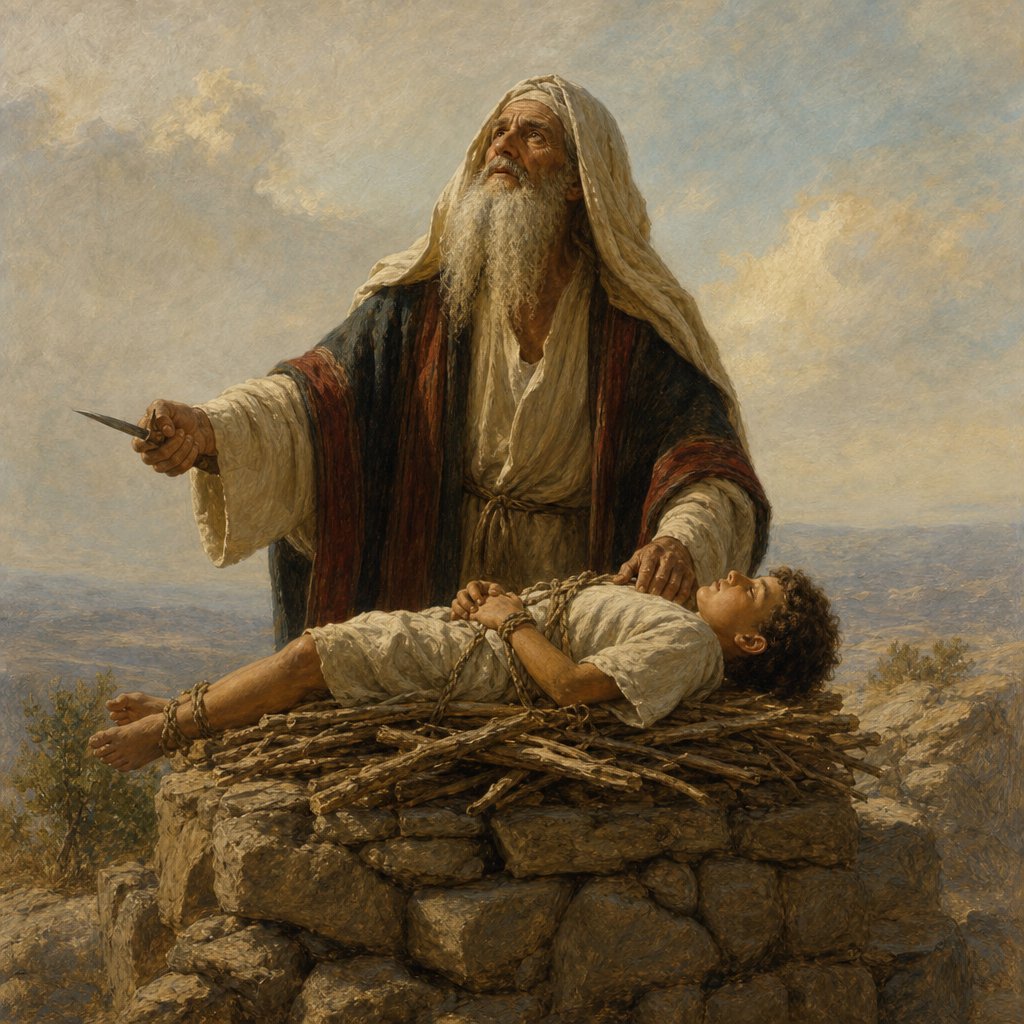
Genesis 22:10 from the King James Version reads: "And Abraham stretched forth his hand, and took the knife to slay his son."
This verse comes from the Biblical story of Abraham and Isaac, a profound and deeply moving narrative that continues to resonate with readers across cultures and generations. The story of Abraham and Isaac is a pivotal moment in the Old Testament, and it is a tale that raises profound questions about faith, sacrifice, and the nature of divine intervention.
In this particular verse, the tension and drama of the story reach a fever pitch as Abraham, at the behest of God, prepares to sacrifice his beloved son Isaac. The gravity of the situation is palpable as Abraham reaches for the knife, fully intending to carry out the gruesome act which God has commanded of him.
The symbolism and themes at play in this verse are rich and complex, and they have been a source of fascination and contemplation for theologians, scholars, and readers for centuries. One of the central themes in this verse is the idea of testing one's faith. God has tested Abraham's faith many times, and this is perhaps the ultimate test. The fact that Abraham is willing to go to such extreme lengths to obey God's command speaks to his unwavering faith and devotion.
The verse also speaks to the theme of sacrifice. Throughout the Bible, sacrifice is a recurring motif, and it serves as a means of demonstrating one's faith or of atonement. In this case, the sacrifice of Isaac is not only a test of Abraham's faith but also a foreshadowing of the ultimate sacrifice of Jesus Christ on the cross. The parallel between Isaac and Jesus as sacrificial figures is a potent and resonant one, and it serves to underscore the overarching narrative of redemption and salvation that runs throughout the Bible.
The context of this verse is equally significant. The story of Abraham and Isaac takes place against the backdrop of God's covenant with Abraham, in which God promises to make him the father of a great nation. Isaac, his long-awaited son, is the fulfillment of this promise, and so the command to sacrifice Isaac is particularly jarring and perplexing. It forces the reader to grapple with the apparent contradiction between God's promise and his demand for Isaac's life, and it prompts us to consider the nature of God's will and the extent of human obedience.
Furthermore, the emotional and psychological intensity of this verse cannot be overstated. The image of a father preparing to kill his own son is profoundly harrowing, and it forces us to confront the moral and ethical implications of such an act. It also prompts us to consider the complex dynamics of the relationship between parent and child, as well as the depths of human love and devotion.
In conclusion, Genesis 22:10 is a verse of profound significance, rich in symbolism and themes that continue to resonate with readers today. The story of Abraham and Isaac challenges us to grapple with fundamental questions about faith, sacrifice, and the nature of divine intervention. It serves as a potent reminder of the power and complexity of the Bible as a source of spiritual and moral contemplation, and it continues to inspire deep reflection and interpretation across cultures and centuries.
Have questions about Genesis 22:10?
Dive deeper into this scripture with Bible Chat — an AI-powered tool for exploring God's Word through conversation. Ask questions, get context, and grow in your understanding of the Bible.
Get Our Apps


Genesis 22:10 Artwork

Genesis 22:10

Genesis 22-10

Genesis 22:10 - "And Abraham stretched forth his hand, and took the knife to slay his son."
"And Abraham stretched forth his hand, and took the knife to slay his son." - Genesis 22:10

Genesis 10:22 - "The children of Shem; Elam, and Asshur, and Arphaxad, and Lud, and Aram."
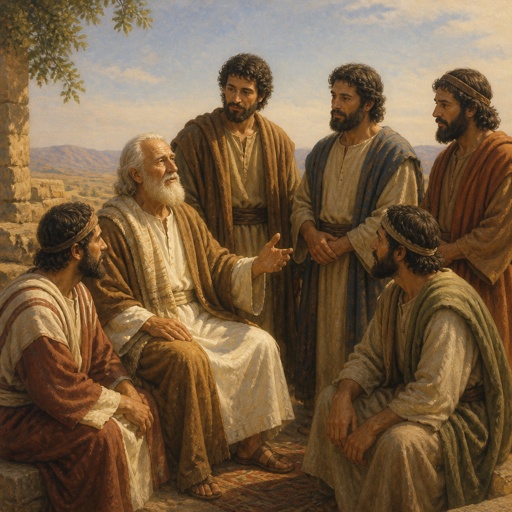
"The children of Shem; Elam, and Asshur, and Arphaxad, and Lud, and Aram." - Genesis 10:22

Genesis 22-22

Genesis 22:22 - "And Chesed, and Hazo, and Pildash, and Jidlaph, and Bethuel."

Genesis 22

Genesis 22 14

Genesis 21:22

Genesis 18-22

Genesis 22-9

Genesis 22-8

Genesis 22:15

Genesis 22-12

Genesis 28-22

Genesis 22-16

Genesis 22-23

Genesis 22-21

Genesis 22-7

Genesis 22-4

Genesis 17-22

Genesis 19-22

Genesis 22-14

Genesis 22-17

Genesis 22:1

Genesis 22-20

Genesis 22:11

Genesis 22-18