What does Genesis 21:28 mean?
"And Abraham set seven ewe lambs of the flock by themselves." - Genesis 21:28
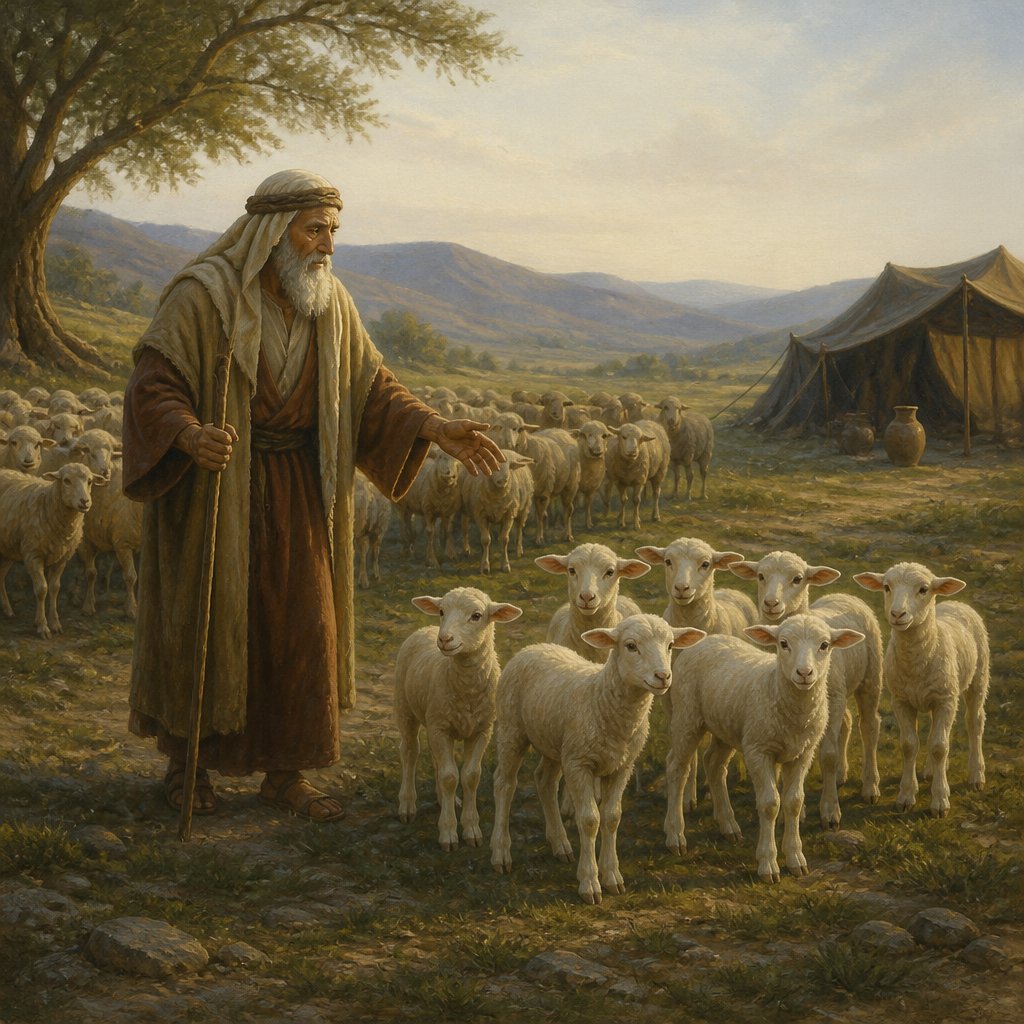
In the book of Genesis, chapter 21, verse 28 of the King James Version of the Bible, it says, "And Abraham set seven ewe lambs of the flock by themselves." This seemingly simple verse holds deeper meaning and can be interpreted in a variety of ways based on historical context, symbolism, and theological themes.
The verse occurs within the larger story of Abraham and his family. At this point in the narrative, Abraham is making a treaty with Abimelech, the king of Gerar. The two men come to an agreement about a well that Abraham had dug, and as a symbol of their agreement, Abraham sets aside seven ewe lambs from his flock. This gesture is significant because it signifies a promise, a covenant, and an act of reconciliation between the two parties.
One theological theme that can be derived from this verse is the concept of peace and reconciliation. Through this act of setting aside the ewe lambs, Abraham and Abimelech are seeking to establish peace and harmony between their households. This mirrors the broader biblical theme of God's desire for reconciliation between humanity and Himself. The symbolism of the seven ewe lambs could be seen as representing completeness and wholeness in the restoration of the relationship between Abraham and Abimelech.
Another theme that can be explored in this verse is the concept of sacrifice. The act of setting aside valuable livestock as a symbol of the covenant represents a sacrifice on Abraham's part. This can be seen as a foreshadowing of the ultimate sacrifice of Jesus Christ, who is often referred to as the "Lamb of God" in the New Testament. The seven ewe lambs, therefore, can be interpreted as a representation of Christ's sacrificial atonement for the sins of humanity, highlighting the interconnectedness of the Old and New Testaments in Christian theology.
In addition to these theological themes, it is important to consider the historical context in which this verse is situated. During the time when these events took place, the act of making a covenant or treaty often involved the exchange of goods or animals as a symbol of the agreement. This practice was common in the ancient Near East and is reflected in other biblical narratives as well.
Symbolically, the number seven holds significance in the Bible and is often associated with completeness and perfection. In this verse, the seven ewe lambs could be seen as a symbol of the completeness of the covenant between Abraham and Abimelech. The act of setting aside the ewe lambs as part of the treaty indicates a mutual commitment to uphold the terms of the agreement, emphasizing the weight and importance of their reconciliation.
In conclusion, Genesis 21:28 from the King James Version of the Bible encompasses themes of peace, reconciliation, sacrifice, and covenant. Through the symbolism of the seven ewe lambs and the historical context in which this verse is situated, we can glean a deeper understanding of the theological significance and broader implications of this simple yet profound gesture. As with many passages in the Bible, this verse invites readers to explore its layers of meaning, offering insights into the complex relationship between humanity, God, and one another.
Have questions about Genesis 21:28?
Dive deeper into this scripture with Bible Chat — an AI-powered tool for exploring God's Word through conversation. Ask questions, get context, and grow in your understanding of the Bible.
Get Our Apps


Genesis 21:28 Artwork

Genesis 21:28

Genesis 21:28 - "And Abraham set seven ewe lambs of the flock by themselves."
"And Abraham set seven ewe lambs of the flock by themselves." - Genesis 21:28

Genesis 28-21

Genesis 28:21 - "So that I come again to my father's house in peace; then shall the LORD be my God:"
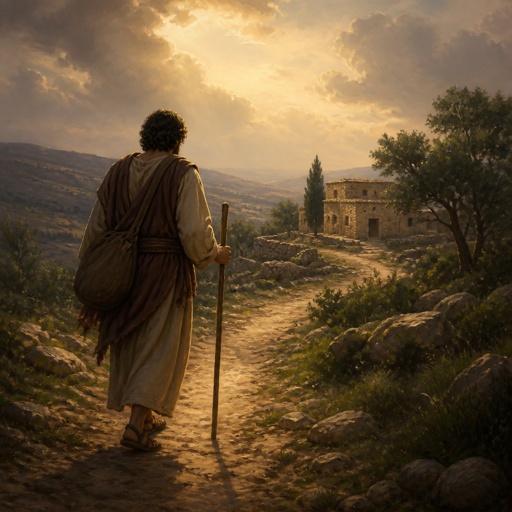
"So that I come again to my father's house in peace; then shall the LORD be my God:" - Genesis 28:21

Genesis 21-21

Genesis 28-15

Genesis 28-12

Genesis 28-16

Genesis 28-22

Genesis 28-17

Genesis 28:18

Genesis 24:28

Genesis 28:18

Genesis 28-20

Genesis 28-13

Genesis 28-19

Genesis 28-14

Genesis 28-11

Genesis 19-28

Genesis 28:10

Genesis 18-28

Genesis 10:28 - "And Obal, and Abimael, and Sheba,"

Genesis 1:21

Genesis 1:21

Genesis 36:28 - "The children of Dishan are these; Uz, and Aran."

Genesis 35:28 - "And the days of Isaac were an hundred and fourscore years."

Genesis 21-20

Genesis 21-6