What does Genesis 20:9 mean?
"Then Abimelech called Abraham, and said unto him, What hast thou done unto us? and what have I offended thee, that thou hast brought on me and on my kingdom a great sin? thou hast done deeds unto me that ought not to be done." - Genesis 20:9
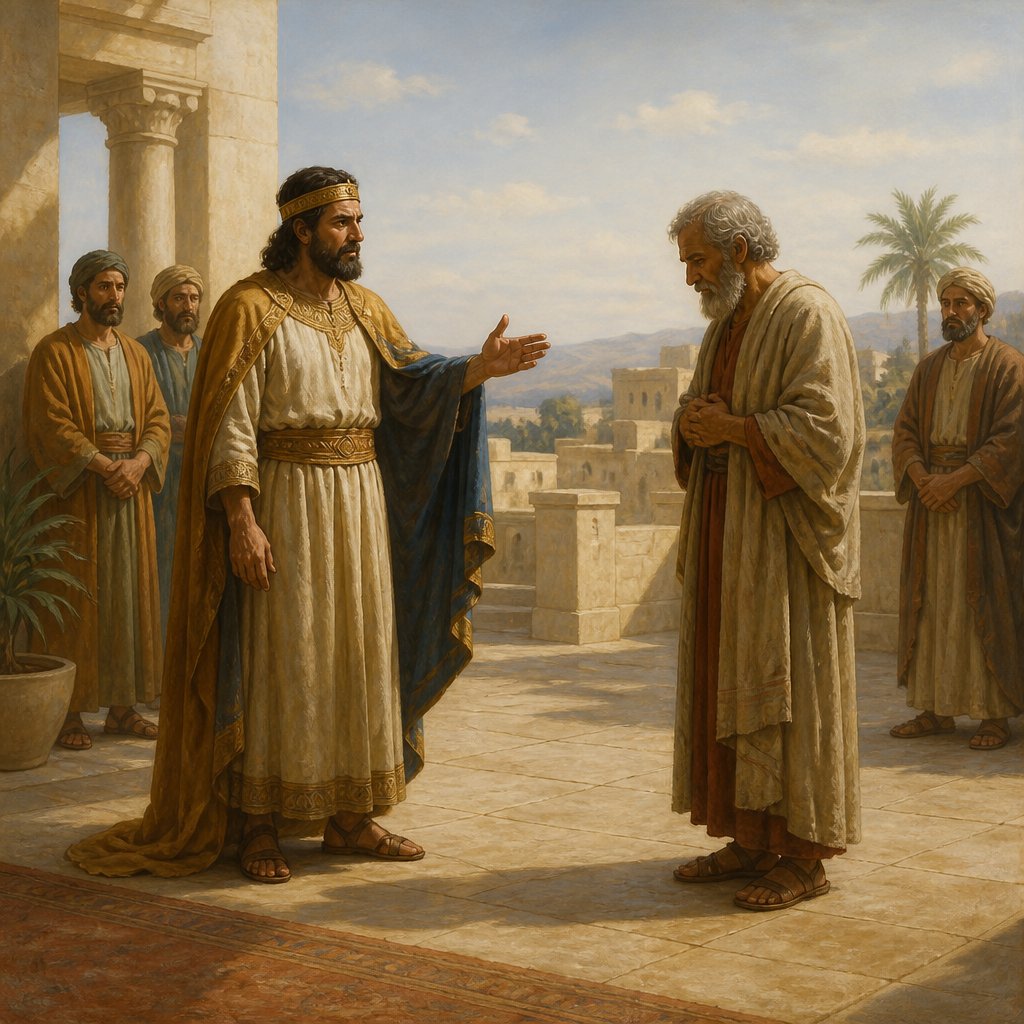
Genesis 20:9 in the King James Version of the Bible states, "Then Abimelech called Abraham, and said unto him, What hast thou done unto us? and what have I offended thee, that thou hast brought on me and on my kingdom a great sin? thou hast done deeds unto me that ought not to be done."
This verse comes from the story of Abraham and Sarah in the land of Gerar. In this chapter, Abraham and Sarah are on a journey and fear for their safety, as Sarah is a beautiful woman and they are concerned they may be killed so someone else can take her as a wife. In an attempt to protect himself, Abraham lies and tells Abimelech, the king of Gerar, that Sarah is his sister rather than his wife. As a result, Abimelech takes Sarah into his harem. However, before he can take her, God intervenes and warns Abimelech in a dream that Sarah is actually Abraham's wife, and if he doesn't return her, he will die.
When we examine this verse in its context, we can see that it is a pivotal moment in the story and speaks to several timeless themes and lessons. One prominent theme is the consequences of deception and fear, as well as God's protection and faithfulness.
Abraham's actions in this situation are a result of his fear and lack of faith in God's ability to protect him. Instead of trusting in God's sovereignty, he takes matters into his own hands and deceives those around him, which ultimately leads to complications and sin. This serves as a cautionary tale about the destructive nature of fear and deceit, and the importance of relying on God's promises and protection.
Abimelech's reaction to the situation also reflects the consequences of sin and the ripple effect it can have on others. Even though he unknowingly took another man's wife, he is held accountable for his actions, which leads to a confrontation with Abraham. This serves as a reminder that our choices can have far-reaching effects on those around us, and we must be mindful of our actions and their potential impact.
Another important aspect of this verse is the demonstration of God's faithfulness and protection. Despite Abraham's deceit, God intervenes to protect Sarah and ensure that His plan for her and Abraham remains intact. This serves as a powerful reminder that God is always in control, even in the midst of our sin and mistakes.
Symbolically, this verse can also be seen as a representation of the broader theme of redemption and forgiveness. Despite the mistakes and sins of both Abraham and Abimelech, there is a path to restoration and reconciliation. This serves as a reflection of God's grace and mercy, as well as the opportunity for growth and transformation through our experiences.
In conclusion, Genesis 20:9 is a verse that speaks to the timeless themes of fear, deception, consequences of sin, and God's faithfulness. It reminds us of the importance of trusting in God's sovereignty, being mindful of our actions, and seeking redemption and reconciliation in the face of our mistakes. This verse serves as a powerful reminder of the complexities of human nature and the unwavering grace of God.
Have questions about Genesis 20:9?
Dive deeper into this scripture with Bible Chat — an AI-powered tool for exploring God's Word through conversation. Ask questions, get context, and grow in your understanding of the Bible.
Get Our Apps


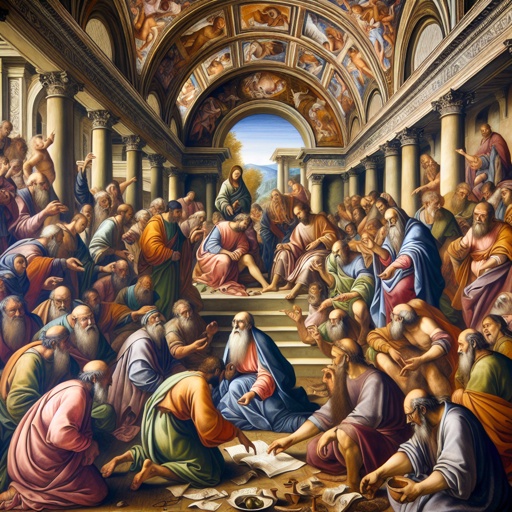
Genesis 20:9 Artwork

Genesis 20:9

Genesis 20:9 - "Then Abimelech called Abraham, and said unto him, What hast thou done unto us? and what have I offended thee, that thou hast brought on me and on my kingdom a great sin? thou hast done deeds unto me that ought not to be done."
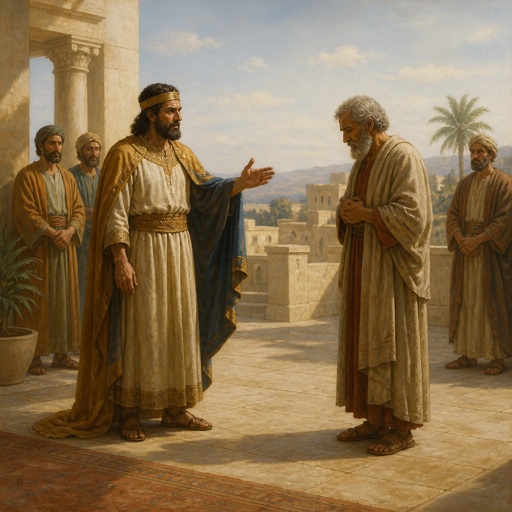
"Then Abimelech called Abraham, and said unto him, What hast thou done unto us? and what have I offended thee, that thou hast brought on me and on my kingdom a great sin? thou hast done deeds unto me that ought not to be done." - Genesis 20:9

Genesis 9:20 - "And Noah began to be an husbandman, and he planted a vineyard:"
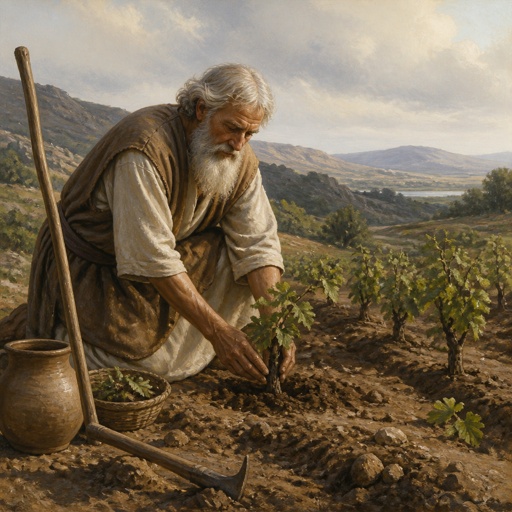
"And Noah began to be an husbandman, and he planted a vineyard:" - Genesis 9:20

Genesis 20

Genesis 20-18

Genesis 20-13

Genesis 20-16

Genesis 15:20

Genesis 20-4

Genesis 20-1

Genesis 20-15

Genesis 18-20

Genesis 19-20

Genesis 20-17
Genesis 20-3

Genesis 20-7

Genesis 23-20

Genesis 20-19

Genesis 20-8

Genesis 28-20

Genesis 20-12

Genesis 20-10
Genesis 20-11

Genesis 22-20

Genesis 21-20

Genesis 20-2

Genesis 20-14

Genesis 20-5