What does Genesis 18:26 mean?
"And the LORD said, If I find in Sodom fifty righteous within the city, then I will spare all the place for their sakes." - Genesis 18:26
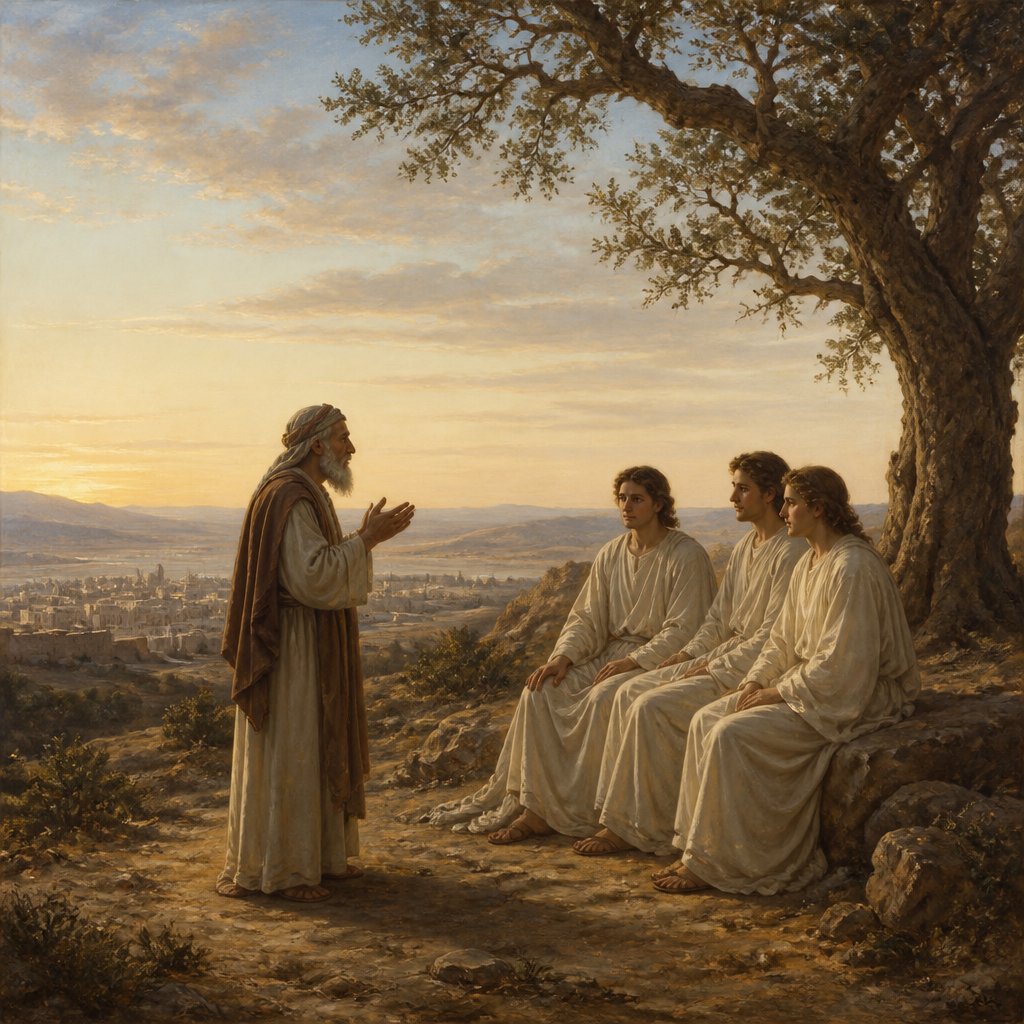
Genesis 18:26 (KJV): "And the Lord said, If I find in Sodom fifty righteous within the city, then I will spare all the place for their sakes."
This verse comes from the story of Abraham interceding for the city of Sodom, in which God informs Abraham of His plan to destroy the city due to its great wickedness. Abraham, knowing that his nephew Lot and his family live in Sodom, pleads with God to spare the city if there are even just fifty righteous people living in it.
The verse reveals several important themes and teachings found throughout the Bible. Firstly, it showcases the mercy and compassion of God. Despite the immense wickedness prevailing in Sodom, God is willing to spare the entire city if there are fifty righteous individuals within it. This demonstrates God's desire for the salvation of all, even in the midst of widespread sin and rebellion.
Secondly, the verse emphasizes the importance of righteousness and the impact of righteous individuals within a community. The presence of just fifty righteous people is enough to potentially save an entire city from destruction. This reinforces the biblical teaching that the prayers and actions of even a small number of faithful individuals can have a profound impact on the world around them.
The verse also highlights the concept of intercession and the role of believers in seeking God's mercy for others. Abraham's willingness to intercede on behalf of Sodom reveals the power of prayer and the responsibility of God's people to advocate for the well-being of others, even in the face of great adversity.
In its wider biblical context, Genesis 18:26 serves as a precursor to the eventual destruction of Sodom and Gomorrah, illustrating the justice of God in response to unrepentant sin and the consequences of moral corruption. The story of Sodom and Gomorrah, and Abraham's intercession, is referenced in multiple other parts of the Bible, including in the New Testament. For example, the cities are mentioned in Luke 17:28-32 and in 2 Peter 2:6-10, emphasizing the significance of this event in biblical history.
Moreover, the verse underscores the importance of faith and trust in God's character. Abraham's willingness to question and reason with God, based on his understanding of God's righteousness and justice, showcases a deep trust in God's nature and a belief in His willingness to listen to the pleas of His people.
Symbolically, the verse can be interpreted as a representation of the transformative power of righteousness and the potential for redemption, as well as the responsibility of believers to stand for justice and advocate for the well-being of others. It also serves as a warning about the consequences of unrepentant sin and a call to prayerful intercession on behalf of others.
In conclusion, Genesis 18:26 is a verse rich in theological and moral significance, conveying important themes of God's mercy, the impact of righteousness, the power of intercession, and the consequences of unrepentant sin. It serves as a powerful reminder of the importance of faith, prayer, and advocacy for the well-being of others, anchoring its teachings within the wider biblical narrative of God's judgment and salvation.
Have questions about Genesis 18:26?
Dive deeper into this scripture with Bible Chat — an AI-powered tool for exploring God's Word through conversation. Ask questions, get context, and grow in your understanding of the Bible.
Get Our Apps


Genesis 18:26 Artwork

Genesis 18-26

Genesis 18:26 - "And the LORD said, If I find in Sodom fifty righteous within the city, then I will spare all the place for their sakes."
"And the LORD said, If I find in Sodom fifty righteous within the city, then I will spare all the place for their sakes." - Genesis 18:26

Genesis 26:18

Genesis 1:26

Genesis 1:26

Genesis 1:26

Genesis 26:18 - "And Isaac digged again the wells of water, which they had digged in the days of Abraham his father; for the Philistines had stopped them after the death of Abraham: and he called their names after the names by which his father had called them."

Genesis 1:26
Genesis 18-18

Genesis 24-26

Genesis 26:35

Genesis 50:26

Genesis 26:25

Genesis 25-26

Genesis 21-26

Genesis 50:26

Genesis 50:26

Genesis 26:29

Genesis 19-26

Genesis 50:26

Genesis 26:9

Genesis 17-26

Joshua 18:26 - "And Mizpeh, and Chephirah, and Mozah,"

Genesis 26 1 famine

Genesis 26:6 - "¶ And Isaac dwelt in Gerar:"

genesis 26:1-35

Genesis 26:26 - "¶ Then Abimelech went to him from Gerar, and Ahuzzath one of his friends, and Phichol the chief captain of his army."

Genesis 42:26 - "And they laded their asses with the corn, and departed thence."

Luke 18:26 - "And they that heard it said, Who then can be saved?"