What does Genesis 16:5 mean?
"And Sarai said unto Abram, My wrong be upon thee: I have given my maid into thy bosom; and when she saw that she had conceived, I was despised in her eyes: the LORD judge between me and thee." - Genesis 16:5
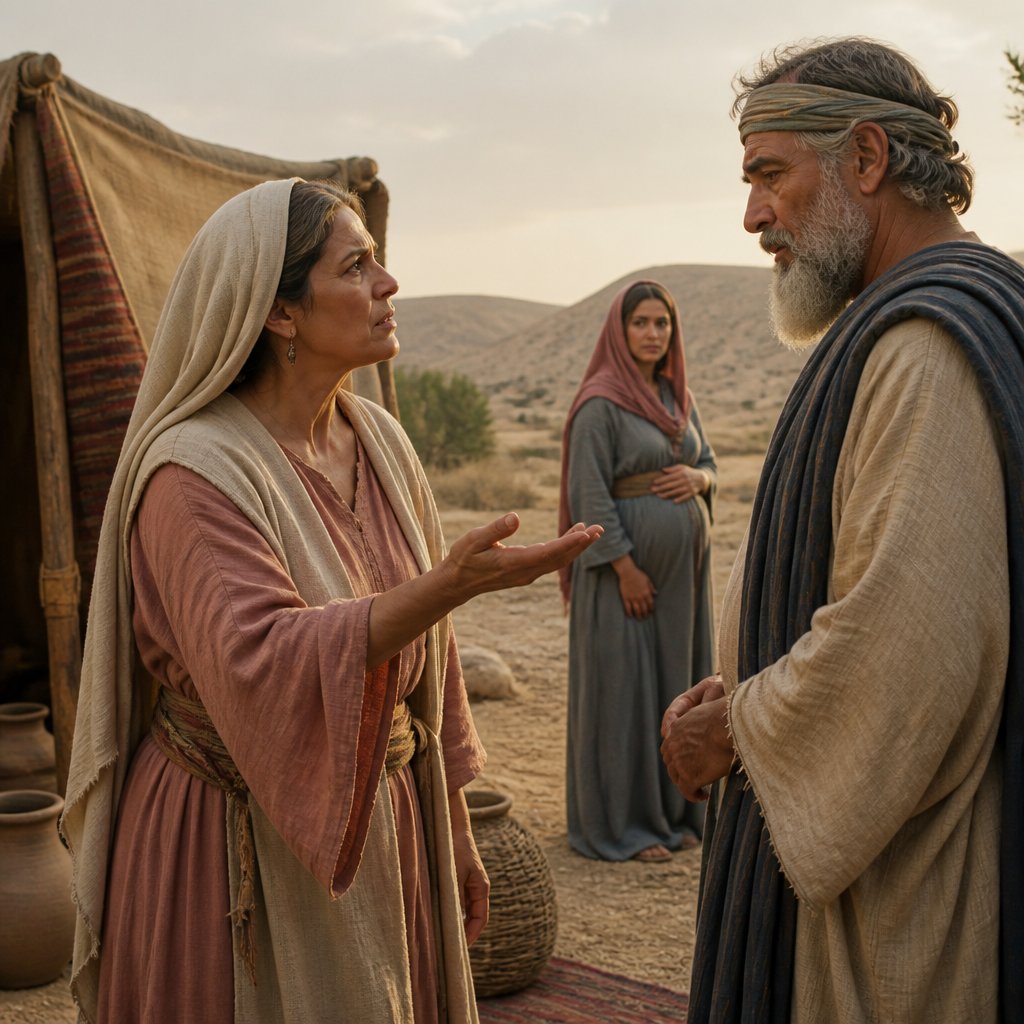
Genesis 16:5 (KJV) says, "And Sarai said unto Abram, My wrong be upon thee: I have given my maid into thy bosom; and when she saw that she had conceived, I was despised in her eyes: the Lord judge between me and thee."
This verse is a part of the story of Abram, later known as Abraham, and his wife Sarai, later known as Sarah, and their handmaid Hagar. It depicts the complex situation of the relationship between Abram and Sarai, the issue of fertility, and the consequences of taking matters into their own hands.
The context of this verse is important for understanding its meaning. In the preceding verses, Sarai was unable to conceive a child, which was shameful and distressing in their society. In an effort to have a child, Sarai suggested to Abram that he should have a child with her handmaid, Hagar, and Abram agreed. Hagar then became pregnant, and as a result of her success, she began to despise her mistress, Sarai. This ultimately led to conflict and tension within their household.
Sarai's words to Abram in this verse reveal the bitterness and resentment she feels as a result of her decision to give her maid to Abram. She expresses her feelings of being wronged and blames Abram for the unpleasant situation she finds herself in. By saying "My wrong be upon thee," Sarai is essentially placing the responsibility on Abram for the strife that has arisen from her suggestion.
The themes present in this verse are of human weakness, impatience, and the consequences of taking matters into one's own hands. Sarai's decision to give Hagar to Abram as a way to have a child reveals her impatience and lack of trust in God's plan for their family. Instead of waiting for God to fulfill His promise of giving them a child, Sarai took matters into her own hands, and this action led to conflict and resentment within their household.
Another theme present in this verse is the theme of judgment and justice. Sarai calls upon the Lord to judge between her and Abram, indicating her desire for justice and resolution in the midst of her distress. This reflects the human desire for fairness and vindication when feeling wronged or mistreated.
The symbolism in this verse lies in the portrayal of the human condition and the flawed nature of humanity. Sarai's actions and words reveal the impatience and lack of faith that can lead to unrest and discord. It also symbolizes the consequences of not trusting in God's timing and his plan.
In conclusion, Genesis 16:5 (KJV) is a verse that captures the complexity of human relationships and the consequences of trying to fulfill God's promises in our own strength. It serves as a reminder of the importance of patience, trust, and faith in God's plan, even when it seems slow or difficult. It also highlights the need for seeking God's justice and resolution in the midst of conflict and strife. Ultimately, this verse is a timeless reminder of the human condition and the need for humility and trust in God's sovereignty.
Have questions about Genesis 16:5?
Dive deeper into this scripture with Bible Chat — an AI-powered tool for exploring God's Word through conversation. Ask questions, get context, and grow in your understanding of the Bible.
Get Our Apps


Genesis 16:5 Artwork

Genesis 16:5

Genesis 16:5 - "And Sarai said unto Abram, My wrong be upon thee: I have given my maid into thy bosom; and when she saw that she had conceived, I was despised in her eyes: the LORD judge between me and thee."
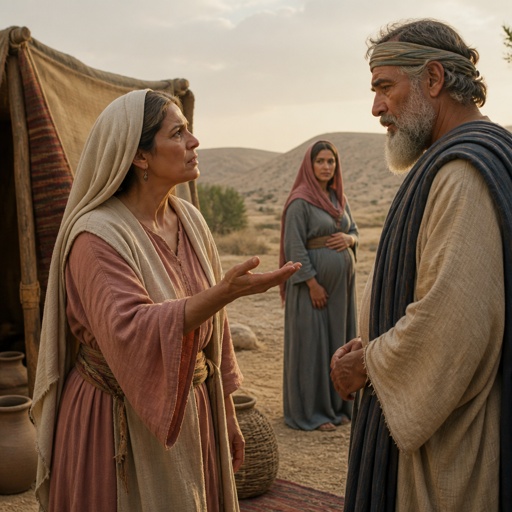
"And Sarai said unto Abram, My wrong be upon thee: I have given my maid into thy bosom; and when she saw that she had conceived, I was despised in her eyes: the LORD judge between me and thee." - Genesis 16:5

Genesis 5:16 - "And Mahalaleel lived after he begat Jared eight hundred and thirty years, and begat sons and daughters:"

Genesis 16:16
"And Mahalaleel lived after he begat Jared eight hundred and thirty years, and begat sons and daughters:" - Genesis 5:16

Genesis 16:3

Genesis 16:14

Genesis 16:2

Genesis 16:6

Genesis 1:16

Genesis 15:16

Genesis 16:8

Genesis 16:12

Genesis 25-16

Genesis 16:1

Genesis 18-16

Genesis 16:11

Genesis 3:16

Genesis 17-16

Genesis 16:4

Genesis 16:7

Genesis 23-16

Genesis 16:9

Genesis 20-16

Genesis 28-16

Genesis 22-16

Genesis 16:15

Genesis 16:10

Genesis 16:3