What does Genesis 16:4 mean?
"¶ And he went in unto Hagar, and she conceived: and when she saw that she had conceived, her mistress was despised in her eyes." - Genesis 16:4
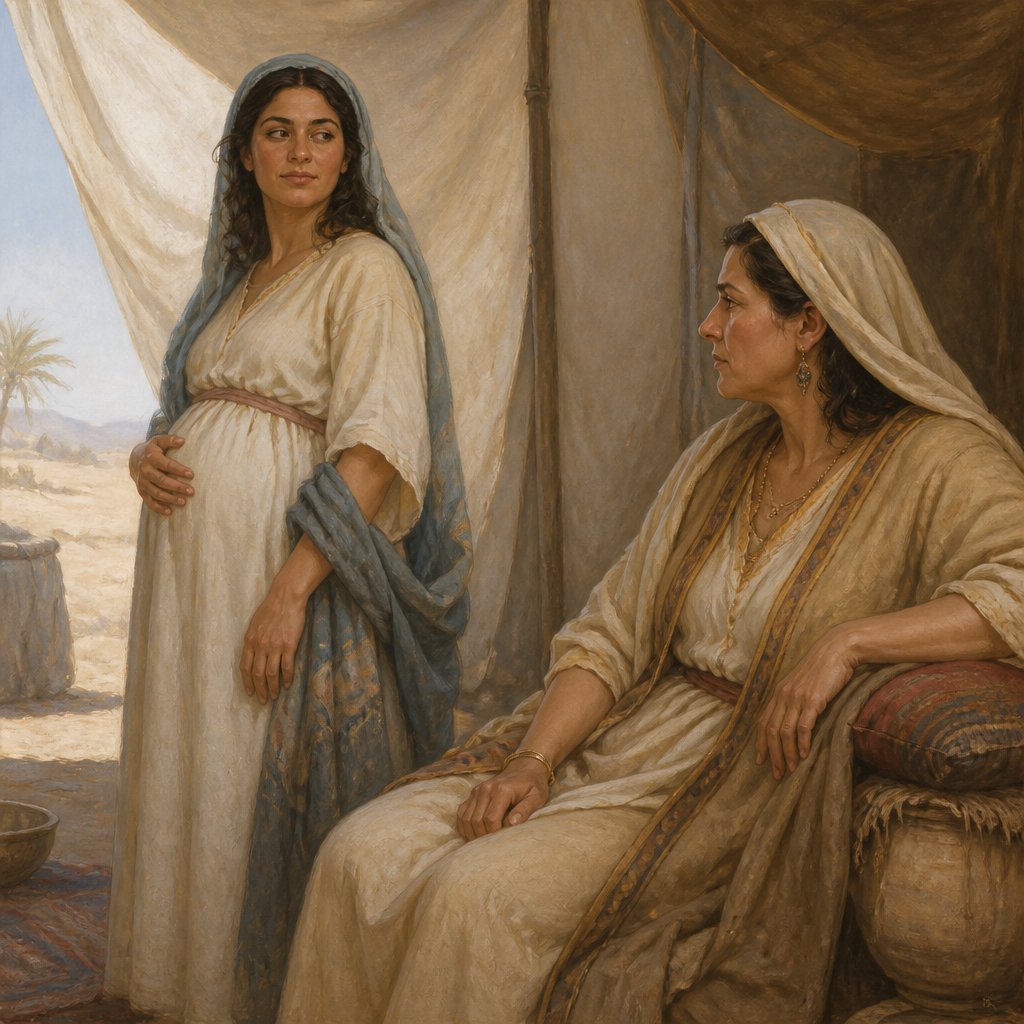
Genesis 16:4 (KJV) reads, "And he went in unto Hagar, and she conceived: and when she saw that she had conceived, her mistress was despised in her eyes."
This verse is a part of the story of Hagar, who was an Egyptian maidservant of Sarai, the wife of Abram. Sarai, who was unable to conceive, gave Hagar to Abram as a concubine in an attempt to have a child through her. The verse shows the consequences of this decision, as Hagar conceives and then looks down upon Sarai.
This verse is a part of the broader narrative found in the book of Genesis, which is the first book of the Bible. Genesis is a foundational text in both Christianity and Judaism, containing the stories of the creation of the world, the first humans, and the early history of the Israelite people. The story of Hagar is significant in the narrative because it deals with issues of fertility, social status, and the consequences of human decisions.
The theme of fertility is central to this verse and the story of Hagar. In the ancient Near East, fertility was of utmost importance, and the inability to conceive a child was seen as a great shame. This is why Sarai, despite being Abram's wife, gives her maidservant to him in order to have a child through her. The fact that Hagar conceives shows the importance and power of fertility in this cultural context.
Another theme present in this verse is that of social status and power dynamics. Hagar is a maidservant, and her relationship with Sarai is one of inequality. Sarai holds power over Hagar, and this is evident in the way that Hagar is treated as a mere vessel for bearing a child. However, once Hagar conceives, she begins to look down upon Sarai, showing a shift in the power dynamics of their relationship. This demonstrates the complex and often fraught nature of relationships within the social structures of the ancient world.
The consequences of human decisions is another important theme found in this verse. Sarai's decision to give Hagar to Abram results in tension and conflict between the two women. Hagar's conceiving of a child leads to her despising Sarai, which sets off a chain of events that will have long-lasting implications for both women and their descendants. This serves as a cautionary tale about the potential repercussions of impulsive and thoughtless decisions.
In terms of symbolism, this verse can be seen as representing the deep-seated human desire for power and status. Sarai's decision to give Hagar to Abram is driven by her desire for a child, while Hagar's reaction to conceiving reflects her desire to assert herself over her mistress. The child that Hagar conceives, Ishmael, becomes a symbol of this struggle for power and status, as he is ultimately caught in the middle of the conflict between Sarai and Hagar.
Overall, Genesis 16:4 is a verse that is rich in themes of fertility, power dynamics, and the consequences of human decisions. It offers a glimpse into the complexities of human relationships and the ways in which our actions can have far-reaching effects. In the broader context of the book of Genesis, this verse is a part of the larger narrative of God's covenant with Abram and the origins of the Israelite people, providing important insights into the social and cultural dynamics of the ancient world.
Have questions about Genesis 16:4?
Dive deeper into this scripture with Bible Chat — an AI-powered tool for exploring God's Word through conversation. Ask questions, get context, and grow in your understanding of the Bible.
Get Our Apps


Genesis 16:4 Artwork

Genesis 16:4

Genesis 16:4 - "¶ And he went in unto Hagar, and she conceived: and when she saw that she had conceived, her mistress was despised in her eyes."
"¶ And he went in unto Hagar, and she conceived: and when she saw that she had conceived, her mistress was despised in her eyes." - Genesis 16:4

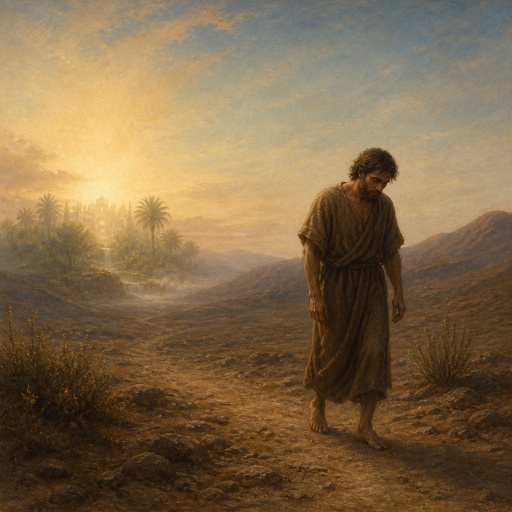
Genesis 4:16 - "¶ And Cain went out from the presence of the LORD, and dwelt in the land of Nod, on the east of Eden."

Genesis 16:16
"¶ And Cain went out from the presence of the LORD, and dwelt in the land of Nod, on the east of Eden." - Genesis 4:16

Genesis 16:3

Genesis 16:14

Genesis 16:6

Genesis 16:2

Genesis 1:16

Genesis 15:16

Genesis 16:1

Genesis 18-16

Genesis 25-16

Genesis 16:8

Genesis 16:12

Genesis 17-16

Genesis 3:16

Genesis 16:11

Genesis 16:7

Genesis 20-16

Genesis 28-16

Genesis 16:5

Genesis 16:9

Genesis 23-16

Genesis 22-16

Genesis 16:15

Genesis 16:3

Genesis 24-16