What does Genesis 16:14 mean?
"Wherefore the well was called Beer-lahai-roi; behold, it is between Kadesh and Bered." - Genesis 16:14
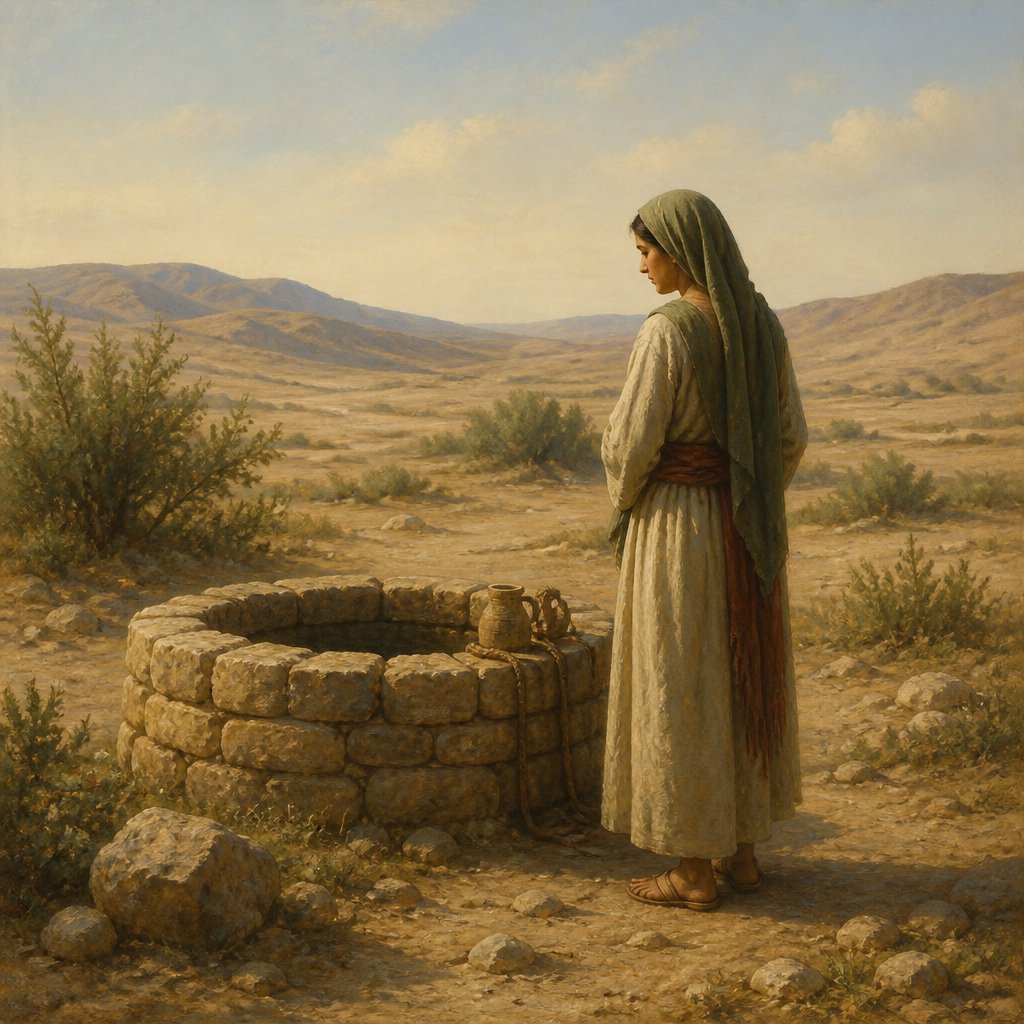
Genesis 16:14 in the King James Version (KJV) of the Bible reads, "Wherefore the well was called Beerlahairoi; behold, it is between Kadesh and Bered."
This verse comes from the story of Hagar in the book of Genesis. Hagar was an Egyptian servant of Sarai, the wife of Abram (who would later be known as Abraham). When Sarai was unable to bear children, she gave Hagar to Abram as a concubine in the hope of having children through her. Hagar became pregnant and gave birth to a son named Ishmael. However, tensions arose between Sarai and Hagar, leading to Hagar fleeing into the wilderness.
In the wilderness, an angel of the Lord found Hagar by a spring of water and encouraged her to return to Sarai and Abram, assuring her that her descendants would be numerous. The angel also told Hagar to name her son Ishmael, which means "God hears," because God had heard her misery. In gratitude, Hagar named the spring where she had encountered the angel Beerlahairoi, which means "the well of the Living One who sees me."
The naming of the well holds deep significance in this story. It reflects Hagar's personal encounter with God and her recognition of His care and concern for her. Despite being an Egyptian servant and an outsider in the family of Abraham, God saw her and took notice of her suffering. This encounter emphasizes the universal scope of God's compassion and His willingness to help those who are marginalized and oppressed.
The well of Beerlahairoi also serves as a symbol of divine providence and sustenance. In the harsh and arid wilderness, the presence of a spring of water was a life-giving source for Hagar and her son Ishmael. It represents God's provision and nourishment, even in the most desolate places. The naming of the well is a testimony to God's faithfulness and care for His people, especially in times of desperation and need.
Furthermore, the geographical location of the well holds significance in the broader context of the biblical narrative. The mention of Kadesh and Bered situates Beerlahairoi as a specific landmark in the wilderness, serving as a point of reference for future generations. This geographical detail emphasizes the historical authenticity and accuracy of the biblical accounts, anchoring the story in a tangible and recognizable setting.
The story of Hagar and the naming of Beerlahairoi also carries important themes relevant to the biblical narrative as a whole. It highlights the complex dynamics of human relationships, particularly within the context of the family. The tension between Sarai and Hagar, as well as the subsequent reconciliation, reflects the intricacies of human emotions and the need for forgiveness and understanding in interpersonal conflicts.
Additionally, the story underscores the fulfillment of God's promises, as He assured Hagar that her descendants would be numerous. This theme resonates throughout the biblical narrative, illustrating God's faithfulness in fulfilling His covenant with His people. As Ishmael became the father of a great nation, the story of Hagar and Beerlahairoi serves as a testament to God's sovereignty and His ability to bring about His plans despite human shortcomings.
In conclusion, Genesis 16:14 and the story of Hagar and the naming of Beerlahairoi convey profound spiritual and theological truths. It exemplifies God's compassion and care for the marginalized, His provision in times of need, and His faithfulness in fulfilling His promises. The naming of the well serves as a tangible symbol of God's presence and sustenance, and it underscores the timeless themes of reconciliation, forgiveness, and the fulfillment of God's covenant.
Have questions about Genesis 16:14?
Dive deeper into this scripture with Bible Chat — an AI-powered tool for exploring God's Word through conversation. Ask questions, get context, and grow in your understanding of the Bible.
Get Our Apps


Genesis 16:14 Artwork

Genesis 16:14

Genesis 16:14 - "Wherefore the well was called Beer-lahai-roi; behold, it is between Kadesh and Bered."
"Wherefore the well was called Beer-lahai-roi; behold, it is between Kadesh and Bered." - Genesis 16:14

Genesis 14:16 - "And he brought back all the goods, and also brought again his brother Lot, and his goods, and the women also, and the people."

Genesis 16:16
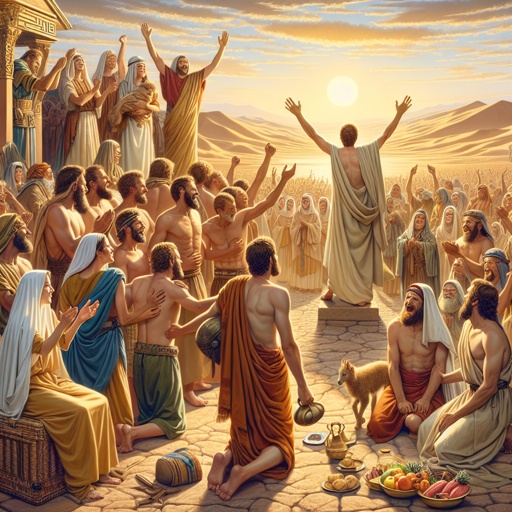
Genesis 14:16 And he brought back all the goods, and also brought again his brother Lot, and his goods, and the women also, and the people.

Genesis 16:3

Genesis 16:2

Genesis 16:6

Genesis 1:16

Genesis 15:16

Genesis 16:8

Genesis 16:12

Genesis 25-16

Genesis 16:1

Genesis 18-16

Genesis 16:11

Genesis 3:16

Genesis 17-16

Genesis 16:4

Genesis 16:7

Genesis 23-16

Genesis 16:9

Genesis 16:5

Genesis 20-16

Genesis 28-16

Genesis 22-16

Genesis 16:15

Genesis 16:10

Genesis 16:3