What does Genesis 16:13 mean?
"And she called the name of the LORD that spake unto her, Thou God seest me: for she said, Have I also here looked after him that seeth me?" - Genesis 16:13
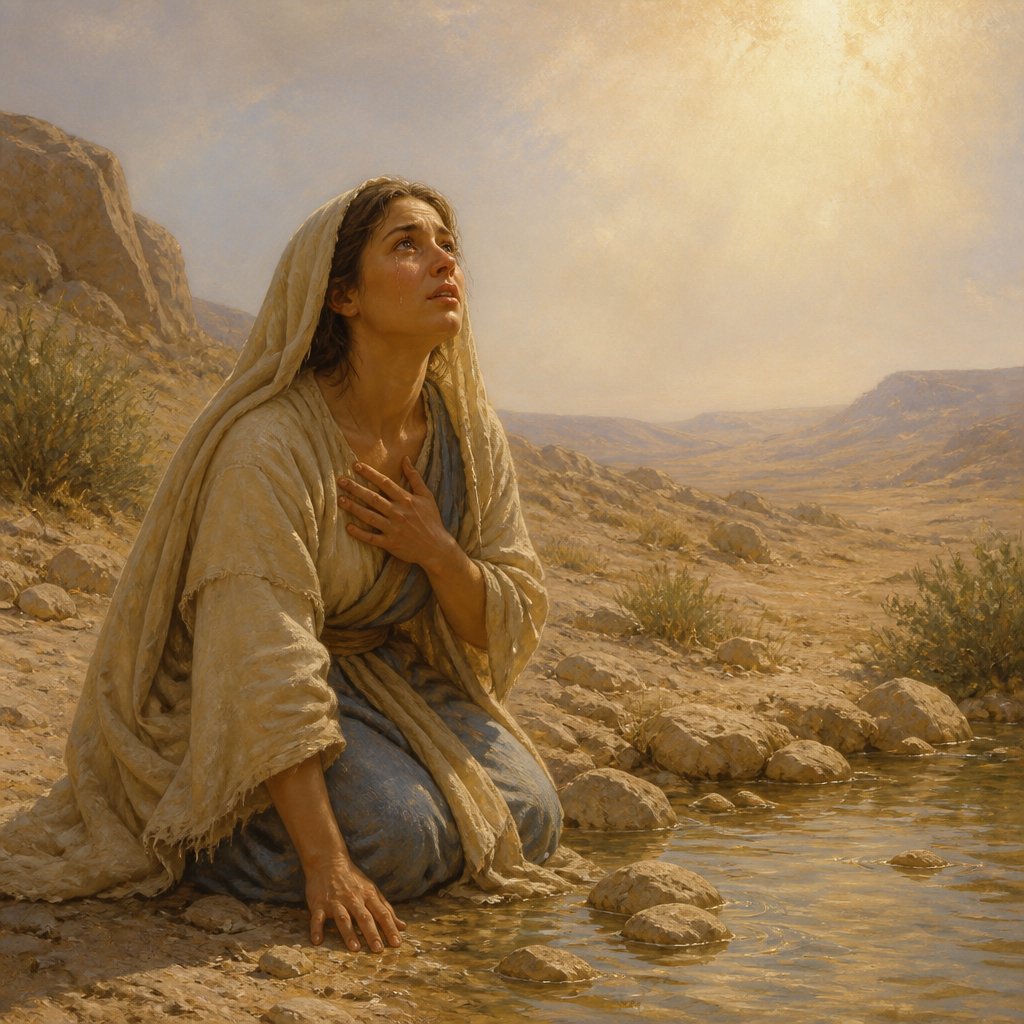
Genesis 16:13 (KJV) states, "And she called the name of the Lord that spake unto her, Thou God seest me: for she said, Have I also here looked after him that seeth me?" This verse comes from the story of Hagar, an Egyptian servant who was mistreated by her mistress Sarai, and who fled into the wilderness after becoming pregnant with Abram's child. In this verse, Hagar has a powerful encounter with God, who speaks to her and reassures her of his presence and care for her.
The context of this verse is essential to understanding its significance. Hagar was a young, vulnerable woman who found herself in a difficult and lonely situation. She was mistreated by her mistress, and she had no one to turn to for help or support. Fleeing into the wilderness, she must have felt abandoned and afraid. It is in this moment of despair that God meets her and speaks to her, calling her by name and assuring her that he sees her and cares for her. This encounter is a powerful demonstration of God's compassion and concern for the marginalized and oppressed.
One of the central themes of this verse is the idea of divine providence and care. Hagar's experience in the wilderness may have led her to feel abandoned and forgotten, but God's appearance to her demonstrates that he is always present and attentive to the needs of his people. The name that Hagar gives to God in this verse, "Thou God seest me," reflects her recognition of God's constant surveillance and concern for her well-being. This theme of God's attentiveness and care for the marginalized is a recurring theme throughout the Bible, and it is particularly poignant in this story of a young woman who felt invisible and forgotten.
Another important theme in this verse is the idea of God's ability to see and understand our innermost struggles and fears. Hagar's question, "Have I also here looked after him that seeth me?" reflects her astonishment that God would take notice of her in her distress. This theme of God's omniscience and understanding is echoed in many other passages of the Bible, such as Psalm 139, which speaks of God's intimate knowledge of us and his presence with us at all times. Hagar's experience in the wilderness serves as a powerful reminder that God sees us in our moments of despair and is always ready to meet us with compassion and understanding.
Symbolism also plays a significant role in this verse. Hagar's naming of God as "Thou God seest me" carries deep symbolic weight, representing her acknowledgment of God's watchful and caring presence in her life. This name serves as a reminder to all believers of God's constant attention to their lives, even in their darkest moments. Hagar's encounter with God in the wilderness can also be seen as a symbol of hope and reassurance for those who feel marginalized and forgotten. It represents the idea that God is always ready to meet us in our moments of need and to offer us comfort and guidance.
In conclusion, Genesis 16:13 is a powerful and meaningful verse that speaks to the themes of divine providence, God's attentive care for the marginalized, and his understanding of our inner struggles. Hagar's encounter with God in the wilderness serves as a poignant reminder of God's presence and compassion in our lives, even in our most desperate moments. This verse is a source of comfort and hope for believers, reminding them that God sees them and is always ready to meet them with understanding and love.
Have questions about Genesis 16:13?
Dive deeper into this scripture with Bible Chat — an AI-powered tool for exploring God's Word through conversation. Ask questions, get context, and grow in your understanding of the Bible.
Get Our Apps


Genesis 16:13 Artwork

Genesis 16:13

Genesis 16:13 - "And she called the name of the LORD that spake unto her, Thou God seest me: for she said, Have I also here looked after him that seeth me?"
"And she called the name of the LORD that spake unto her, Thou God seest me: for she said, Have I also here looked after him that seeth me?" - Genesis 16:13

Genesis 13:16 - "And I will make thy seed as the dust of the earth: so that if a man can number the dust of the earth, then shall thy seed also be numbered."

Genesis 16:16

Genesis 13:16 And I will make thy seed as the dust of the earth: so that if a man can number the dust of the earth, then shall thy seed also be numbered.

Genesis 16:3

Genesis 16:14

Genesis 16:2

Genesis 16:6

Genesis 1:16

Genesis 15:16

Genesis 16:8

Genesis 16:12

Genesis 25-16

Genesis 16:1

Genesis 18-16

Genesis 16:11

Genesis 3:16

Genesis 17-16

Genesis 16:4

Genesis 16:7

Genesis 23-16

Genesis 16:9

Genesis 16:5

Genesis 20-16

Genesis 28-16

Genesis 22-16

Genesis 16:15

Genesis 16:10