What does Genesis 15:18 mean?
"In the same day the LORD made a covenant with Abram, saying, Unto thy seed have I given this land, from the river of Egypt unto the great river, the river Euphrates:" - Genesis 15:18
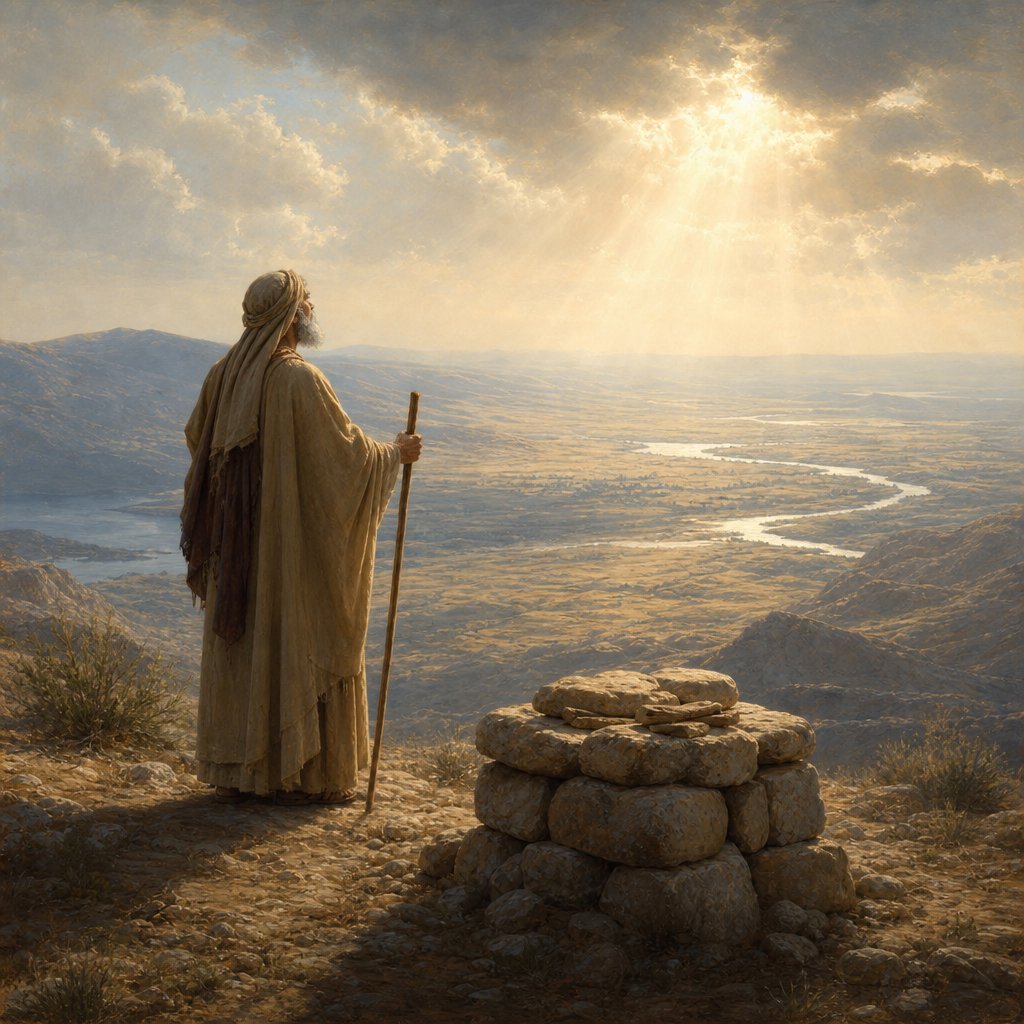
Genesis 15:18 in the KJV reads, “In the same day the LORD made a covenant with Abram, saying, Unto thy seed have I given this land, from the river of Egypt unto the great river, the river Euphrates.” Its meaning is best grasped by listening to the verse as the climax of a larger moment in which God not only speaks a promise to Abram but binds Himself to it by covenant. The verse does not stand alone as a bare land grant; it gathers up the chapter’s questions about inheritance, Abram’s faith, God’s righteousness, and the solemn way Scripture depicts the LORD’s pledged faithfulness.
The immediate context is Abram’s fear and uncertainty about the future. Earlier in the chapter Abram has no child, and he asks how God’s promise can truly stand: “Lord GOD, whereby shall I know that I shall inherit it?” The LORD answers with more than reassurance; He gives a covenantal sign. Abram is told to take specific animals, divide them, and lay the pieces opposite each other. As the day progresses and darkness falls, Abram is moved into a “deep sleep,” and “an horror of great darkness fell upon him.” In that darkness the LORD speaks plainly about what will come: Abram’s seed will be “a stranger in a land that is not theirs,” will be afflicted, and afterward will come out “with great substance.” Only then does the narrative reach the covenant act itself: “a smoking furnace, and a burning lamp” pass between those pieces. Genesis 15:18 is then stated as the covenant’s formal declaration. It is “in the same day,” meaning in that same solemn covenant scene, that the LORD makes the covenant and specifies its content.
The central theme in Genesis 15:18 is covenant, and the verse emphasizes that the covenant is God’s doing. The wording is striking: “the LORD made a covenant with Abram” and “Unto thy seed have I given this land.” The land is spoken of as already given, even though Abram does not yet possess it in his lifetime. This way of speaking underscores the certainty of the LORD’s promise: what God binds Himself to do is treated as settled. The covenant is not presented as a mutual contract between equals but as a divine pledge in which the LORD, who cannot lie, guarantees His own word. This fits the earlier statement in the chapter that “he believed in the LORD; and he counted it to him for righteousness.” Abram’s faith is met by God’s covenant commitment; righteousness is reckoned to Abram, and the future is secured by the LORD’s sworn promise.
The phrase “Unto thy seed” carries the theme of inheritance forward. Abram’s immediate crisis is that he has no heir; the LORD answers that one “that shall come forth out of thine own bowels shall be thine heir,” and he is shown the stars: “So shall thy seed be.” Genesis 15:18 ties that promise of descendants to a concrete inheritance, “this land.” The promise is not merely spiritual comfort; it concerns real history, real people, and a real place. Yet the verse also reminds the reader that the fulfillment belongs to “thy seed,” not necessarily to Abram personally in the present moment, which invites patience and trust across time.
The specified boundaries, “from the river of Egypt unto the great river, the river Euphrates,” give the promise a majestic scope. In Scripture, rivers often mark borders, life, and stability, and here they function as divinely named limits to the gift. By naming “the river of Egypt” and “the river Euphrates,” the verse stretches the imagination from one great edge of the known world to another, portraying the land promise as expansive, ordered, and unmistakably defined by God. It is also significant that the Euphrates is called “the great river,” which heightens the grandeur of what is being promised. The LORD is not promising a vague blessing but a specific inheritance with recognizable extremities.
The symbolism of the covenant ceremony that immediately precedes the verse sheds further light on its meaning. Abram prepares the pieces, but the narrative’s decisive moment is not Abram walking between them; rather, the “smoking furnace, and a burning lamp” pass between the pieces. In the ancient world, to pass between divided pieces was a way of solemnly enacting a vow, as though saying that the one who breaks the covenant deserves the fate of the slain animals. In Genesis 15, the LORD alone is represented as passing through. The imagery of smoke and fire is often associated in Scripture with divine presence and holiness, and here it conveys that God Himself is the covenant-maker and covenant-keeper. The verse that follows, Genesis 15:18, therefore carries the weight of that enacted oath: the gift of the land rests ultimately on God’s pledged faithfulness rather than on Abram’s ability to secure it.
Darkness and delay are also woven into the meaning. The covenant is made as the sun goes down, amid “horror of great darkness,” and the LORD foretells long affliction before possession. This places Genesis 15:18 within a theology of promise that includes suffering and waiting. The land is “given,” but it is not immediately enjoyed; the path to fulfillment passes through “four hundred years” of sojourning and oppression, and then a divinely orchestrated deliverance. The promise of land is therefore not a denial of hardship but a framework that makes hardship meaningful within God’s plan. It also makes clear that the covenant is larger than one generation; it spans centuries, indicating that God’s purposes are steady even when human circumstances are unstable.
Another important theme is divine sovereignty in history and judgment. The LORD speaks in the same chapter of judging the nation that afflicts Abram’s seed: “that nation, whom they shall serve, will I judge.” He also speaks of timing: “in the fourth generation they shall come hither again.” Genesis 15:18, as the covenant pronouncement, sits beside these declarations of God’s control over nations, eras, and outcomes. The land promise is not an isolated benevolence but part of a moral governance in which God judges oppression and keeps His word to those He calls.
The verse also carries the theme of identity and calling. Abram is not promised land merely as private wealth; the land is tied to “thy seed,” a people who will come from him, and it is connected to God’s earlier call of Abram to leave his country. Genesis 15:18 confirms that Abram’s journey is not aimless; it is the beginning of a story in which God establishes a people and gives them a place by covenant. The land becomes a sign that God’s relationship with Abram is real, public, and historical.
In sum, Genesis 15:18 is significant because it records the LORD’s covenantal grant of the land to Abram’s seed, spoken as a settled gift and framed by a solemn covenant ceremony that emphasizes God’s own binding commitment. Its boundaries proclaim the largeness and concreteness of the promise; its context of darkness and prophecy teaches that fulfillment may be delayed but never uncertain; and its symbolism of passing between the pieces declares that God Himself takes responsibility for the covenant’s integrity. Read within Genesis 15, the verse is not simply a statement about territory but a decisive moment in which divine promise becomes covenant, faith is met with pledged faithfulness, and the future of a people is anchored in the LORD’s sworn word.
Have questions about Genesis 15:18?
Dive deeper into this scripture with Bible Chat — an AI-powered tool for exploring God's Word through conversation. Ask questions, get context, and grow in your understanding of the Bible.
Get Our Apps


Genesis 15:18 Artwork
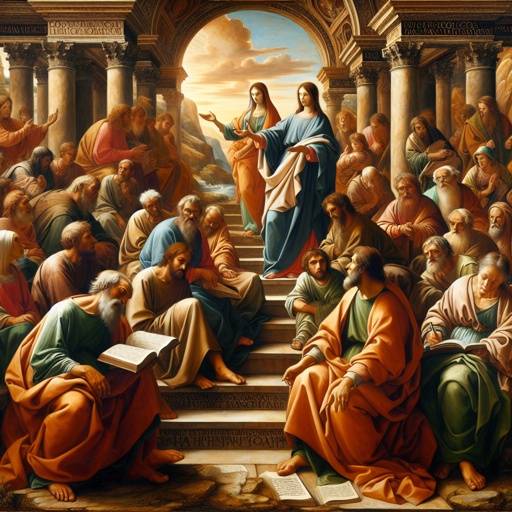
Genesis 15:18
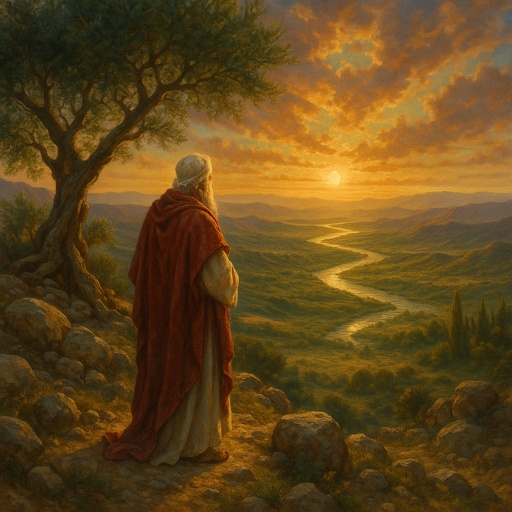
"In the same day the LORD made a covenant with Abram, saying, Unto thy seed have I given this land, from the river of Egypt unto the great river, the river Euphrates:" - Genesis 15:18

Genesis 15:18 - "In the same day the LORD made a covenant with Abram, saying, Unto thy seed have I given this land, from the river of Egypt unto the great river, the river Euphrates:"

"In the same day the LORD made a covenant with Abram, saying, Unto thy seed have I given this land, from the river of Egypt unto the great river, the river Euphrates:" - Genesis 15:18
"In the same day the LORD made a covenant with Abram, saying, Unto thy seed have I given this land, from the river of Egypt unto the great river, the river Euphrates:" - Genesis 15:18

Genesis 18-15

Genesis 18:15 - "Then Sarah denied, saying, I laughed not; for she was afraid. And he said, Nay; but thou didst laugh."
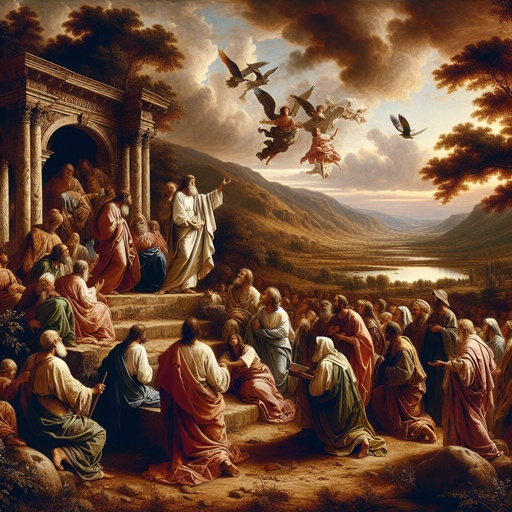
Genesis 18-18

Genesis 15:15
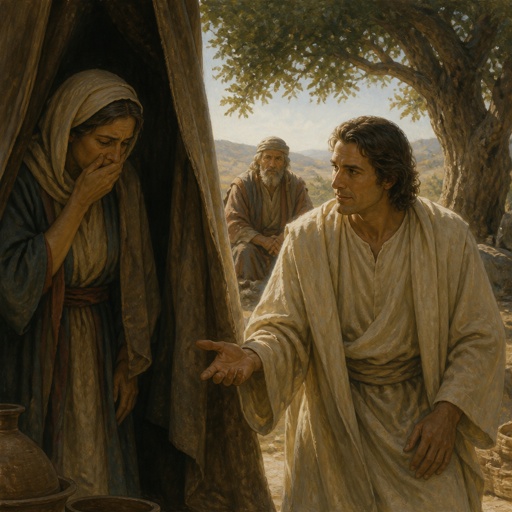
"Then Sarah denied, saying, I laughed not; for she was afraid. And he said, Nay; but thou didst laugh." - Genesis 18:15

Genesis 18-12

Genesis 24-18

Genesis 18-10

Genesis 18-16

Genesis 18:25

Genesis 22-18

Genesis 18-30

Genesis 18-26

Genesis 17-18

Genesis 18-32

Genesis 26:18

Genesis 18-25

Genesis 18-9

Genesis 18-14

Genesis 18-19

Genesis 18-2

Genesis 23-18

Genesis 18-28

Genesis 18-1

Genesis 25-18