What does Genesis 13:16 mean?
"And I will make thy seed as the dust of the earth: so that if a man can number the dust of the earth, then shall thy seed also be numbered." - Genesis 13:16
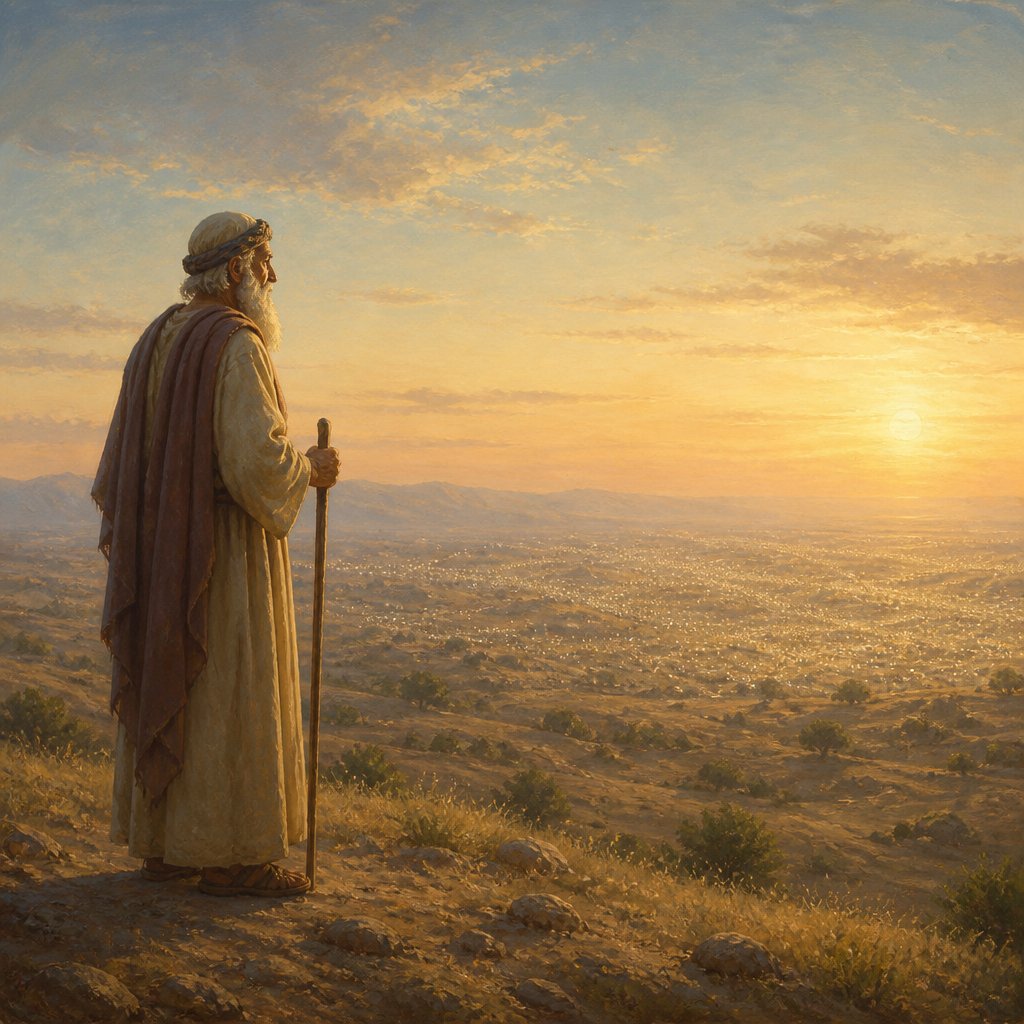
Genesis 13:16 from the King James Version reads, "And I will make thy seed as the dust of the earth: so that if a man can number the dust of the earth, then shall thy seed also be numbered."
This verse comes from the story of Abram (later known as Abraham) and his nephew Lot. In this chapter of Genesis, Abram and Lot decide to part ways due to the limited resources available for their large families and livestock. Abram generously allows Lot to choose the land he wants, and Lot greedily chooses the lush Jordan Valley and leaves Abram with the less desirable land. After Lot's departure, God speaks to Abram and promises to give him and his descendants the land he can see in all directions. This verse is part of God's promise to Abram, declaring that his descendants will be as numerous as the dust of the earth.
The theme of divine promise and blessing is central to this verse and the broader narrative of Abram's journey. God's promise to make Abram's descendants as numerous as the dust of the earth reflects the divine favor and abundance that God bestows upon his chosen people. This promise is a recurring motif in the biblical narrative and reveals God's faithfulness and commitment to fulfilling his covenant with Abram and his descendants.
The context of this verse is crucial for understanding its significance. At this point in the biblical narrative, Abram and his wife Sarai (later known as Sarah) are childless and advanced in age. The prospect of having descendants seems impossible, yet God's promise reaffirms his supernatural ability to bring about the fulfillment of his word. This context adds depth to the verse's meaning, highlighting the miraculous nature of God's promise and his power to bring about the seemingly impossible.
The symbolism of the dust of the earth in this verse holds several layers of meaning. On one level, the dust represents the abundance and innumerable nature of Abram's descendants. It conveys the idea of vast multiplication and growth, emphasizing God's promise to increase Abram's lineage exponentially. Additionally, the dust carries connotations of humility and insignificance, highlighting God's ability to transform the lowliest and most commonplace elements into something extraordinary. This symbolism underscores the transformative power of God's promise and his ability to bring about greatness from the most unexpected circumstances.
Furthermore, the imagery of dust is also evocative of creation, as it is from the dust that God formed the first human, Adam. This connection adds a layer of theological significance to the verse, suggesting that God's promise to Abram is intricately linked to the overarching story of creation and redemption. It points to the divine plan of salvation and restoration, in which Abram's descendants will play a pivotal role.
In a broader theological sense, this verse speaks to the universal scope of God's redemptive plan. The imagery of the dust of the earth encompasses all nations and peoples, indicating that God's promise extends beyond Abram's immediate lineage to encompass the entirety of humanity. This reflects the inclusive nature of God's covenant and his desire to bless all nations through Abram's descendants, ultimately fulfilled in the person of Jesus Christ.
In conclusion, Genesis 13:16 is a powerful declaration of God's promise to Abram and his descendants. It embodies themes of divine blessing, faithfulness, and the miraculous fulfillment of God's word. The context, symbolism, and theological implications of this verse deepen its significance within the broader biblical narrative, highlighting the overarching theme of God's redemptive plan for humanity. As such, this verse serves as a poignant reminder of God's enduring commitment to his people and the boundless nature of his providence.
Have questions about Genesis 13:16?
Dive deeper into this scripture with Bible Chat — an AI-powered tool for exploring God's Word through conversation. Ask questions, get context, and grow in your understanding of the Bible.
Get Our Apps


Genesis 13:16 Artwork

Genesis 13:16 - "And I will make thy seed as the dust of the earth: so that if a man can number the dust of the earth, then shall thy seed also be numbered."
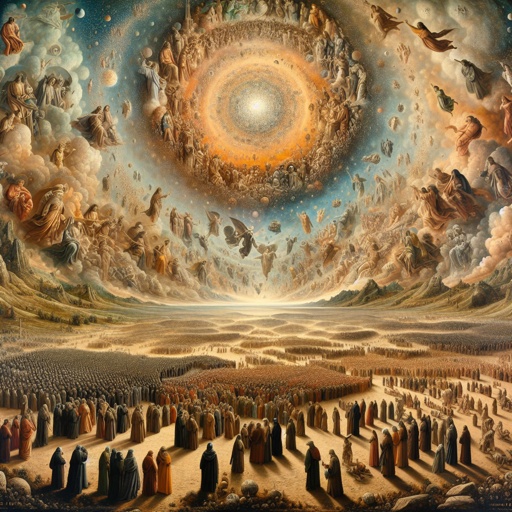
Genesis 13:16 And I will make thy seed as the dust of the earth: so that if a man can number the dust of the earth, then shall thy seed also be numbered.
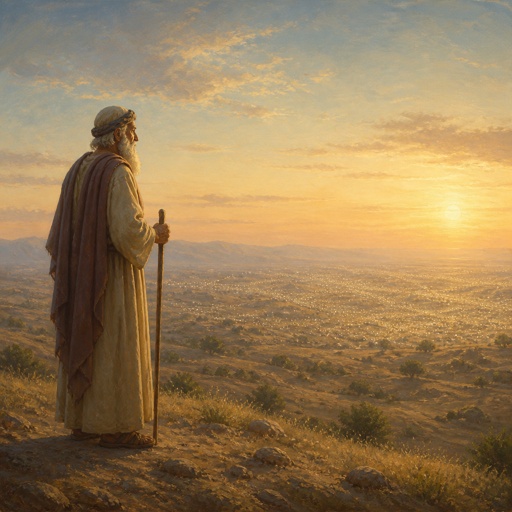
"And I will make thy seed as the dust of the earth: so that if a man can number the dust of the earth, then shall thy seed also be numbered." - Genesis 13:16

Genesis 16:13

Genesis 16:13 - "And she called the name of the LORD that spake unto her, Thou God seest me: for she said, Have I also here looked after him that seeth me?"

Genesis 16:16

Genesis 16:3

Genesis 16:14

Genesis 16:2

Genesis 16:6

Genesis 1:16

Genesis 15:16

Genesis 16:8

Genesis 16:12

Genesis 25-16

Genesis 16:1

Genesis 18-16

Genesis 16:11

Genesis 3:16

Genesis 17-16

Genesis 16:4

Genesis 16:7

Genesis 23-16

Genesis 16:9

Genesis 16:5

Genesis 20-16

Genesis 28-16

Genesis 22-16

Genesis 16:15

Genesis 16:10