What does Genesis 11:30 mean?
"But Sarai was barren; she had no child." - Genesis 11:30
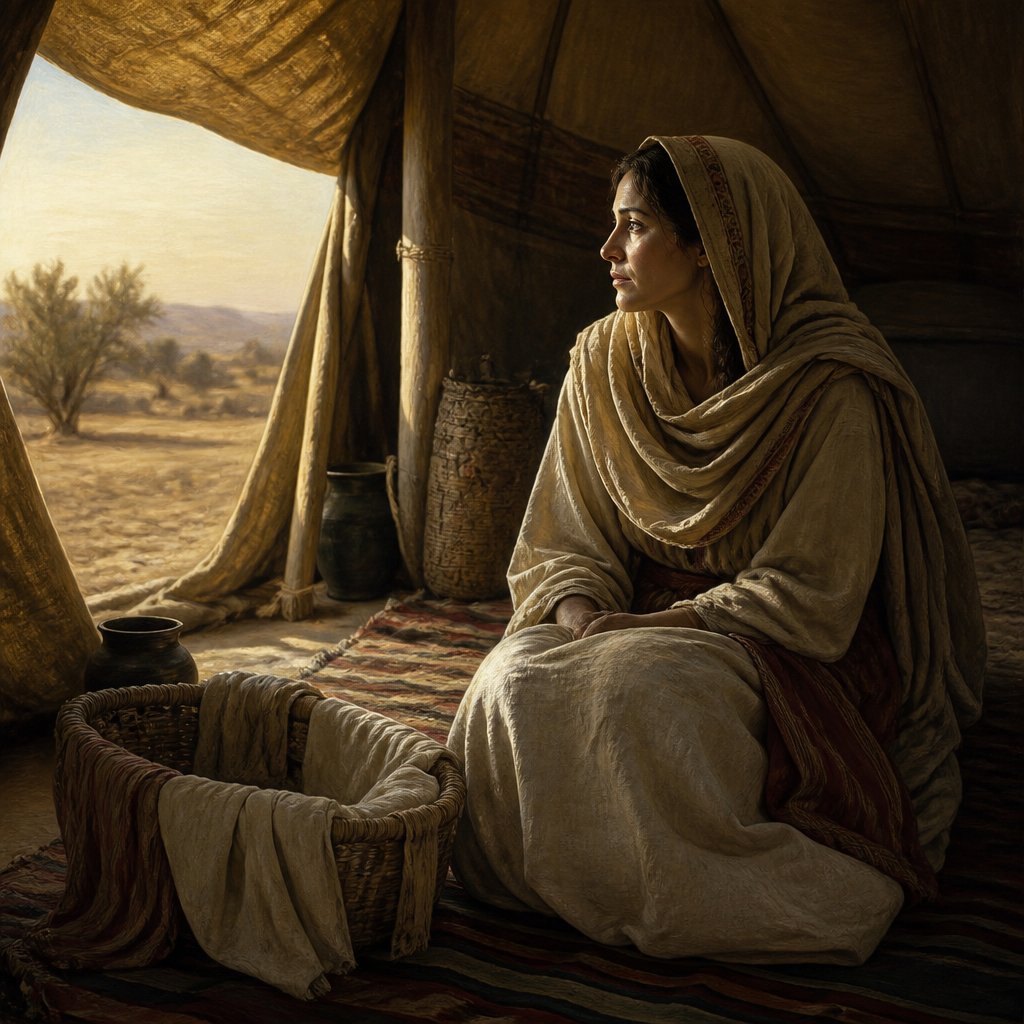
Genesis 11:30 (KJV) reads, "But Sarai was barren; she had no child." This short verse provides the background to one of the most important stories in the Bible: the story of Abraham and Sarah, and the fulfillment of God's promise to provide them with a child. It is a verse that sets the stage for the miraculous birth of Isaac, as an answer to the couple's prayers and a testament to God's faithfulness.
The theme of barrenness and fertility is a central aspect of this verse. In ancient times, the inability to bear children was seen as a cause of great shame and grief, especially for women. It was believed that the ability to produce offspring was a sign of God's favor, and the lack of it was often seen as a sign of divine disfavor. This verse immediately sets up a situation of tension and longing, as it describes Sarai's inability to conceive. This sets the stage for the miraculous intervention of God in the lives of Abraham and Sarah, and the birth of their son Isaac, who will become the father of the nation of Israel.
The context of this verse is important to consider. Sarai and her husband Abraham were living in a time and culture where the emphasis on fertility and procreation was particularly strong. Children were seen as a sign of God's blessing, and the continuation of one's lineage and legacy was of utmost importance. In this cultural context, the fact that Sarai was unable to bear children would have been deeply distressing for her and for Abraham.
The symbolism of this verse speaks to the idea of God's timing and faithfulness. Despite the seemingly impossible circumstances of Sarai's barrenness, God ultimately fulfills his promise to provide them with a child. This narrative sets the stage for the overarching theme of God's faithfulness and sovereignty, and his ability to bring life and blessing out of seemingly hopeless situations. It also serves as a reminder that God's plans often unfold in ways that are beyond human understanding, and that his timing is perfect.
The story of Abraham and Sarah is one of the most significant narratives in the Bible, and it is a foundational story for the nation of Israel. The birth of Isaac, despite the odds, is a testament to God's ability to bring about his purposes in the face of impossibility. It is a story of hope, faith, and trust in God's promises.
In a broader theological context, this verse can also be seen as a precursor to the theme of redemption and restoration that is central to the Christian faith. The birth of Isaac, through whom the promise of a nation is fulfilled, foreshadows the ultimate fulfillment of God's promises in the person of Jesus Christ. This verse can be seen as a reminder that God is able to bring life and flourishing out of barrenness and despair, and that his plans will ultimately be fulfilled.
In conclusion, Genesis 11:30 is a short but powerful verse that sets the stage for one of the most important and enduring stories in the Bible. It speaks to themes of barrenness and fertility, God's faithfulness and timing, and the fulfillment of his promises. It is a reminder of God's ability to bring about new life and blessing in the face of seemingly impossible circumstances, and it sets the stage for the overarching theme of redemption and restoration that runs throughout the biblical narrative.
Have questions about Genesis 11:30?
Dive deeper into this scripture with Bible Chat — an AI-powered tool for exploring God's Word through conversation. Ask questions, get context, and grow in your understanding of the Bible.
Get Our Apps


Genesis 11:30 Artwork

Genesis 11:30 - "But Sarai was barren; she had no child."
"But Sarai was barren; she had no child." - Genesis 11:30

Genesis 30:10-11

Genesis 30:11 - "And Leah said, A troop cometh: and she called his name Gad."
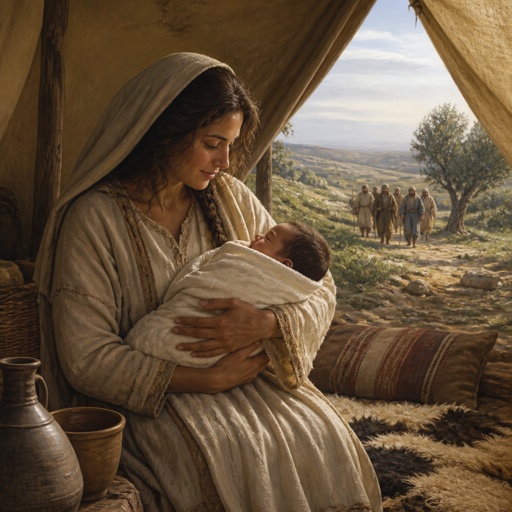
"And Leah said, A troop cometh: and she called his name Gad." - Genesis 30:11

Genesis 19-30

Genesis 24-30

Genesis 18-30

Genesis 21-30

Genesis 29:15-30

Psalm 30:11

Genesis 30:5 - "And Bilhah conceived, and bare Jacob a son."

Genesis 30:10 - "And Zilpah Leah's maid bare Jacob a son."

Genesis 30:19 - "And Leah conceived again, and bare Jacob the sixth son."

Genesis 26:30 - "And he made them a feast, and they did eat and drink."

Genesis 30:12 - "And Zilpah Leah's maid bare Jacob a second son."

Leviticus 11:30 - "And the ferret, and the chameleon, and the lizard, and the snail, and the mole."

Exodus 30:11 - "¶ And the LORD spake unto Moses, saying,"

Genesis 30:28 - "And he said, Appoint me thy wages, and I will give it."

Genesis 30:21 - "And afterwards she bare a daughter, and called her name Dinah."

1 Kings 11:30-31

1 Kings 11:30-31

1 Kings 11:30-31

Matthew 11:30 - "For my yoke is easy, and my burden is light."

Proverbs 30:11 - "There is a generation that curseth their father, and doth not bless their mother."

Genesis 30:34 - "And Laban said, Behold, I would it might be according to thy word."

Genesis 30:22 - "¶ And God remembered Rachel, and God hearkened to her, and opened her womb."

Genesis 30:7 - "And Bilhah Rachel's maid conceived again, and bare Jacob a second son."

Genesis 10:30 - "And their dwelling was from Mesha, as thou goest unto Sephar a mount of the east."

Mark 11:30 - "The baptism of John, was it from heaven, or of men? answer me."