What does Genesis 11:27 mean?
"¶ Now these are the generations of Terah: Terah begat Abram, Nahor, and Haran; and Haran begat Lot." - Genesis 11:27
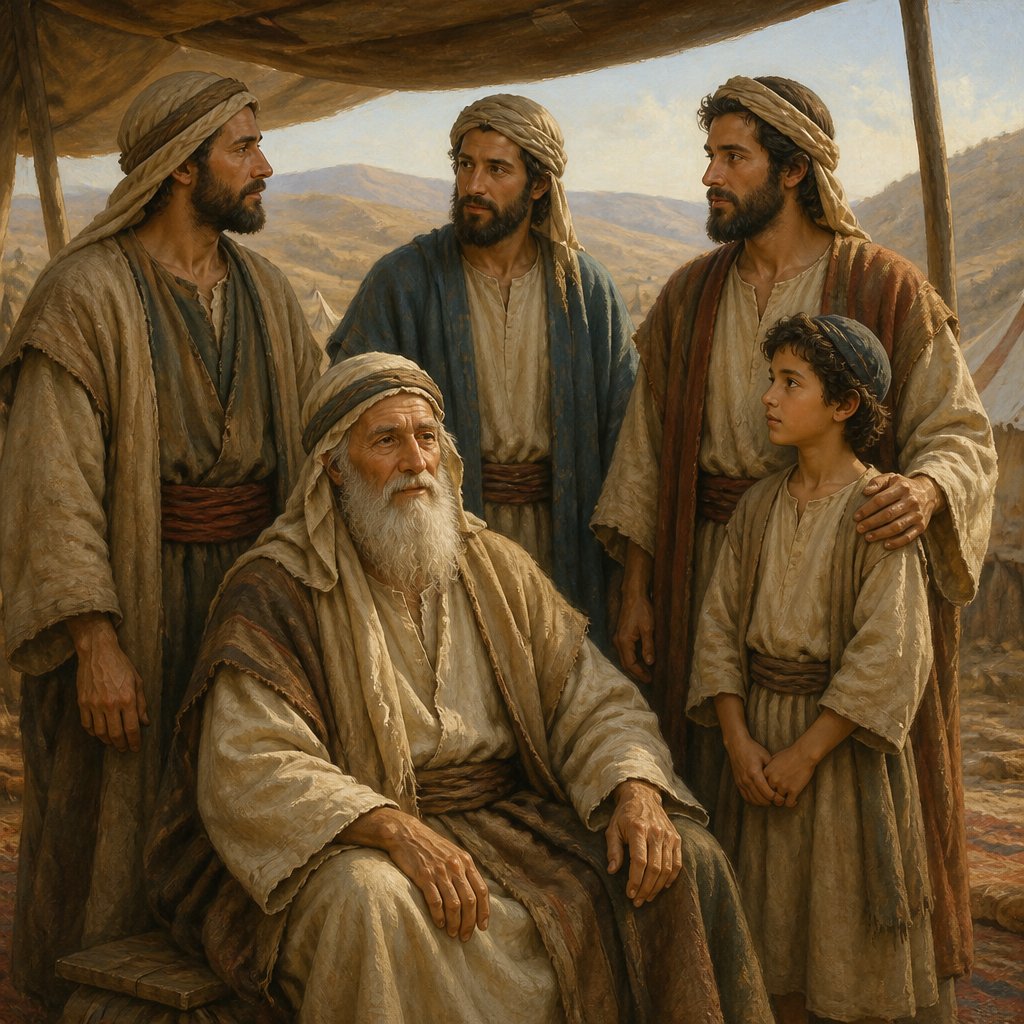
The Bible verse Genesis 11:27 from the King James Version (KJV) reads: "Now these are the generations of Terah: Terah begat Abram, Nahor, and Haran; and Haran begat Lot." This verse is a brief introduction to the family lineage of Terah, who is the father of Abram, later known as Abraham, who is one of the most significant figures in the Bible. This verse not only provides a glimpse into the family history of Abraham but also sets the stage for the unfolding of God's plan for the salvation of mankind.
The context of Genesis 11:27 is important in understanding its significance. The preceding chapters of Genesis describe the genealogy and the events that led to the Tower of Babel, where God confounded the languages of the people and dispersed them over the earth. In the midst of this chaos, the focus shifts to Terah and his descendants, setting the stage for the birth of Abraham and the beginning of the story of God's covenant with His people.
One of the themes that can be drawn from Genesis 11:27 is the idea of lineage and inheritance. In ancient Israelite society, lineage was highly significant, as it determined one's place in the social, religious, and political structures. The fact that Terah begat Abram, Nahor, and Haran indicates the passing on of the family line, as well as the inheritance of responsibilities and blessings. This theme of lineage is integral to the story of Abraham, as his descendants are promised to be numerous and to inherit the land that God has promised to them.
Additionally, the inclusion of Haran begetting Lot in this verse is significant as it introduces another important figure in the biblical narrative. Lot plays a significant role in the story of Sodom and Gomorrah and serves as a key figure in the narratives of Abraham. His inclusion in this verse foreshadows the events that will unfold later in the book of Genesis.
Symbolism can also be drawn from Genesis 11:27. The act of begetting speaks to the idea of continuity and legacy, as a father passes on his name, his values, and his blessings to his children. This symbolic act of begetting can be seen as a reflection of God's own nature, as the Creator who begets and sustains all life. In the broader context of the Bible, the idea of begetting is significant in understanding the relationship between God and His people, as well as the promise of a Messiah who would be begotten of God and bring salvation to humanity.
Finally, Genesis 11:27 sets the stage for the larger narrative of God's covenant with Abraham and his descendants. The inclusion of Terah and his descendants in the genealogy of Abraham demonstrates the continuity of God's plan throughout the generations. It also emphasizes the sovereignty of God in bringing about His purposes through human history. This verse serves as a reminder that God's promises are fulfilled in the lives of individuals and families, as well as in the broader scope of salvation history.
In conclusion, Genesis 11:27 may appear to be a simple genealogical verse, but its significance is far-reaching. It sets the stage for the unfolding of God's plan of redemption and highlights the significance of lineage, inheritance, and the continuity of God's promises throughout the generations. It also serves as a reminder of the role of individuals and families in the larger narrative of God's covenant with His people. This verse is a testament to the faithfulness of God in fulfilling His promises and the importance of understanding the biblical narrative in its broader context.
Have questions about Genesis 11:27?
Dive deeper into this scripture with Bible Chat — an AI-powered tool for exploring God's Word through conversation. Ask questions, get context, and grow in your understanding of the Bible.
Get Our Apps


Genesis 11:27 Artwork

Genesis 11:27 - "¶ Now these are the generations of Terah: Terah begat Abram, Nahor, and Haran; and Haran begat Lot."
"¶ Now these are the generations of Terah: Terah begat Abram, Nahor, and Haran; and Haran begat Lot." - Genesis 11:27

Genesis 27:11 - "And Jacob said to Rebekah his mother, Behold, Esau my brother is a hairy man, and I am a smooth man:"

Genesis 27:11 KJV And Jacob said to Rebekah his mother, Behold, Esau my brother is a hairy man, and I am a smooth man:

Genesis 27:5

Genesis 27:32

Genesis 25-27

Genesis 17-27

Genesis 18-27

Genesis 24-27

Genesis 21-27

Genesis 19-27

Genesis 10:27 - "And Hadoram, and Uzal, and Diklah,"

Genesis 27:10 KJV

Genesis 27:18-19

Genesis 27:1-3

Genesis 36:27 - "The children of Ezer are these; Bilhan, and Zaavan, and Akan."

"And Hadoram, and Uzal, and Diklah," - Genesis 10:27

1 Chronicles 11:27 - "Shammoth the Harorite, Helez the Pelonite,"

Nehemiah 11:27 - "And at Hazar-shual, and at Beer-sheba, and in the villages thereof,"

Deuteronomy 27:11 - "¶ And Moses charged the people the same day, saying,"

genesis 8:11

Genesis 8:11

Genesis 11:5

Genesis 15:11

genesis 8:11

genesis 8:11

Genesis 8:11

genesis 8:11

Genesis 11:5