What does Galatians 4:26 mean?
"But Jerusalem which is above is free, which is the mother of us all." - Galatians 4:26
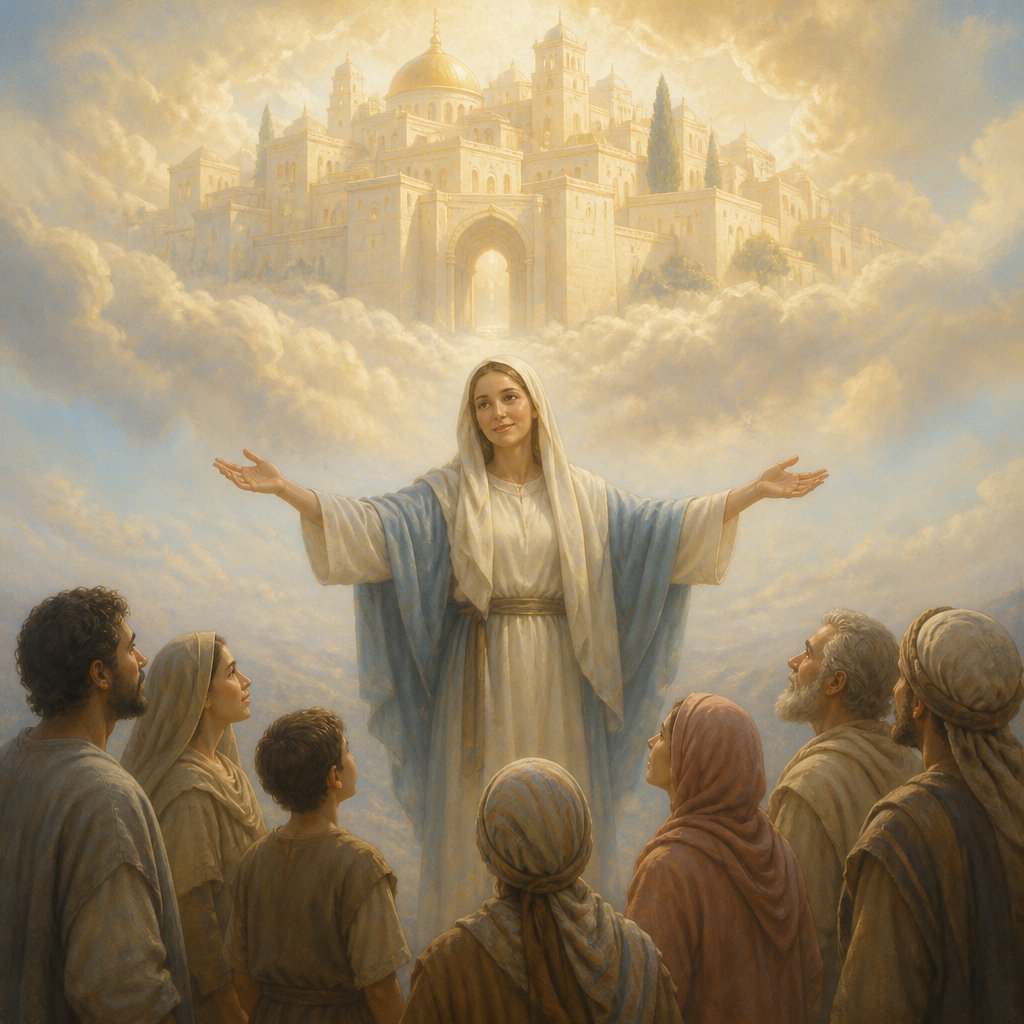
Galatians 4:26 in the King James Version of the Bible reads, "But Jerusalem which is above is free, which is the mother of us all."
This verse is part of a larger passage in the book of Galatians, in which the apostle Paul is addressing the Galatian church. In this particular section, Paul is using an allegory of two women, Hagar and Sarah, to make a point about the nature of freedom and slavery in the context of the law and the promise of God.
The verse "But Jerusalem which is above is free, which is the mother of us all" is the conclusion of Paul's allegory. In this allegory, Hagar represents the law and slavery, while Sarah represents the promise and freedom. Paul then contrasts the earthly Jerusalem, associated with slavery and the law, with the heavenly Jerusalem, associated with freedom and the promise.
The phrase "Jerusalem which is above" is symbolic of the heavenly city, the dwelling place of God, and the ultimate destination of those who belong to Christ. This heavenly Jerusalem is associated with freedom, as opposed to the earthly Jerusalem, which is bound by the law and its demands. This heavenly Jerusalem is described as the "mother of us all," suggesting that it is the source of our spiritual birth and inheritance.
The theme of freedom is central to this verse, as it contrasts the bondage of the law with the freedom that comes from faith in Christ. Throughout the book of Galatians, Paul emphasizes the freedom that comes from being justified by faith, rather than by obeying the law. This verse reinforces that theme, highlighting the heavenly Jerusalem as the source of freedom for all believers.
The context of this verse is important for understanding its meaning. In the larger passage, Paul is addressing the Galatian believers who have been influenced by Judaizers, who were teaching that Gentile believers needed to obey the Jewish law in order to be true followers of Christ. Paul vehemently opposes this teaching, arguing that it is faith in Christ, not obedience to the law, that brings true freedom and sonship to God. The allegory of Hagar and Sarah serves as a powerful illustration of this point, culminating in the declaration of the freedom of the heavenly Jerusalem.
The symbolism in this verse is rich and layered. Jerusalem, as the city of God, represents the dwelling place of God and the ultimate destination of believers. The contrast between the earthly and heavenly Jerusalems reflects the tension between bondage and freedom, law and grace. The idea of Jerusalem as a mother is also significant, as it conveys a sense of nurturing, protection, and inheritance for believers.
In conclusion, Galatians 4:26 in the King James Version of the Bible is a powerful declaration of the freedom that comes from faith in Christ. Through the allegory of Hagar and Sarah, Paul emphasizes the contrast between slavery and freedom, the law and the promise. The heavenly Jerusalem, as the mother of us all, symbolizes the source of our spiritual birth and inheritance, as well as the ultimate destination of believers. This verse serves as a reminder of the central theme of freedom in the Christian faith, and the importance of placing our trust in the promise of God rather than in our own efforts to obey the law.
Have questions about Galatians 4:26?
Dive deeper into this scripture with Bible Chat — an AI-powered tool for exploring God's Word through conversation. Ask questions, get context, and grow in your understanding of the Bible.
Get Our Apps


Galatians 4:26 Artwork

Galatians 4:26 - "But Jerusalem which is above is free, which is the mother of us all."
"But Jerusalem which is above is free, which is the mother of us all." - Galatians 4:26

Galatians 5:16-26

galatians 4:4

Galatians 3:26 - "For ye are all the children of God by faith in Christ Jesus."

Galatians 6:4

Galatians 6:4

Galatians 6:4

Galatians 6:4

Galatians 6:4

Galatians 6:4

Galatians 4:13

Galatians 4:24-27

Galatians 6:4

Galatians 4:13

Galatians 6:4

Galatians 6:4

Galatians 4:13

Galatians 5:26 - "Let us not be desirous of vain glory, provoking one another, envying one another."

Galatians 6: 4-5

Galatians 6: 4-5

Galatians 6: 4-5
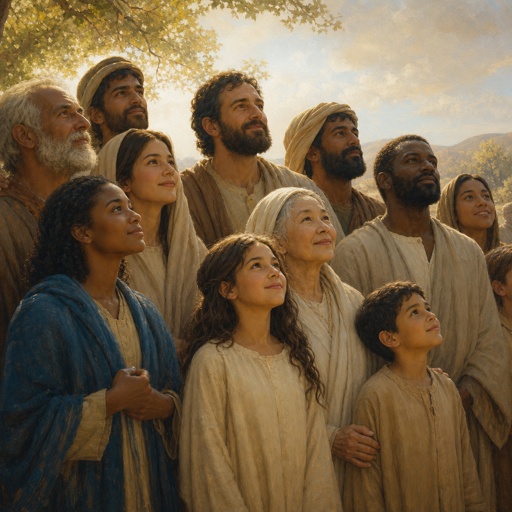
"For ye are all the children of God by faith in Christ Jesus." - Galatians 3:26

Galatians 4:28 - "Now we, brethren, as Isaac was, are the children of promise."

Galatians 4:31 - "So then, brethren, we are not children of the bondwoman, but of the free."

Galatians 4:10 - "Ye observe days, and months, and times, and years."

Galatians 4:4 - "But when the fulness of the time was come, God sent forth his Son, made of a woman, made under the law,"

Galatians 4:2 - "But is under tutors and governors until the time appointed of the father."

Galatians 4:22 - "For it is written, that Abraham had two sons, the one by a bondmaid, the other by a freewoman."

Galatians 4:5 - "To redeem them that were under the law, that we might receive the adoption of sons."